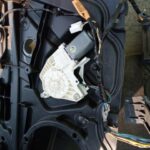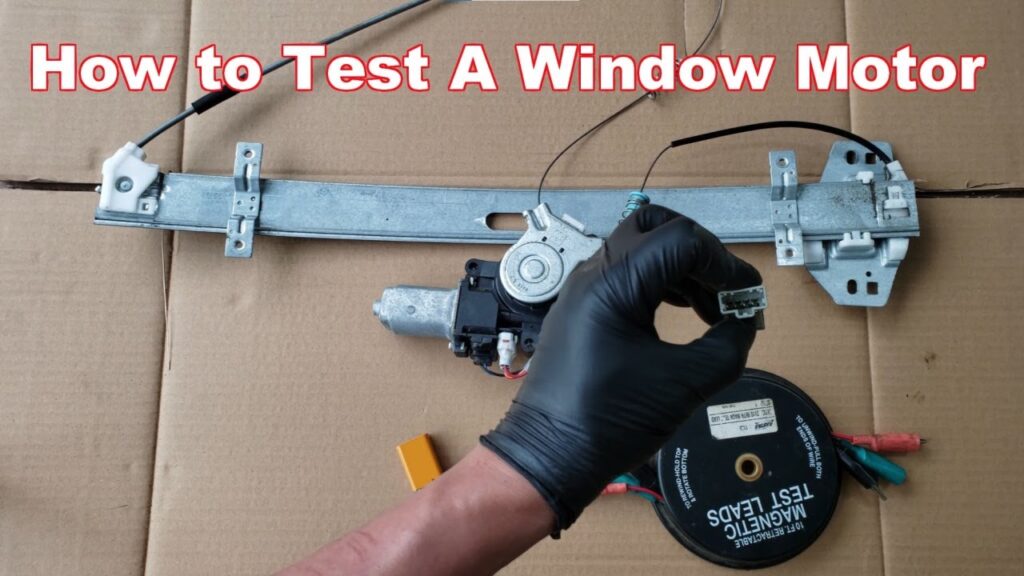

A window motor supplies movement; the regulator transfers that movement to the glass. A stationary window can result from either one, but also from the switch, wiring, control system or a binding glass run. Sound and movement help choose the next check; they do not provide a complete diagnosis.
What a motor-related symptom can look like
Record whether one window or several are affected, whether both switches work, and whether the behavior changes with direction. Test only briefly when the glass is stable and no one is near the opening.
- No movement and no sound: check whether the window is enabled and whether power and commands reach the system before blaming the motor.
- A hum or click without movement: a stalled drive or mechanical obstruction is possible; stop repeatedly operating the switch.
- Slow movement: binding, supply problems and motor condition all need consideration. Slowness alone does not select a part.
- Stops or reverses partway: note the position and whether a one-touch or anti-pinch function is involved; use the applicable diagnostic procedure.
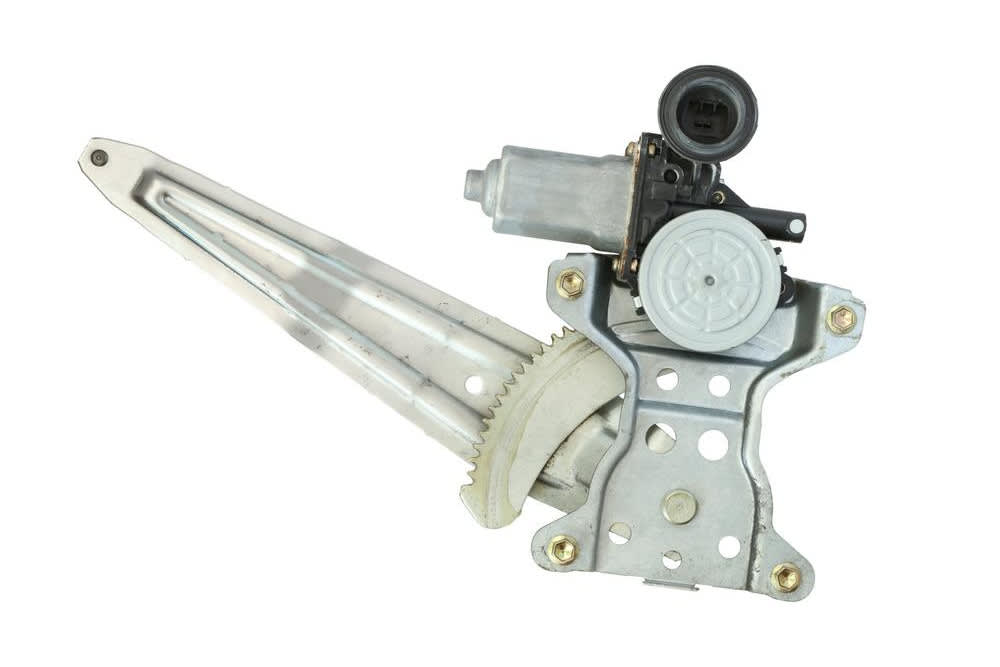
Credit: www.yourmechanic.com
What points toward the lifting mechanism
The glass position is useful evidence. A tilted, dropped or unsupported window needs securing by an appropriate repairer, not repeated switch operation or forcing it by hand.
- Glass drops into the door: the support, attachment or regulator mechanism requires inspection.
- Glass rises crookedly: investigate attachment and guidance as well as the drive.
- Grinding or cable noise: record the location, then stop operation to avoid worsening damage.
- Uneven movement: check the mechanism and glass run rather than assuming a motor will overcome the resistance.
Check controls before ordering parts
Begin with the owner-accessible functions and the manual. Door disassembly and electrical testing need the relevant service information, particularly where airbags or control electronics are present.
- Confirm the ignition or retained-power condition required for window operation.
- Check the window-lock function where fitted and compare the permitted switches.
- Record whether the same window responds differently to the driver and local switch.
- If several windows fail together, investigate shared power or control before ordering several motors.
What workshop testing should distinguish
A technician should establish whether the motor receives the appropriate command and supply, and whether the lifting mechanism and glass path move correctly under the prescribed checks. A silent motor is not proof of failure when supply has not been established.
- Identify the exact door and installed motor/regulator arrangement.
- Inspect attachments, guides and mechanism damage with the glass safely supported.
- Use the correct electrical procedure; do not apply battery power to unknown smart-motor terminals.
- Determine whether the failed part is supplied separately or as an assembly, and what initialization is required afterward.

Credit: m.youtube.com
Why replacement scope varies
Dorman: regulator and motor assemblies describes assemblies that can integrate the regulator with a smart motor. That is why “motor or regulator” is not always a choice between two separately replaceable products. Match the diagnosis and part number to the specific door and vehicle.
- Ask which finding confirms the failed component rather than relying only on the sound heard at the switch.
- Ask whether the glass run or another obstruction contributed to the failure.
- Ask whether one-touch operation, anti-pinch functions and water-barrier sealing need verification after repair.
Check the complete result
A completed repair should restore smooth operation and the relevant safety functions without loose glass or new leakage. If damp carpet follows door work, report the timing; our footwell water-leak guide explains why the entry path needs tracing. Do not accept a stronger motor as the answer to an unresolved mechanical bind.


Automotive reference information. Confirm specifications in the manual for your exact vehicle. Original replacement guides link to their research sources. About us