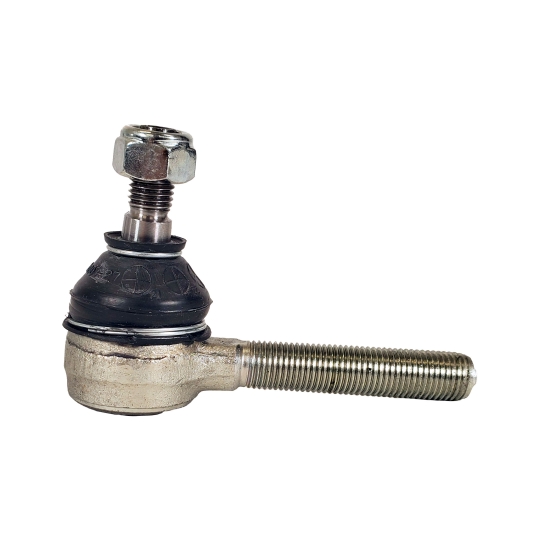

OCAP tie rod ends can be evaluated as replacement candidates, but the useful question is whether the exact part is correct and supported for your vehicle. Involvement in original-equipment manufacturing does not establish that every aftermarket number is identical to the original part on your car.
What the manufacturer information establishes
OCAP says it designs and produces fixed and adjustable tie rods and related steering connections. That establishes involvement in the product category, not a vehicle-specific durability comparison or the original supplier for every model.

Credit: www.ebay.com
Treat broader quality statements as manufacturer claims. If a seller calls an OCAP part identical to factory equipment, request the exact interchange or application documentation. A general OE supplier description cannot prove that equivalence.
Confirm the number, not the photograph
Provide the VIN and relevant configuration. Confirm inner or outer location, side and whether the listing covers a joint or assembly. Ask about production-date splits or steering-system options. Similar-looking ends may differ at threads, taper or adjustment range.
Request the OCAP number on the invoice and compare it with the received identification. If the listing uses a generic photo, obtain the actual specification before buying. Our tie rod fitment checklist explains why appearance is insufficient.

Credit: www.jbugs.com
Choose support you can use
Ask what retaining hardware is included and where to find installation and lubrication instructions for that part. Do not assume it is greaseable because another brand’s replacement has a fitting. A sealed design is not evidence of a missing component when that is its intended construction.
Clarify the return route for a wrong application and the process for a later defect claim. Warranty arrangements can depend on seller and market. Obtain the applicable terms instead of borrowing a promise from an unrelated listing.
Compare installed value
Request complete quotes with the same diagnosed repair scope, including labor, required hardware and alignment. A lower part price may be useful, but should not come with unverified fitment or unclear support. A higher price also needs a reason beyond a claimed OE association.
For an older vehicle, availability can make a documented aftermarket option practical. For a rare configuration, a part with clearer application confirmation may avoid a stalled repair. Those are purchasing considerations, not evidence that one brand wears faster than another.
Inspect and verify the repair
Before fitting, check for damaged boots, threads and packaging discrepancies. Resolve unexplained differences rather than modifying a steering part to fit. Use the applicable service procedure and complete alignment checks when replacement affects adjustment.

Credit: www.ssaircooled.com
This guide reports no independent OCAP endurance test or brand-wide failure rate. A defensible choice is a traceable, correctly specified part with usable support. If steering remains loose afterward, seek a diagnosis of remaining play rather than treating the brand name as the explanation.


Automotive reference information. Confirm specifications in the manual for your exact vehicle. Original replacement guides link to their research sources. About us


