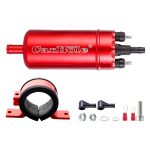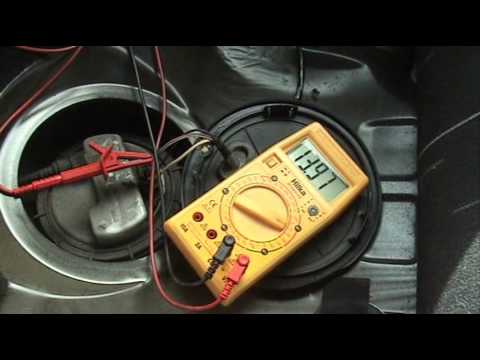

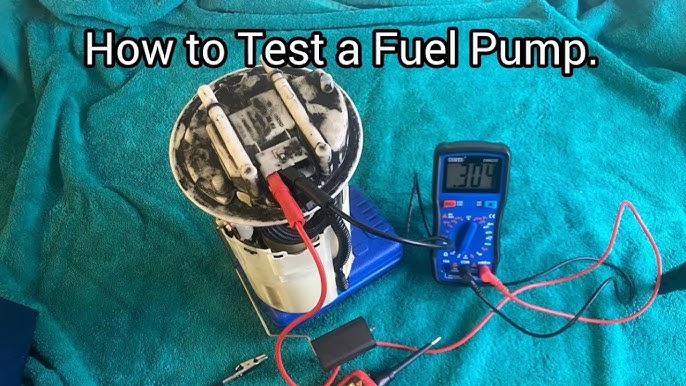
A multimeter can help assess a fuel pump's electrical supply and ground circuit. It cannot directly measure fuel pressure, volume or the condition of every internal motor component. A plausible voltage reading is therefore not proof that the pump delivers the required fuel.
Before testing, identify the exact vehicle, circuit and pump type. A conventional electric supply pump, a controlled brushless module and an engine-driven high-pressure pump do not share one universal electrical procedure.
If fuel is leaking or vapors are present, stop and arrange professional assessment. Do not open the tank, loosen a fuel line or create sparks to make an electrical measurement. The discussion below is a guide to interpreting a proper test, not a wiring diagram for your car.
Information needed before choosing the meter test
Obtain the applicable circuit diagram, connector identification and test conditions. Know whether the pump is being commanded on and how long that command lasts. Without that context, a zero reading could simply mean the system was not supposed to be operating at that moment.
Use suitable probes and a meter rated for the circuit, with leads in the correct sockets and the correct measurement mode. Do not pierce insulation or bridge connector terminals as an improvised shortcut. If access requires working beside exposed fuel, use a qualified workshop.

Credit: www.tomorrowstechnician.com
Identify the circuit you are assessing
The pump assembly may include a level sender, control electronics and several connections. A resistance reading across an unidentified pair of terminals may be measuring the wrong component. Match the connector to the wiring information before interpreting any number.
Check whether the service procedure allows an accessible test point or breakout connection. Avoid unplugging or back-probing a connector simply because it is physically close to the tank. A damaged terminal can create a new intermittent fault.
Set up the test around a question
Useful questions include: Is the pump being commanded? Does supply reach the circuit under the specified conditions? Is voltage being lost in the supply or return path? What delivery evidence remains to be collected? Each question needs its own measurement setup.
Do not disconnect the battery automatically before every check: some tests require an operating circuit, while resistance checks require an isolated, de-energized one. Follow the specific test procedure rather than combining incompatible instructions from different checks.
What a voltage reading can establish
Voltage at an unloaded connector can look normal despite a poor connection that fails when current flows. Where the service procedure calls for it, loaded voltage-drop testing helps assess the supply and ground paths. There is no universal acceptable drop specified here for every pump circuit.
A pulse-width-controlled supply can also produce a meter average that is easy to misread. Compare the meter's capabilities and reading with the control strategy. Do not condemn a pump because its displayed voltage differs from a simple battery-voltage expectation.
Why resistance alone is weak evidence
Measure resistance only with the circuit safely isolated as instructed. Never use the ohms setting on an energized circuit. Even a valid resistance measurement answers an electrical question; it does not show that the pump can maintain pressure and volume during the complaint.
A low number is not automatically good, and a high number is not automatically a failed pump. The component type, test points, temperature and specified range matter. If the service information provides no relevant resistance test, do not invent one from a generic online chart.

Credit: www.wikihow.com
Current measurement needs different precautions
Do not place a meter set to current directly across a power supply or battery. That can create a short circuit. Pump current testing requires the appropriate setup and rating; a suitable current clamp or specialist equipment may be the correct method.
Delphi: fuel pump scope testing describes waveform analysis for intermittent motor faults. A multimeter average cannot show every brief event that a scope can capture. Current must also be interpreted against the application and load, not a single universal amperage range.
Combine electrical results with delivery evidence
If supply or ground is deficient, the circuit needs investigation before a pump verdict. If electrical operation appears correct, pressure and volume still need assessment using the approved equipment and conditions. Good power does not guarantee good fuel delivery.
Likewise, one satisfactory test may miss an intermittent complaint. Record whether the failure occurs hot, after parking or under load. The broader fuel-pump symptom guide explains the evidence to collect before replacement.
Build a useful test record
Write down the connector or test point, meter mode, engine state, command condition, measured value and applicable specification. A photograph of a number without its setup is difficult to interpret and can lead to the wrong repair.
Separate observed results from conclusions
For example, “supply measured at the identified connector while commanded on” is an observation. “Pump is good” is a broader conclusion that still requires delivery evidence. Keep those statements separate in the record.
Include whether the reading was steady, absent or intermittent and whether the complaint occurred during the test. A normal reading while the fault is absent may leave the original question unresolved.
After a repair
Recheck the affected circuit and the original operating complaint. Confirm that connectors, harness routing and protective covers are restored correctly. If the fuel system was opened, the applicable leakage and installation checks also matter.
Avoid treating a single successful start as the entire validation when the original failure was intermittent. The final evidence should address the conditions that previously caused trouble.
Credit: www.youtube.com
When to stop testing yourself
Stop if you cannot identify the terminals, the procedure requires exposed fuel, the system uses control electronics you cannot interpret, or the meter setup is uncertain. Those are concrete reasons to obtain a diagnostic service rather than risk a short circuit or misleading result.
The multimeter is useful when it answers a defined electrical question. It becomes misleading when voltage, resistance or silence is treated as a complete fuel-pump test. Combine circuit evidence with application-specific delivery checks before approving a replacement.


Automotive reference information. Confirm specifications in the manual for your exact vehicle. Original replacement guides link to their research sources. About us