
For an ACDelco oil filter lookup, identify the vehicle and engine, use current GM or ACDelco application information, and keep both the ACDelco reference and GM part number when the result provides them. A PF number remembered from a previous oil change is a starting point, not a substitute for checking the application. Resolve conflicting references before ordering or removing the installed filter.
Credit: www.gmparts.com
Understand what the lookup is supposed to identify
The task is to select the engine-oil service filter for the actual vehicle. That is more specific than finding a familiar blue can or proving that a filter belongs to the ACDelco brand. You need an application-supported item, its complete order identity and a clear understanding of any conditions attached to the result. Stock availability and installation instructions are separate questions.
The PF reference and GM number can appear together
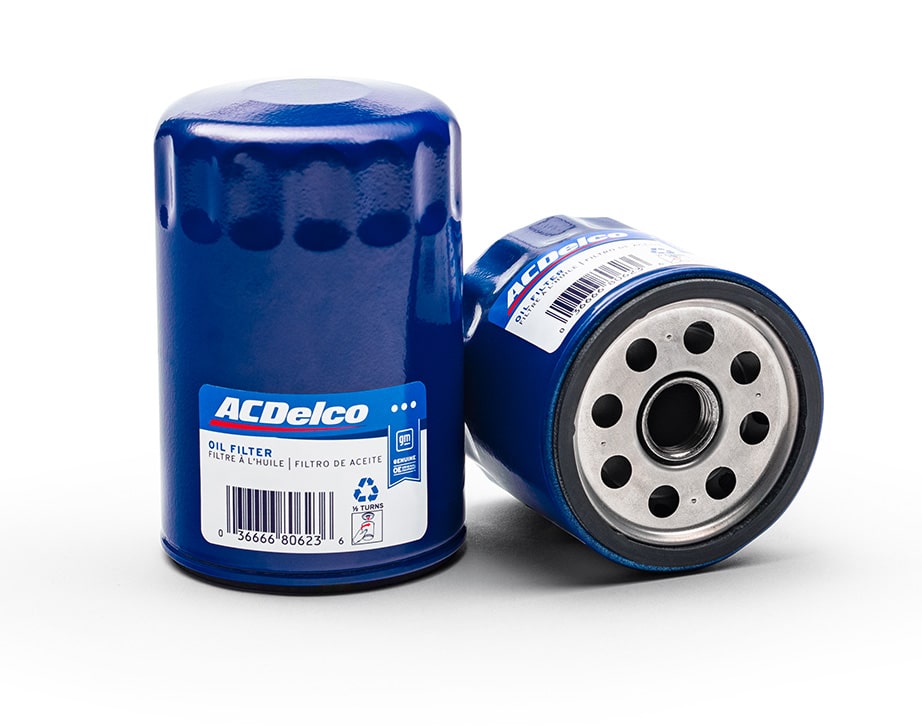
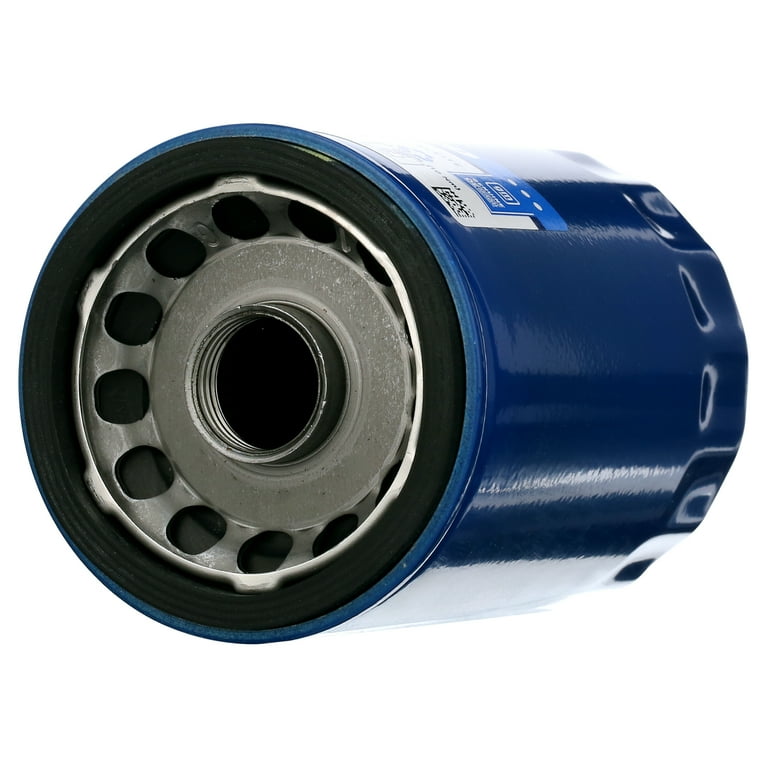
The official GMC product record reviewed for this guide identifies ACDelco PF63 as GM part 12735811. These are two labels for that listed product, not competing recommendations. Record both when discussing a purchase with a supplier. Do not assume every historical product carrying the same short reference must have the same current GM order number.
Why the complete reference matters
Copy letters and suffixes exactly before searching. A missing character can obscure whether you are looking at a particular filter, an older reference or a differently packaged item. Search results may normalize spacing, but you should retain the full printed number in your notes. Ask the seller to explain a difference instead of silently deleting characters until a match appears.
Begin at an official source and set the vehicle context
The ACDelco homepage currently leads to GM Parts, whose guidance directs owners to its parts store or an authorized specialist for fitment confirmation using the VIN. Use the live links supplied there rather than assuming a search-engine listing for an old catalogue remains the preferred route. The public information hub explains products; the selected-vehicle product result performs a different job.
Prepare three pieces of application information
- The original vehicle identity: have the VIN, model year and exact model available. Supply private vehicle identifiers directly to the official tool or the chosen parts specialist, not in a public comment or screenshot.
- The installed engine: confirm the engine choice requested by the catalogue. Disclose an engine replacement, conversion or changed filter adapter because a VIN describes the vehicle as originally identified, not every later modification.
- The intended service part: specify engine oil filter and retain the old reference as supporting information. Do not confuse the replaceable element or canister with a filter housing, oil cooler component or transmission filter.
Keep the product family attached to the result
GM’s oil-filter information distinguishes Original Equipment, Gold and Ultraguard offerings. A family name helps describe the item, but it does not identify the correct application by itself. Do not transfer a feature advertised for one line to every ACDelco filter, or turn a premium-sounding name into proof that an unlisted alternative fits your engine.
Read the result as an application record
Open the product detail rather than purchasing from the search-card title alone. Check whether the vehicle has actually been selected and whether the fitment control confirms it. A general list of compatible model names may still leave engine or other distinctions unresolved. A vehicle name somewhere on a page does not prove that every version of that vehicle takes the item.
Save identifiers in separate fields
Use a small record that separates product identity from vehicle approval. The example below reproduces the two identifiers shown together on the reviewed PF63 product page. It deliberately leaves application confirmation as its own field; this article is not selecting PF63 for an unidentified reader.
Example of a product record to retain
| ACDelco reference | GM order number | Application decision |
|---|---|---|
| PF63 | 12735811 | Confirm for the actual vehicle |
Reconcile older GM numbers before ordering
GM Service Insights documents an earlier transition from PF63E/12690385 to PF63/12707246. The current product example above uses another GM number. These published records explain why an old receipt and a current listing can differ; they do not establish every intervening supersession. Ask for the current replacement chain applicable to your vehicle rather than inventing one from matching photographs.
Questions that resolve a reference mismatch
- Is this the current service part for the identified engine, or merely a number that appears in an older catalogue or bulletin?
- Does the supplier confirm the replacement relationship for this application, including any restrictions, instead of relying on a similar short reference?
- What exact number, product line and package quantity will appear on the invoice and delivered item?
Keep the answer with the order. A supersession explanation is useful when it connects the old and new references explicitly. “It looks the same” leaves the central question unanswered. If the seller cannot establish the relationship, pause the purchase and ask a source with access to the appropriate application catalogue.
An installed filter is evidence, not an unquestionable authority
Previous service could have fitted an incorrect part, and historical labelling issues also exist. GM’s October 2013 PIP5157 bulletin describes some early 2014 Corvette engines with the 6.2L LT1: the installed filter itself was correct, but its label directed the next replacement toward PF63 when PF64 was required. That narrowly scoped example shows why copying a can label can be insufficient.
Preserve the limits of a historical bulletin
The same bulletin warned that the longer PF63 could encounter suspension-clearance risk in the described Corvette situation. This is not a claim about every Corvette, every PF63 application or a current order number. Use the bulletin to understand the problem it documents, then obtain current application confirmation. Physical attachment alone did not resolve that historical clearance concern.
When a catalogue result still needs clarification
An unresolved search should become a focused request, not an invitation to guess. The GM parts locator provides a route to a dealership or authorized retailer. Explain the conflict clearly so the person checking the catalogue can distinguish an application question from a stock or packaging question.
Send the supplier a useful description
- Identify the vehicle and installed engine through the supplier’s appropriate channel, including relevant modifications.
- Give both conflicting references exactly as printed and identify where each came from: installed filter, invoice, manual, bulletin or live product record.
- Describe the unresolved issue, such as engine choice, current replacement number, housing arrangement or package contents.
- Request the supported service part and the reason for the decision, preferably retained with the written order.
Check the delivered product before the vehicle is dismantled
- Compare the invoice with the saved product and application result; catch an unexplained substitution while it can still be returned.
- Read the box reference and the filter markings. A disagreement needs an explanation from the supplier.
- Confirm whether the service item is a complete spin-on filter, an element or another component.
- Establish which seals are included and which, if any, must be ordered separately for that service procedure.
- Inspect the received item for obvious shipping damage, contamination or compromised packaging.
- Retain the supplier’s fitment answer and purchase record instead of relying on memory at the next oil change.
- Arrange the actual installation around the vehicle’s service instructions and the confirmed part, including application-specific tightening requirements.
These checks do not authenticate a filter or measure its internal performance. They remove avoidable ordering errors and preserve a trail when a discrepancy needs investigation. A correct-looking package still does not replace a valid application match.
Do not reject a documented revision solely on appearance
GM’s November 2020 bulletin 20-NA-213 describes a gasket-design revision for replacement PF63, PF64 and PF48 filters beginning October 1, 2020. It also directed technicians to the Electronic Parts Catalog for the specific application. A visible difference can therefore have a documented service explanation. That does not mean every unfamiliar item is legitimate or interchangeable.
Separate three different questions
- Application: is this reference currently specified for this engine and its filter arrangement?
- Revision: does authoritative information explain why its number or construction differs from an older example?
- Condition and provenance: did the ordered part arrive intact through a traceable supplier?
A photo comparison cannot answer all three
Online pictures may show an earlier revision, a representative image or packaging different from the delivered item. Ask for a documented explanation when the difference matters. Do not identify counterfeit status from one cosmetic feature, and do not accept a damaged filter just because its number is correct.
Keep fitment separate from maintenance promises
A successful parts search identifies what belongs on the application; it does not set the next oil-change deadline. Use the vehicle’s maintenance requirements and relevant operating conditions. The separate oil-filter service-life guide explains why a brand name or advertised capability should not become a universal replacement interval.
The result does not diagnose an engine problem
Do not use a replacement-filter lookup as a diagnosis for an oil-pressure warning, unusual noise or suspected lubrication failure. Follow the vehicle’s warning instructions and obtain appropriate assessment. Finding a part number does not establish whether the filter caused a symptom or whether continued engine operation is safe.
A larger filter is a separate engineering question
Extra canister length is not automatically an upgrade. Clearance, sealing and the intended filtration arrangement remain application requirements. Our filter-interchangeability guide explains the broader limits; this lookup should finish with a supported reference, not an improvised size substitution.
Non-GM vehicles still need their own application confirmation
ACDelco’s aftermarket range is not confined to one vehicle badge, but that does not make a GM-specific product result an approval for another make. Use the relevant current ACDelco application information or ask its supplier to confirm that exact vehicle. Never infer a Toyota, Honda or other application merely from similar threads or a familiar filter diameter.
Credit: www.walmart.com
Common ACDelco lookup questions
Is PF63 enough information to place an order?
It can identify a product family reference for a search, but retain the associated current GM number and confirmed application. If the seller offers a different number, establish the replacement relationship and delivered item before purchasing.
Should I trust a printed manual or a newer listing?
Treat a conflict as something to resolve. A manual can preserve the original service reference while a current catalogue reflects a later change. Ask for the supported current replacement; do not assume newer search-result text is automatically correct.
Can I choose the filter from its thread dimensions?
Thread compatibility is only one requirement. It does not prove acceptable clearance, sealing or the correct application specification. Use dimensions to investigate a discrepancy, not to override a missing or contradictory fitment confirmation.
What if the official lookup will not complete?
Keep the vehicle information and candidate references, then contact an authorized supplier. A loading failure, unavailable selection or empty result does not establish that no suitable ACDelco filter exists. It also does not justify selecting an unverified substitute.
Finish with a supported part and a usable record
The useful outcome is a current filter identity connected to the actual application, with any older-number conflict explained. Save that evidence with the order and service paperwork. This guide is based on public GM product information and dated manufacturer bulletins; it does not claim a private VIN search, physical filter inspection or installation on the reader’s vehicle.


Automotive reference information. Confirm specifications in the manual for your exact vehicle. Original replacement guides link to their research sources. About us