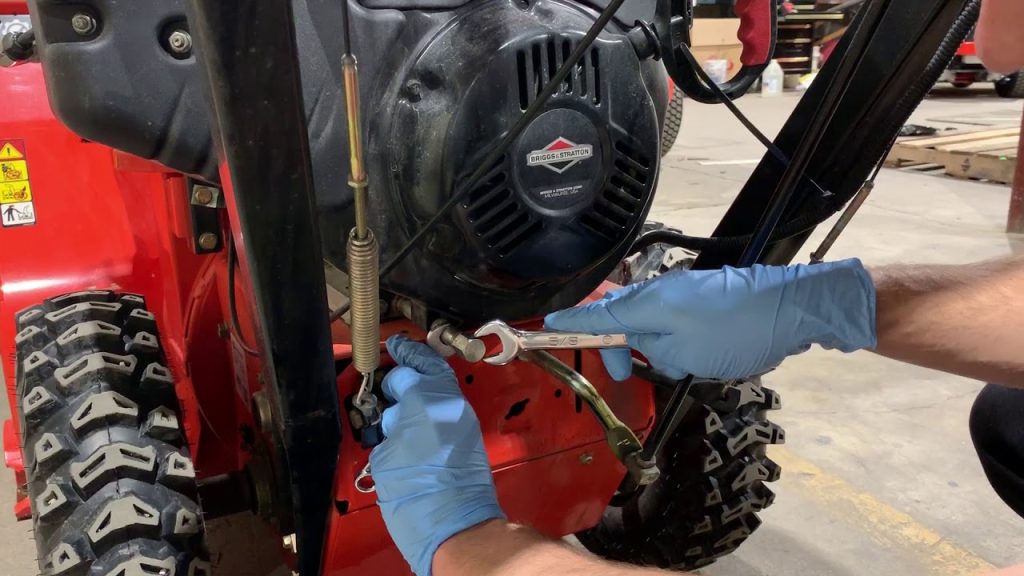

Some snow-clearing machines have engine oil filters; others do not specify a replaceable filter as part of engine maintenance. The answer depends on the power unit, not the word snowblower. The walk-behind examples below have oil-change procedures without an oil-filter replacement step, while a tractor used with a snowblower attachment has its own engine filter. Identify your exact machine and engine before ordering parts. An absent filter-replacement instruction is not permission to skip the oil change that the manufacturer does require.
Begin by identifying what powers the snowblower
Separate a gasoline walk-behind machine, a battery-powered machine and a tractor-mounted attachment. They may all clear the same driveway, but their lubrication requirements are not interchangeable. Also distinguish four-cycle gasoline engines from older two-cycle equipment. Write down the machine model and serial number, then the engine identifier if it has a separate label. The clearing width and number of snow-handling stages describe the equipment, not a complete lubrication specification.
A documented walk-behind example: Toro Power Clear 518
The Toro Power Clear 518 manual for models 38474 and 38475, serial 400000000 and up provides engine-oil draining and filling instructions without a replaceable oil-filter step. Its schedule calls for an initial oil change after two hours and then yearly oil changes. That is useful evidence for those listed machines, not a schedule for every Toro. Read the whole maintenance section: a search for the word filter alone can miss how the engine is actually serviced.
A two-stage example does not create a universal rule
The Honda HSS owner’s manual 00X31V45A159 likewise describes draining and refilling engine oil without replacing an engine-oil filter. Its maintenance schedule separately mentions a fuel tank and filter, so the appearance of the word filter does not identify an oil filter. Honda’s manual selector assigns documents by model and serial range; for HSS928A, this document is linked for SADA 2020201 and later. Select the applicable document instead of assuming every similarly named machine has identical instructions.
A tractor with a snowblower attachment is a different case
John Deere’s X590 replacement-parts guide identifies engine oil filter AM125424. Its November 2025 attachment catalog lists a 47-inch snowblower for the specified X580, X584 and model-year-2016-onward X590 applications. Together, these documents provide a clear example of a snow-clearing setup whose power unit has an engine filter. The filter belongs to the tractor engine; the front attachment does not become a separate gasoline engine merely because it throws snow.
Electric start and hybrid drive do not mean oil-free operation
An electric starter only changes how the engine is started. Honda’s HSM1336i hybrid description gives another important distinction: an iGX390 engine drives the snow-handling mechanism while electric motors drive the tracks. That machine still has an engine requiring its specified maintenance. By contrast, Toro’s 2024–25 brochure describes its battery snowblower range as operating without gasoline or engine oil. Check the actual power system, not whether a machine has a battery, charging connection or electric button.
How to confirm the service arrangement without guessing
Use a short evidence trail before removing covers or buying a service kit. The aim is to find the manufacturer’s description of the installed machine, then identify the exact maintenance action. A kit advertised for snow equipment in general is too broad to settle the question.
- Record the complete machine identity. Photograph its model and serial label in readable light. A sales receipt may identify only a product family, while the label can distinguish revisions that use different instructions.
- Check whether the engine has separate documentation. The Ariens manuals page separates product manuals from engine-manufacturer resources. Keep both documents when the equipment manual refers engine service elsewhere.
- Open the lubrication and maintenance sections. Look for engine oil, filter replacement, a serviceable screen or strainer, and the listed maintenance intervals. Do not substitute the fuel-system chapter for the lubrication instructions.
- Consult the applicable parts diagram when necessary. A clearly identified service filter should have a supported part reference. A generic online photo of a round can near an engine cannot identify what circuit it serves.
- Reconcile the physical machine with the documents. If its engine was replaced, the original snowblower manual may no longer describe that engine’s filter. Retain any replacement-engine records.
- Ask a precise unresolved question. Give a dealer the identifiers and the page that caused doubt. Ask whether the installed engine has a replaceable oil filter, rather than asking for a filter for a particular clearing width.
- Record the confirmed outcome. Save either the specified filter reference or the documented oil-only service procedure. This prevents the same uncertainty from returning every winter.
Do not remove an unidentified plug to look for a hidden filter. A plug could belong to another assembly or retain a component that the owner’s procedure does not ask you to disturb. If a manual identifies a screen or internal service part, follow that specific instruction. Our generator filter-identification guide explains a similar distinction between a replaceable filter and other lubrication-system components.

Credit: www.facebook.com
Two-cycle snowthrowers require a different oil question
Toro’s snowthrower support guidance distinguishes two-cycle machines using an oil-and-fuel mixture from four-cycle engines with separate oil. It directs owners to the machine’s specified mixture ratio. Do not pour four-cycle crankcase oil into a two-cycle fuel tank as a guessed substitute, or apply a mixed-fuel instruction to a four-cycle engine. On an unfamiliar used machine, settle the engine type before fueling it or looking for a routine engine-oil drain.
No replaceable filter does not mean no maintenance
The relevant question is what service keeps the installed engine within its requirements. A machine without a specified replacement oil filter can still need regular oil changes, level checks and other scheduled care. Maintain the schedule that belongs to the engine instead of creating an extra task to make it resemble a car.
- Use the stated trigger. A maintenance schedule may combine operating hours, elapsed time and an initial service. Check every applicable condition rather than waiting for an arbitrary automotive mileage figure.
- Keep records through quiet winters. Low use does not erase a calendar requirement. Note the service date and accumulated hours if available so an infrequently used machine does not disappear from your maintenance plan.
- Check the level by the specified method. The correct surface, engine condition and dipstick insertion method matter. Do not assume a screw-in cap is always screwed down, or always rested, while taking the reading.
- Distinguish scheduled care from a fault. A leak, unexpected level loss or abnormal engine behavior deserves investigation. Buying a filter that the engine never specified is not a diagnostic method.
If a filter is specified, service the correct circuit
A tractor or larger power unit can contain several filters and fluids. Engine oil, transmission fluid and hydraulic fluid are separate service categories unless the applicable documentation says otherwise. Confirm the label on the service item and its location before draining anything.
- Match the engine application. Use the complete model or supported vehicle identification to obtain the correct filter, including any required seals. A similar-looking spare is not automatically suitable.
- Prepare safely. Follow the equipment’s shutdown, parking and isolation steps before service. Account for unintended engine starting and moving attachments, not just the temperature of the oil.
- Use the specified draining method. Position the machine and catch container as instructed. Do not tip a heavy snowblower or tractor simply because a different small-engine video used that approach.
- Follow the filter’s installation instructions. Gasket preparation and tightening requirements belong to the specified assembly. Do not apply one universal turn count or reuse a seal without support.
- Refill and verify correctly. Obtain the engine’s oil specification and level procedure. Filter dimensions or the volume of an oil bottle do not establish the correct final level.
- Complete the required checks. Inspect for leaks and verify the level as directed. Stop safely if the service produces an abnormal result and resolve it before returning to snow clearing.
Keep the removed filter and used oil contained for an appropriate collection facility. Acceptance requirements vary, so our oil-filter recycling guide explains how to check local arrangements. Avoid leaving oily parts where melting snow can carry residue into a drain.
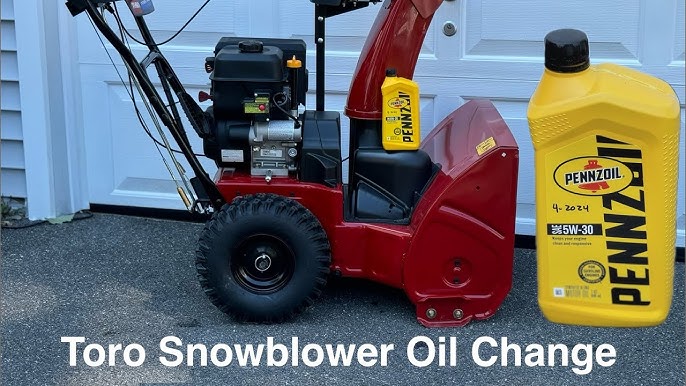
Credit: www.youtube.com
Common questions before winter service
Does a two-stage snowblower always have an oil filter?
No such rule follows from the number of stages. Stages describe the snow-handling arrangement. The Honda example above is a two-stage application with an oil-service procedure that does not call for replacing an engine-oil filter. Use the engine documentation to answer the lubrication question.
Should I add an aftermarket filter kit?
Do not treat a filter as an accessory that can be added to any engine. A conversion needs explicit support for the exact lubrication system, parts and installation. For normal owner maintenance, complete the documented service rather than drilling, tapping or routing a new oil circuit to imitate another engine.
Does every snowblower use the same winter oil?
No. Select the oil from the applicable engine requirements and expected operating temperatures. A two-cycle fuel lubricant, four-cycle crankcase oil and transmission fluid serve different purposes. The word winter on a bottle does not establish that it belongs in every reservoir or engine.
What if the machine came without an engine manual?
Find the identifiers first, then obtain the matching document through the equipment or engine manufacturer. If the label is unreadable, a dealer may need photographs and service history. Avoid treating another owner’s similar machine as proof; an engine revision or replacement can change the relevant instructions.
Confirm the engine requirement before buying a filter
A missing oil-filter step can be normal for the documented snowblower engine, while another snow-clearing setup genuinely requires a filter. The useful answer comes from identifying the power unit, reading its oil-service instructions and keeping unrelated fluid circuits separate. These examples are based on manufacturer publications, not a claim that every snowblower was inspected or tested. Preserve the exact model and serial context when applying them.


Automotive reference information. Confirm specifications in the manual for your exact vehicle. Original replacement guides link to their research sources. About us