
The correct way to check transmission fluid depends on the transmission, not just the vehicle badge. Identify the exact unit and its specified level-check procedure before deciding whether the engine should run, what temperature is required or where the level is measured.
Some vehicles provide an owner-accessible dipstick. Others require a service procedure involving a level opening, temperature measurement or special equipment. Do not assume that a missing dipstick means the fluid never needs assessment, or that a visible plug is safe to remove.
This guide helps you select the right method and interpret its result. It deliberately avoids a universal “warm it up and check in Park” instruction, which can be wrong for a particular transmission.

Credit: www.thedrive.com
Begin with vehicle and transmission identification
Use the year, engine, market and transmission identification to find the applicable owner or service information. If the drivetrain has been changed, the original VIN record may not describe the installed unit. Confirm that detail before using a fill quantity or fluid specification.
Read the full procedure before starting. Look for required temperature, engine state, selector position, vehicle position and approved fluid. Missing one of those conditions can produce a misleading level reading.
Prepare for the specified method
For an owner-permitted dipstick check, gather the items the vehicle instructions require. A workshop-level procedure needs appropriate access and equipment rather than an improvised substitute.
- Applicable instructions for the installed transmission.
- A clean, lint-free wiping material if a dipstick is used.
- The exact approved fluid specification if adding is permitted and necessary.
Temperature is part of the measurement
Do not equate “the engine feels warm” with the required transmission-fluid temperature. Use the temperature method specified for the application.
- Confirm whether the procedure requires a cold, warm or defined temperature-range reading.
- If a scan-tool temperature reading is required, verify that it is the correct transmission parameter and units.
- Position and secure the vehicle exactly as instructed; a slope can distort a level measurement.
Identify the correct measuring point
Use the manual's diagram to distinguish the transmission dipstick or service point from other components. Do not remove an unidentified plug. A level check requiring access beneath a running vehicle belongs in a properly equipped workshop.
Read the level under the required conditions
Where the manufacturer permits a dipstick procedure, follow its complete sequence rather than a generic order copied from another vehicle.
- Use the specified engine and selector state before taking the reading.
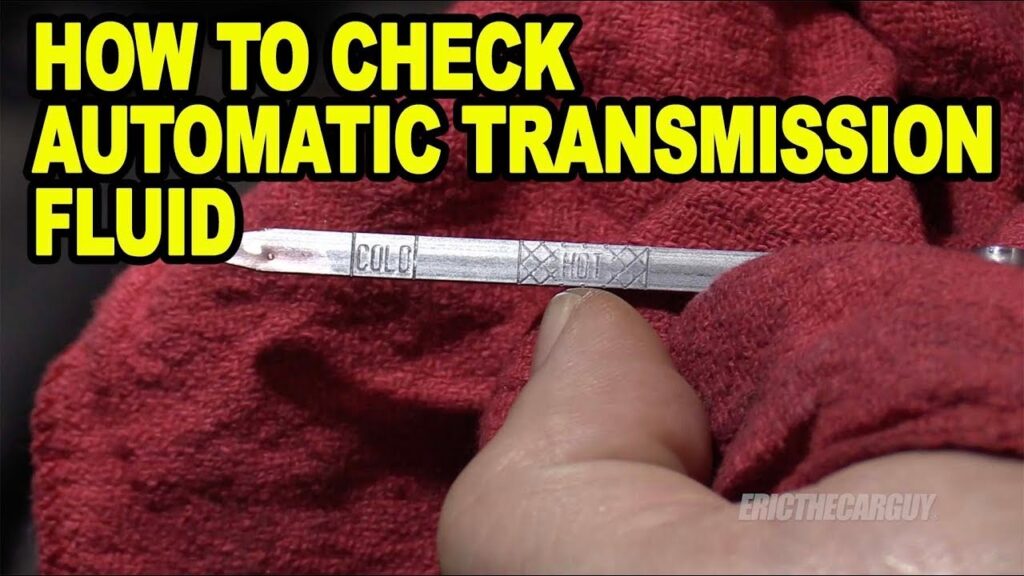
- Wipe and fully seat the dipstick as instructed, keeping contamination out of the tube.
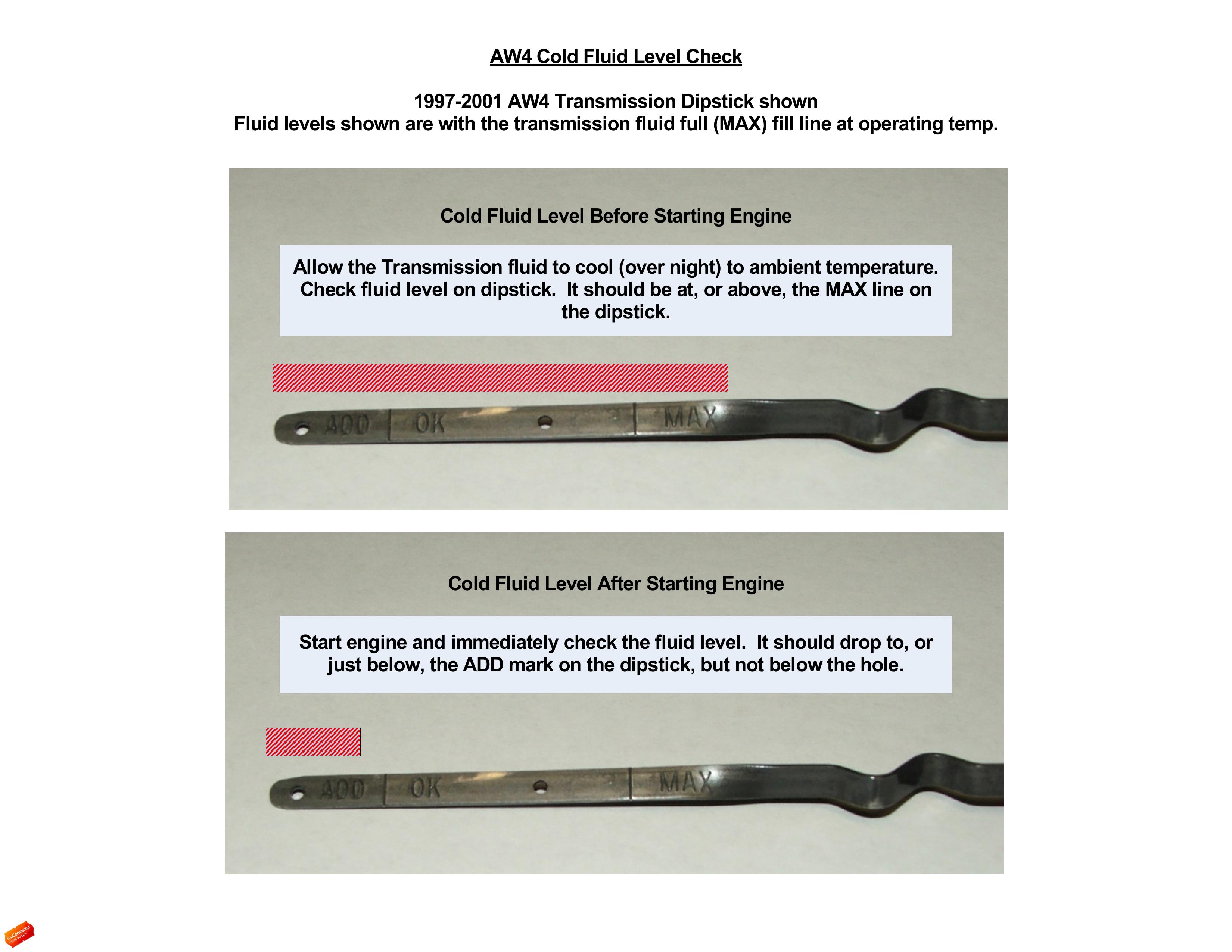
- Compare the reading with the correct marked range for the stated temperature and repeat if the smear is unclear.
Keep level and condition separate
A level observation answers how much fluid is present under the check conditions. Appearance or odor may justify further assessment, but neither supplies the correct level by itself.
- Record whether the level falls within the applicable marked range.
- Report unusual contamination, foaming or odor without assigning a cause from appearance alone.
- Do not assume all transmission fluids must be the same color.
Add fluid only after a valid low reading
If adding is permitted, use the exact specification and the instructed method. A refill capacity is not automatically the amount missing from the vehicle.
- Confirm the level was measured under the correct conditions before adding.
- Add only as directed and reassess the level; do not pour in a full published capacity as a top-up.
- Investigate why fluid is low, particularly if there is evidence of leakage.
Verify without creating an overfill
The check is complete when the level is verified by the appropriate procedure and any underlying complaint is addressed—not merely when fluid has been added.
- Recheck using the required state and temperature, rather than comparing incompatible hot and cold readings.
- If the reading is high, use our overfilled transmission-fluid guide before making another adjustment.
Credit: www.cherokeeforum.com
Common questions about the level check
Should the engine be running?
Only if the procedure for that transmission requires it. Ford: application-specific automatic transmission fluid check shows a running-engine dipstick procedure for its covered application. That is evidence of one method, not a universal rule for other transmissions.
Can I check a transmission without a dipstick?
It may require a service-level procedure. Find the applicable instructions first; do not infer the correct opening or temperature from a photograph of a similar gearbox. If the owner manual directs dealer or workshop service, follow that route.
Do slipping or delayed shifts prove the fluid is low?
No. Those symptoms justify investigation but can have several causes. Confirm the level correctly and assess the complaint rather than adding fluid as a diagnostic experiment.
Is a cold reading enough?
Only where the specified procedure makes it sufficient. Some markings or preliminary readings have a limited purpose. Do not adjust to a different temperature range just because its mark is easier to see.
What to keep in the service record
Record the transmission identification, procedure used, temperature or stated condition, measured level and any fluid added. If the reading was uncertain, say so rather than converting it into a precise top-up quantity.
A correct level is a verified measurement under the right conditions. It is not a guess based on dipstick color, a generic capacity or how the car happens to shift.


Automotive reference information. Confirm specifications in the manual for your exact vehicle. Original replacement guides link to their research sources. About us