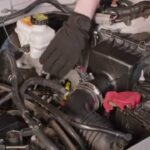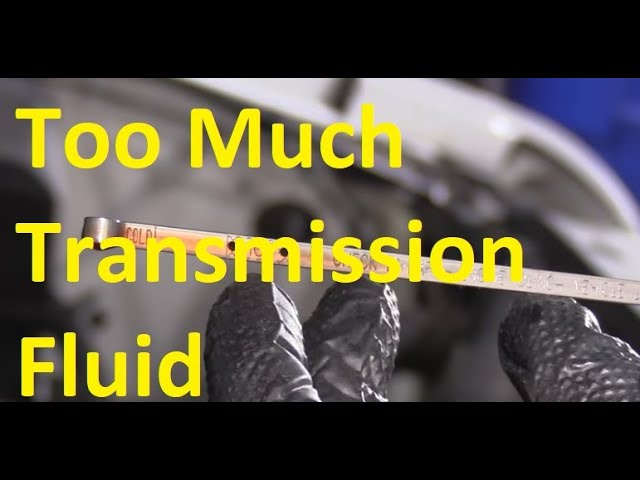

Too much transmission fluid can cause operating problems, but slipping, harsh shifts or leakage do not prove overfill. Start by confirming that the level is above the specified range under the correct checking conditions for the installed transmission.
The timing matters. If the complaint began immediately after service, keep the invoice and note the fluid type and quantity used. A published total capacity is not necessarily the quantity required after a particular drain or repair.
Do not add more fluid to “fix” slipping or remove an arbitrary amount to treat suspected overfill. Either action can make the level wrong in the opposite direction.

Credit: www.youtube.com
Can an overfill affect shifting?
Yes, excessive level can be associated with shift or engagement concerns. Ford: application-specific automatic transmission fluid check warns about overfill for its covered application. That supports checking the level, but it does not make every shift complaint an overfill diagnosis.
If the vehicle loses drive, displays an overheating warning or leaks heavily, stop safely and arrange assessment. Avoid continuing a test drive to see whether the transmission will clear the excess itself.
Why a high-looking reading can mislead
Before interpreting a dipstick or level opening, check the required temperature, vehicle position, engine state and selector position. A reading taken under the wrong conditions may not represent a true overfill.
- Wrong temperature: fluid level must be compared with the range specified for the measurement condition.
- Wrong state: an engine-off reading cannot automatically be interpreted using a running-engine procedure.
- Unclear measurement: a smeared dipstick or incorrectly seated tool may need a repeat check rather than immediate adjustment.
Foam and aeration need context
Foamy fluid is an observation to report, not a calibrated measure of excess quantity. The technician should assess the level and the reason for abnormal fluid behavior together instead of treating bubbles as proof of a specific amount of overfill.
- Record when the fluid was observed and the operating conditions.
- Avoid assigning a universal pressure or damage threshold from the appearance alone.
- Ask how the level was verified and whether another fault could explain the operating complaint.
Leaks do not identify the original cause
A leak needs its location established. Fluid around a housing, vent or seal is not enough to conclude that excess fill created the problem. Existing damage and other conditions may require separate attention.
Wiping the area or correcting a level is not final verification if leakage continues. The workshop should explain the source and recheck it after the relevant repair.
If symptoms began after a fluid service
Compare what was done with the correct procedure. The important questions are whether the fluid specification matches, whether the correct level method was used and whether the symptom existed beforehand.
- Keep the invoice and product specification.
- Record the first symptom and when it appeared after service.
- Request a documented level check before agreeing to unrelated parts replacement.
How a confirmed overfill should be corrected
Have the excess removed by the method appropriate to that transmission, then verify the level under the required conditions. Do not remove a random plug or assume a universal quantity should be drained.
Our transmission-fluid level guide explains how to identify the correct procedure. If the level is correct but the complaint remains, further diagnosis is needed rather than repeated fluid adjustments.

Credit: www.dubizzle.com
What proves the issue is resolved?
Keep the before-and-after level findings and the procedure used. The final check should also address the original shifting, warning or leakage complaint. Correcting an overfill does not prove that no consequential damage or unrelated fault exists.
A useful conclusion states both what was found and what was verified afterward. “Some fluid was removed” describes an action; it does not by itself establish that the transmission is now correctly filled or operating normally.


Automotive reference information. Confirm specifications in the manual for your exact vehicle. Original replacement guides link to their research sources. About us