
The safe fix for a stuck-open fuel injector depends on what has actually failed. A mechanically leaking injector, a damaged external seal and an electrical command fault are different problems, even when all are described as “too much fuel.”
Confirm the failure before choosing cleaning, specialist service or replacement. Do not try to free an injector by hitting it, powering it directly from a battery or continuing to drive with a strong fuel smell.
If fuel leakage or liquid accumulation in a cylinder is suspected, stop starting the engine and arrange professional assessment. This guide explains the repair decision and the checks that should accompany it.
It does not provide an engine-independent dismantling procedure or a shortcut around high-pressure fuel-system precautions.
Confirm the kind of fault before buying a part
- Ask the repairer to distinguish an internal closing fault from an external fuel leak. Internal leakage means fuel is passing through the injector when it should be sealed under the relevant test conditions. An external leak can involve a seal, connection or damaged component outside that path.
- A command or wiring problem can also cause inappropriate delivery without establishing a mechanically stuck needle. Each finding leads to a different repair scope. A misfire code, wet spark plug or rich-running complaint is not sufficient evidence on its own.
- The investigation needs to account for ignition, compression, fuel pressure and the control system where relevant. Ask which cylinder or injector was identified and how. A written result is more useful than a description such as “the engine is getting too much gas.”
- If the diagnosis is uncertain, authorize the needed testing before committing to a set of injectors. Pressure testing, electrical testing and delivery testing answer different questions. A pressure change may suggest leakage somewhere in the system without pinpointing one injector.
- Electrical operation does not demonstrate correct sealing. A flow comparison may reveal delivery differences but needs suitable equipment and a procedure for that injector type. These tests should be selected and interpreted together rather than treated as interchangeable proofs.
- Record what happens before any codes are cleared or parts are removed. Note cold versus warm behavior, recent fuel purchases and previous repairs. Keep the exact wording of fault codes and the circumstances of the complaint.
This information is especially useful when the problem is intermittent. It can also prevent a successful repair from being judged against a different symptom that was never part of the original diagnosis.
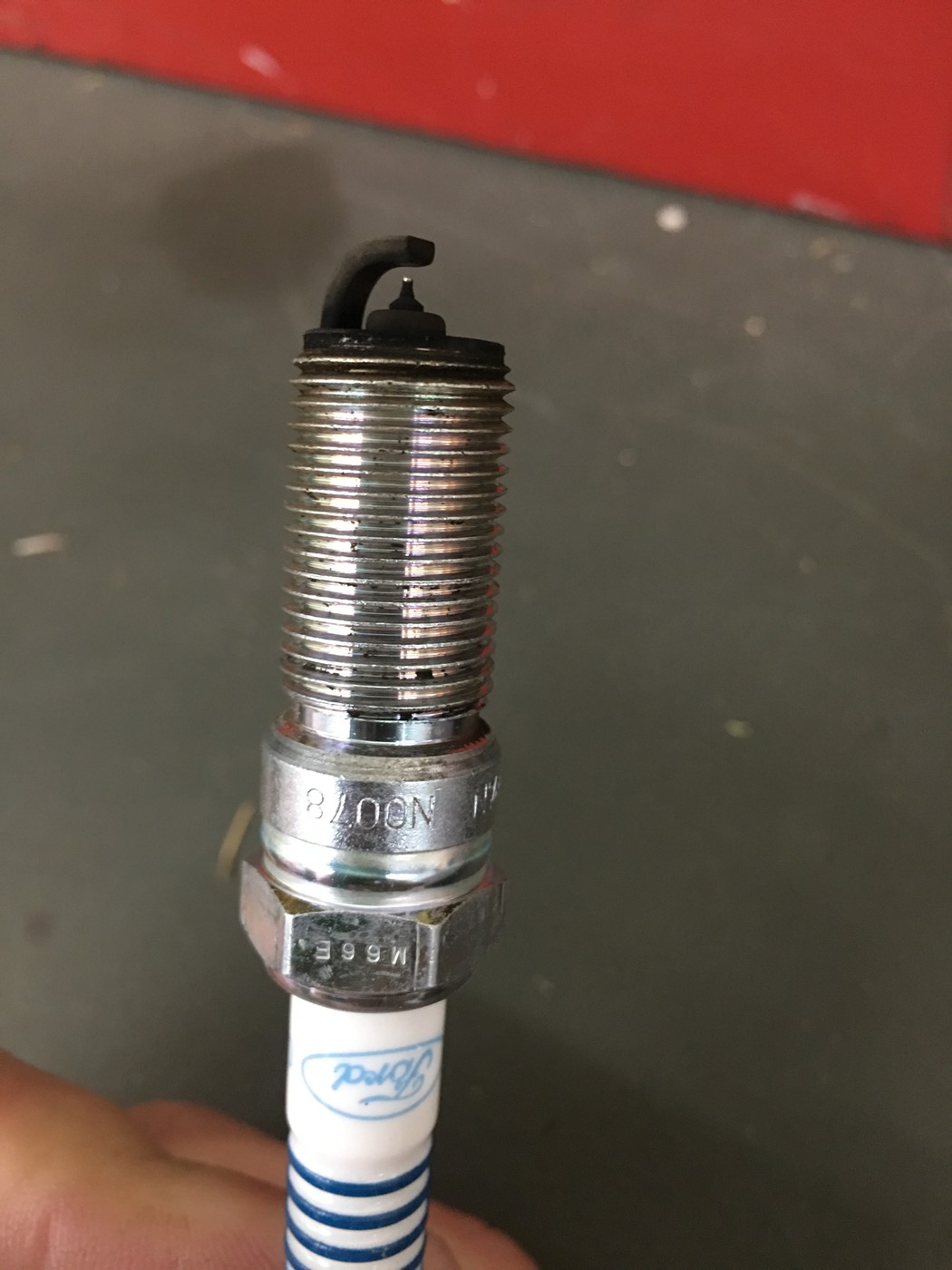
Credit: www.ecoboostperformanceforum.com
Find the reason the injector failed
The repair should consider why the closing problem developed. Contamination, wear and an electrical fault are not remedied in the same way. If contaminated fuel or debris is found, replacing only the visibly affected injector may leave the replacement exposed to the same cause. Ask whether the fuel supply and any other affected components need inspection.
Do not assume that every injector failure proves bad fuel; the finding must come from the actual diagnosis. Review recent service work as well. An incorrect replacement part, damaged seal or unsuitable installation method can create a problem that resembles ordinary component aging. Part identification matters because engines with similar names can use different injectors.
A used injector that fits physically may still have the wrong specification. Verify the application and any required correction information before fitting it. Delphi’s common-rail service guidance emphasizes system-appropriate work on diesel injectors.
That supports a broader repair principle: use the procedure for the identified system, not a generic internet method. A method suitable for a serviceable diesel injector in a properly equipped facility should not be assumed suitable for a sealed gasoline injector. The supplier’s serviceability guidance and the vehicle manufacturer’s instructions determine the available options.
Choose repair, specialist service or replacement
Verify the repair and keep a useful record
The completed repair should pass the manufacturer’s specified leak and operating checks. A system must be checked in the correct way, with suitable equipment, rather than by touching a suspected high-pressure leak. Stop if there is abnormal leakage, starting behavior or another unexpected result.
Do not keep cranking in the hope that the system will sort itself out. Priming and first-start requirements vary by engine. Revisit the original complaint after the installation checks pass.
If the problem occurred after a warm shutdown, an appropriate verification needs to consider that pattern. If the concern was a cylinder misfire, check the relevant diagnostic information and operating behavior.
A single smooth idle does not necessarily reproduce the conditions that caused the fault. Verification should be safe and proportionate to the original finding.
Ask for an invoice that identifies the failed component, replacement or service work, associated parts and final checks. The FTC’s auto-repair guidance recommends clear repair documentation and estimates; that is particularly helpful when a fuel-system job contains both diagnosis and parts work.
Retain the injector identification and any warranty terms. These records help a future technician distinguish a repeat fault from a new problem.
If the symptom remains, return to the evidence rather than adding cleaners to conceal it. Another fault may coexist, or the original diagnosis may have been incomplete.
Report precisely which behavior remains and whether it changed. Do not claim the repair failed only because an unrelated warning exists, but do not accept code clearing as proof that a continuing fuel smell is harmless.
For the earlier recognition stage, see stuck-open injector warning signs. The meaningful endpoint is a confirmed cause, an appropriate repair and a verified result—not simply a newly installed injector. Before collecting the vehicle, compare the completed work with the original estimate. If the initial plan was injector replacement but the final finding was an external seal leak, the paperwork should make that change clear. If the scope expanded because contamination was discovered, ask what evidence supported the additional work and what was done to address the source. This is not an invitation to demand unnecessary dismantling; it is a way to understand the completed repair. A precise record also prevents a later technician assuming that an internally failed injector was replaced when the actual work concerned a connection, seal or wiring repair. Keep any remaining recommendations separate from work already performed, with their urgency and reason stated clearly.


Automotive reference information. Confirm specifications in the manual for your exact vehicle. Original replacement guides link to their research sources. About us