
For a K&N oiled cotton air filter, use the specified K&N service oil rather than substituting motor oil, transmission fluid, foam-filter oil or WD-40. The company's filter-care FAQ does not recommend other oils and says their performance on its filters has not been tested. That is a manufacturer instruction, not proof that every alternative instantly destroys an engine. If the correct product is unavailable, resolve the supply problem or fit an appropriate serviceable replacement filter instead of improvising a treatment.
Identify the filter before choosing any oil
The brand name alone does not settle the maintenance procedure. K&N sells oiled cotton filters as well as products with different media and service requirements. Read the actual part number and look up that product's instructions. A filter removed from an aftermarket intake may differ from the standard vehicle part, so the vehicle's model name is only part of the identification. Photograph the marking and installed arrangement before setting the element aside. Our guide to reusable and replacement-only air filters explains the wider distinction.
The oil is part of a filtration system
K&N's cotton-filter oiling explanation describes the oil as a substance that helps the fibers retain contaminants. It also directs users to the individual product specification for the factory oil amount. This is why a bottle's color or apparent thickness is not enough to select a substitute. The relevant question is whether the media and treatment are intended to work together, including the application method and quantity. An engine idling smoothly after a home experiment would not measure how much dust passed through the filter.
Being out of oil does not require an improvised substitute
If you have not started the service, obtain the correct supplies first and choose a time when the vehicle can remain out of use for the necessary work. If the element has already been washed, do not treat the missing oiling step as optional merely because you need the car. Ask the supplier about the specified service product, professional servicing, or a correctly specified replacement that can be installed ready for use. A replacement must suit the actual housing or intake assembly; a similar-looking cone is not enough.

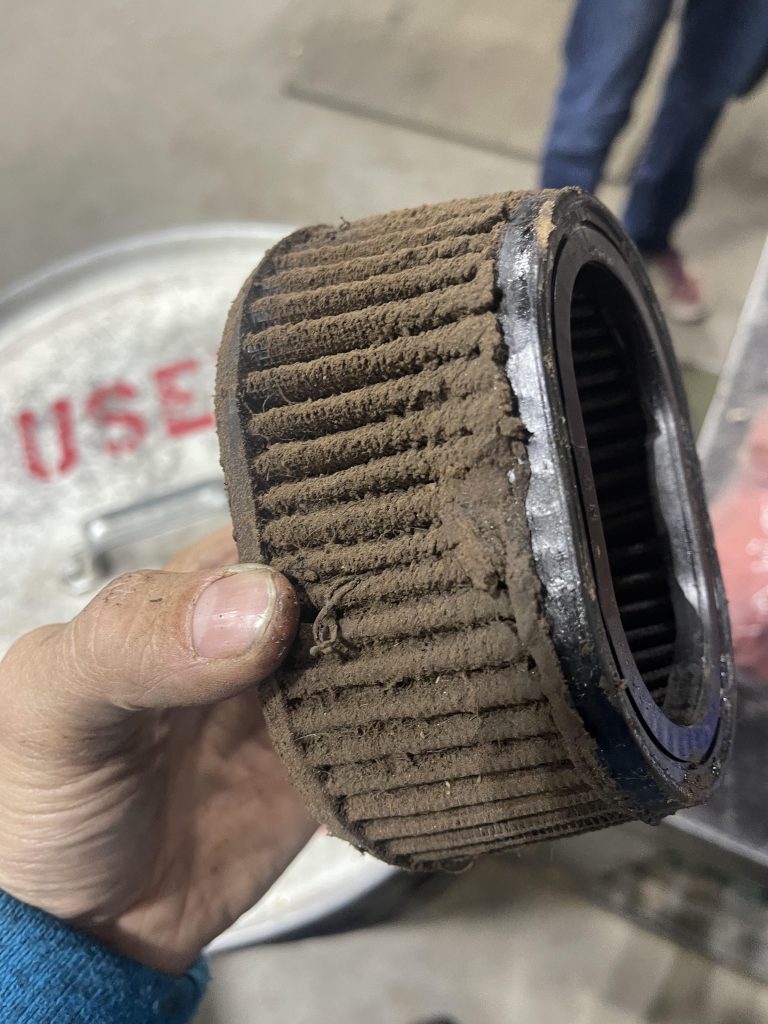
Credit: www.reddit.com
Why common substitute suggestions do not establish compatibility
- Engine oil: There are real air-filter applications that use it, but that does not establish suitability for K&N cotton media. Briggs & Stratton’s foam-only instructions specify fresh engine oil for the foam element described there. Its separate cartridge/pre-cleaner instructions for parts 796254/795066 instead require the pre-cleaner to remain dry. Even within one equipment maker's range, the procedure depends on the component. Carrying a small-engine foam instruction over to a different filter is the mistake.
- Automatic transmission fluid: Sharing a color with a filter-care product is not application approval. A transmission-fluid specification concerns its intended transmission use; it does not certify performance on an intake filter. Do not choose a brand, fluid grade or mixing ratio for this purpose from anecdotes. If an alternative seller claims compatibility, ask for documentation addressing your exact element and the filter maker's directions. Until that conflict is resolved, the published K&N oil requirement remains the practical basis for servicing.
- Foam-filter treatment: A product labeled “air-filter oil” can still be intended for a different medium. Check the label's permitted materials and application instructions instead of treating that broad name as a universal specification. Advice about kneading treatment through foam, for example, is not a reason to squeeze, twist or otherwise reshape a pleated cotton element. This guide does not certify another maker's foam oil for K&N cotton, and it does not claim that all foam oils share one chemical formulation.
- WD-40 or another household/workshop spray: Availability in the garage does not make a product an approved filter treatment. The K&N guidance reviewed here provides no emergency exception that turns a general-purpose spray into its specified oil. Avoid an invented “thin coat” remedy or a claimed safe distance to drive afterward. If you have already used a spray, retain the exact product label and explain what was applied when seeking advice; the brand name alone may refer to several different formulations.
A practical plan when servicing has already started
Work from the filter's identity and condition to a complete, documented service. The sequence below organizes the decision; the exact cleaning, drying and oiling instructions still come from the product. It deliberately avoids recipes for mixing oils or a one-size-fits-all quantity. If access to the filter involves unfamiliar connectors, clamps or dismantling, use the vehicle/intake instructions or have a workshop complete the job. Do not run an engine with the intake left open while deciding what to purchase.
- Record the filter's full reference, its media family and the intake it came from. Keep any installation sheet with that record. If you cannot find a marking, ask the supplier or manufacturer to identify the element from photographs and dimensions before ordering chemicals. Do not identify it from red or black appearance alone. Dirt, fading and different product families make color an incomplete clue.
- Check whether the element was simply due for cleaning or is damaged. A distorted frame, compromised seal or torn medium is a separate concern from which oil to use. Do not use additional oil as a patch for physical damage. A clean-looking element with a poor seal can still leave an unintended air path around the filtering material; replacement or professional assessment may be the appropriate next step.
- Open the instructions for that family and read them through before applying anything else. K&N’s cleaning page separates cotton, Dryflow, industrial, heavy-duty and cabin products. The cotton procedure requires drying before oiling, while other families have their own directions. Borrowing only the final step from a different section can create an incorrect service even when the cleaner and filter share a brand.
- For the specified cotton service, obtain the intended cleaner and oil and follow the actual product directions. Keep cleaning time, drying and oil-distribution time distinct; a waiting period mentioned for oil spreading is not a universal drying time after washing. The separate oiling guidance also warns against saturation. More oil should not be treated as an extra safety margin, and a generic bottle volume should not be emptied onto every filter size.
- If an unknown or unapproved substance was already applied, stop adding further products. Tell technical support the element reference, substance, approximate amount, whether it was mixed with anything, and whether the engine has operated since. Ask whether that particular element can be serviced again under a documented process or needs replacement. Do not promise yourself that repeated washing will restore its original performance; that requires information about the actual exposure and component.
- Before returning the vehicle to service, confirm that the correct element is ready for installation and the housing can close and seal as intended. Follow the original fitting procedure and check any parts disturbed during access. Save the product references and service date for the next maintenance visit. If a warning or running problem appeared after the work, report the complete sequence to a technician rather than assuming it proves one particular sensor failed.
Dry filters, black oil and other easily confused products
A dark filter is not automatically oil-free. K&N introduced a black oil service-kit option for its oiled cotton filters, so black appearance alone cannot identify the medium. Conversely, the 19569C heavy-duty Dryflow instruction sheet explicitly says that its filter does not require oil and specifies a different cleaning procedure. That sheet even distinguishes treatment of a sealing surface from maintenance of the media. Read what the instruction applies to; permission for a product on a seal is not permission to coat the entire filter with it.
Questions that prevent the same service problem next time
- Is cleaner the same as oil? No. Removing contamination and providing the specified treatment are separate jobs in the cotton-filter procedure. Keep the bottles in their labeled containers and identify their purpose before starting. Buying one because it says “filter care” on the front does not tell you whether the package contains cleaner, oil, both products or a treatment intended for another filter family. Read the contents and full instructions.
- Should a new filter get extra oil? Check its supplied installation instructions and preparation state. Do not add another coating simply because the service bottle is available. Factory preparation and maintenance after washing are different situations. If the package or product record says it is ready for installation, an unsolicited extra treatment is not an improvement supported by that statement. Resolve uncertainty with the supplier before altering a new component.
- Is an alternative cheaper? Compare the complete maintenance choice, not just two bottle prices. You may need the correct cleaner, time for servicing and an available replacement while the element is out. A low-priced substitute with unverified suitability is not a meaningful like-for-like comparison. This article supplies no laboratory comparison, cost-per-mile figure or savings claim for improvised fluids. Keep any decision tied to your actual product and service needs.
- What should I ask technical support? Name the filter and proposed treatment and ask whether that combination is authorized, how much treatment the part requires, and which instructions apply. If seeking help after a mistake, disclose the exposure rather than requesting generic cleaning advice. Keep the answer with the part record. For a separate concern about an intake changing the vehicle's sound, see filter replacement versus intake-system noise.
Credit: www.sv-portal.com
Use the treatment specified for the identified element
The supported answer to a missing bottle of K&N cotton-filter oil is to complete the intended service with the specified product or select a properly matched serviceable replacement. Another oil is not validated by its color, viscosity, price or a smooth test idle. At the same time, an element designed to work dry should not receive oil just because another K&N product needs it. Identify the media, follow the correct instructions and resolve an accidental treatment on its actual facts. That is more useful than inventing an emergency substitute or a guaranteed recovery recipe.


Automotive reference information. Confirm specifications in the manual for your exact vehicle. Original replacement guides link to their research sources. About us