
A Valvoline oil filter lookup starts by identifying which question you need answered: which filter to buy for your engine, what an existing Valvoline reference means, or which filter a service centre installed. Use Valvoline Global’s product resources for retail product questions and the servicing location for a past oil-change record. Keep the vehicle year, model, engine and complete filter reference available. Do not treat an online cross-reference list as final fitment approval. The useful outcome is a supported part for the actual application, or a documented answer about a past service, rather than simply finding the same number on another website. These routes matter because a brand name appears on different types of pages: lubricant recommendations, filter ranges, retail inventory and service information. A result can be accurate within one of those categories while still failing to answer your filter question. Establish the category first, then collect the evidence needed to finish the lookup.
For a filter you want to purchase, use the retail product route. The official Valvoline Global oil-filter collection is a legitimate starting point, but the page returned no product cards during this review. That observation is limited to the public page checked; it does not establish that Valvoline no longer supplies filters, that no filter exists for your engine or that a nearby service centre lacks stock. If a vehicle selector or individual product record is available when you visit, confirm the engine and read the resulting application information. If the page remains empty, ask product support rather than guessing an item from an unrelated marketplace listing. Save the exact reference and vehicle context if a result appears. A search result containing the words “oil filter” is not necessarily a current orderable product, and a broad collection page does not itself approve any particular fit. Check supply and fitment as separate questions before paying.
For a filter already installed during service, begin with the invoice. Valvoline Instant Oil Change explains how to request an invoice or service history through its available contact channels or local store. Ask the location to identify the filter reference recorded for your specific visit and explain any abbreviated line item. Give the service date and relevant vehicle information through the intended customer-service channel. Do not assume that a lubricant name, oil grade or package description on the receipt is the filter number. An invoice can document what was billed or recorded; if your concern is what was physically fitted, make that distinction explicit and request an appropriate inspection or explanation. Preserve the original receipt and any written response. There is no need to remove the filter solely to make an initial records inquiry. If there is a current leak, pressure warning or other operating concern, follow the vehicle’s warning instructions instead of continuing to drive while conducting an internet search.
Credit: view.publitas.com
Read filter references in their market and application context
Identify the regional range before comparing numbers. Valvoline’s Australian hard-parts page separately lists Multi-Fit, cartridge and spin-on oil-filter categories. That is evidence of a regional product range, not a universal application chart for every country. A filter advertised in Australia may be presented through different local ordering information than a U.S. service item or a Canadian retail product. Keep the source country and publication date attached to any catalogue you use. If the vehicle was imported, state its original market and the engine actually installed. Do not merge a foreign-market number list with a domestic vehicle description merely because the model names look similar. Ask the local supplier which current catalogue applies to the item it proposes to supply. The relevant question is whether that product is approved for your identified engine and filter arrangement, not whether the brand sells filters somewhere in the world. Regional context prevents a true statement about one range from becoming an unsupported recommendation elsewhere.
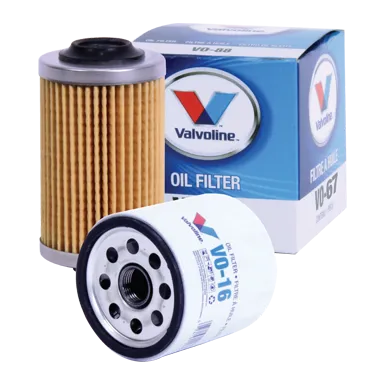
A product-category name does not remove application limits. The official Australian Multi-Fit spin-on filter page identifies a product category; the readable public page did not provide a vehicle-specific match in this review. The word Multi-Fit should not be interpreted as fitting every engine, every threaded mounting or every filter housing. Obtain the supported applications for the exact item. Likewise, a cartridge filter is a service element for an appropriate housing, not a substitute for a complete spin-on canister simply because both perform oil filtration. Keep the original filter reference, housing arrangement and any relevant engine changes together when requesting confirmation. If a catalogue offers several possibilities, identify the condition separating them before ordering. A different engine variant, build condition or equipment arrangement may require more information. Do not select the cheapest result merely to finish the search. Our guide to oil-filter interchangeability explains why physical attachment and a broad category name cannot settle every compatibility question.
Use a cross-reference as a lead that still needs checking. First establish that the starting number belongs to the correct filter for the vehicle. Copy its letters, digits, hyphens and suffixes from a reliable record rather than relying on a blurry marketplace photograph. Identify the publisher, market and revision date of any proposed interchange chart. Then ask the supplier of the proposed replacement to confirm its current application. Avoid chains that say one filter matches a second, which supposedly matches a third: the intermediate page may omit a qualification or describe a different product range. If two references appear to be an old and new number, request an explicit replacement explanation. Do not invent that relationship from their similarity. A useful answer names the actual item being supplied and the application for which it is supported. Without that confirmation, keep the number as a candidate rather than presenting it as a verified equivalent. This guide therefore does not supply an unverified table of Valvoline-to-other-brand substitutions.
Separate lubricant tools and technical sheets from filter fitment. Valvoline’s Canadian motor-oil page offers routes for vehicle-based product recommendations, while its Product Information Portal organizes technical sheets by region. A recommendation for an oil viscosity or formulation does not establish the required filter reference. Similarly, a lubricant technical sheet describes that lubricant; it is not automatically a parts catalogue or an installation procedure. When using these resources, read the product name, category, market and the exact claim the document supports. The oil bottle and filter can be purchased together without being interchangeable evidence. If your search keeps returning engine oil instead of a filter, change the question you send to support: specify that you need the engine-oil filter service part, give the known reference if any, and identify the engine. Do not assume selecting synthetic oil requires a particular filter brand or authorizes a longer service interval. Both lubricant suitability and filter application need their own appropriate confirmation.
Send an unresolved purchase question to product-fitment support. The Valvoline Global contact page distinguishes help with an existing order from help with product features or fitment. Use that distinction when deciding where to ask. Provide the vehicle details, proposed filter reference, country of purchase and the specific contradiction you found. For example, explain that one listing names the engine while another lists only the model, or that a supplied reference differs from the order. Ask whether the proposed item is currently supported for the actual application and whether it replaces the previous number. For a delivery or invoice problem, include the order identifier through the private support channel. Keep the reply with the purchase record. A focused request is easier to resolve than sending several unrelated cross-reference screenshots and asking which website is right. Do not post personal order details or a full VIN publicly when a supplier can receive the necessary information directly.

Credit: www.uslegalforms.com
Complete the lookup before treating the filter as ready to use
Confirm the delivered item and the service requirements. Compare the marked filter reference, box and invoice with the application answer you received. If they disagree, retain the packaging and ask for clarification before installation. Establish whether the order includes an element, a complete spin-on filter, required seals or a different oil-system component. A photograph containing several parts does not guarantee that all are supplied. Inspect the received item for obvious damage or contamination; a correct number does not make damaged stock suitable. Then obtain the applicable service instructions, including any engine-specific tightening and sealing requirements. This page is a lookup guide, not a universal oil-change procedure. It does not prescribe a turn count, torque, oil quantity or filter-prefilling rule. If a supplier cannot resolve a discrepancy, leave the part uninstalled and arrange confirmation from a qualified source. Preserving the evidence before dismantling the vehicle makes an exchange or technical discussion much easier than reconstructing the order after the old filter has been discarded.
Keep the final answer with the vehicle’s maintenance record. Save the complete reference, source of application confirmation, date checked and actual service date or mileage. That record distinguishes a verified choice from an old number remembered without context. At the next service, check for relevant catalogue changes instead of assuming a saved shopping link is permanently current. Follow the vehicle’s maintenance requirements; an oil-filter lookup does not create a universal mileage limit or prove that an operating symptom has been repaired. The separate filter service-life article addresses replacement timing without turning a product label into a guaranteed interval. Public resources were reviewed for this guide, including current regional pages and the service-record request route. No private service history was accessed, no customer vehicle was selected in a restricted system and no filter equivalence was invented where current primary application evidence was unavailable. A lookup is complete when the relevant supplier can connect the exact item to the actual engine, or the service centre can explain the record you asked it to identify.


Automotive reference information. Confirm specifications in the manual for your exact vehicle. Original replacement guides link to their research sources. About us