
Water on an intake filter and water drawn into an engine are not the same finding. The first calls for inspection of the intake; the second can cause serious internal damage. If the engine stopped during water exposure or ingestion is suspected, do not restart or keep cranking it.
Move people away from traffic and flood hazards first, then arrange recovery. Do not enter moving water to inspect the car. Tell the recovery service that water may have reached the intake, because “will not start” alone omits a crucial part of the incident.
This guide helps distinguish exposure from confirmed ingestion and organize the next assessment. It does not provide a water depth that is safe for every car or a DIY procedure for clearing cylinders.
What makes intake exposure different?
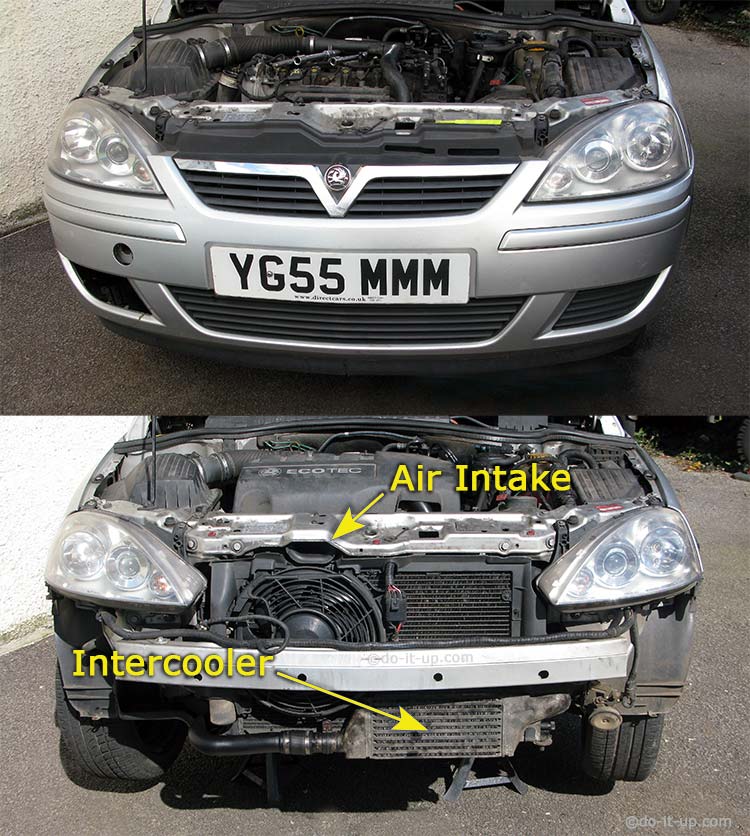
The installed intake path matters more than the label “cold air intake.” Identify where its opening and filter sit, whether factory shields are present, and whether the system has been modified. A relocated opening may face different splash or standing-water exposure from the original configuration.
A filter cover or splash shield should not be treated as permission to drive through floodwater. The intake is only one part of the vehicle that can be affected, and water depth and movement may be difficult to judge from the driver's seat.
Record the incident before guessing at damage
Useful details include whether the car was moving, whether the engine stopped abruptly, where water was visible, and whether anyone attempted to restart it. Record those facts while they are fresh; do not repeat the event for a better diagnosis.
A wet filter does not by itself establish that water entered a cylinder. Equally, drying the filter does not prove that the rest of the intake and engine are unaffected. Assessment must follow the path of possible entry rather than stop at the first visible wet part.
Rain splash, standing water and washing the engine bay are different exposure scenarios. Explain which occurred and whether the intake was assembled at the time. A disconnected duct changes the path that the technician needs to inspect.
For a modified system, provide its part number and installation instructions if available. Photographs taken before the incident may show the routing or missing shielding, without requiring anyone to dismantle a damaged vehicle at the roadside.
Ford owner manual: water entry and engine damage warns that water reaching the air filter can damage the engine. That supports caution after suspected entry, but the manual for the exact vehicle remains the authority for its operating limitations. A specification for another model does not establish a safe depth for yours.
Why restarting can make the situation worse
Liquid in a cylinder can prevent the piston from completing its normal compression movement. Attempting to force the engine to turn can cause damage. An engine that has stalled after immersion should therefore be assessed before another start attempt.
Rough running after exposure also needs investigation. Water, disturbed connections or other damage may be involved; the symptom does not identify the affected component. Do not keep the engine running simply to “dry it out.”
A workshop assessment may need to establish whether water passed beyond the filter, whether the engine turns as expected under the prescribed checks, and whether fluids or electrical equipment were affected. The sequence depends on the vehicle and the incident, not a generic restart checklist.
An engine that eventually starts is not automatically cleared of damage. Describe any earlier stall, abnormal sound or repeated cranking so that the technician can decide what further assessment is warranted.
Keep photographs and a written incident record for the repair discussion. Separate observed water locations from assumptions about internal damage; both underestimating and declaring the engine ruined without inspection can lead to poor decisions.

Credit: www.heeltoeauto.com
Before returning the vehicle to use
The repair should address the entry path as well as any damage found. Ask whether the intake is correctly assembled, the filter is suitable for further use or has been replaced, and the relevant shields and drains are restored according to the application.
Do not test the repair by driving through water again. The useful outcome is a documented assessment and restored intake installation, with any remaining uncertainty explained before the vehicle is returned to service.


Automotive reference information. Confirm specifications in the manual for your exact vehicle. Original replacement guides link to their research sources. About us