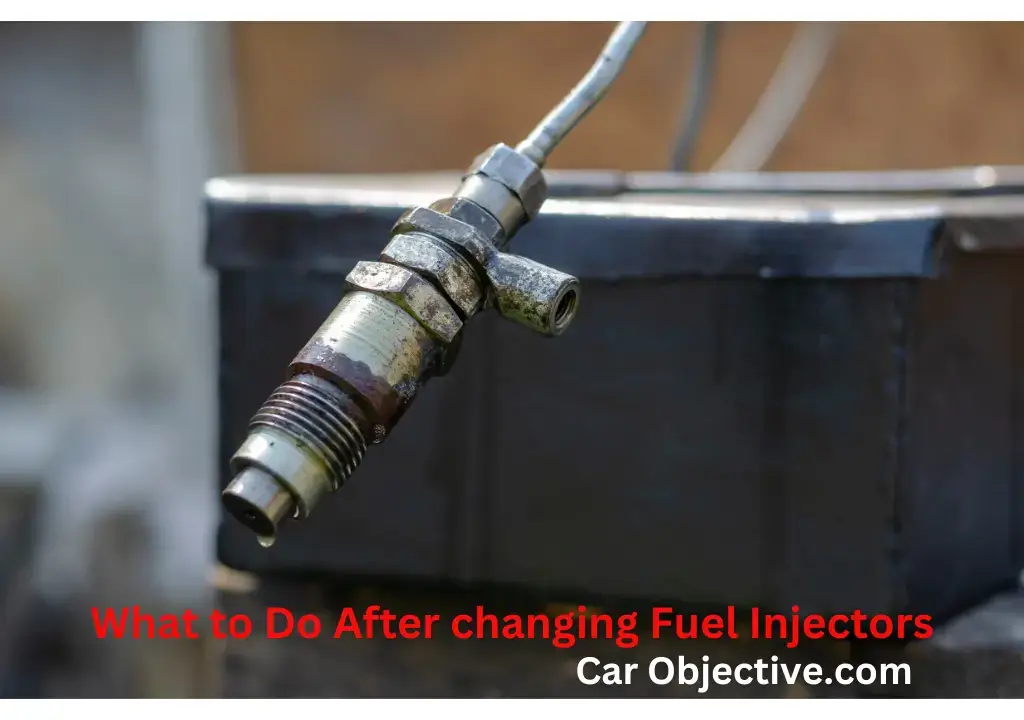

After changing fuel injectors, verify that installation is complete, any required coding or initialization has been performed, and the specified priming and leak checks have passed before driving. Then confirm that the original complaint is resolved. There is no universal battery reset, idle time or break-in mileage for every injector system.
If you smell fuel, see wetness around the repair, encounter severe rough running or see an urgent warning, stop the start-up or driving attempt and contact the repairer. Do not keep operating the engine to “let the injectors settle.”
The sequence depends on whether the engine uses port injection, gasoline direct injection or diesel common rail. Instructions for one system must not be transferred to another simply because both use injectors.
For an owner collecting a repaired car, the most useful task is to obtain a clear completion record. For someone doing the work, that record begins with the current vehicle-specific service procedure and appropriate equipment.
The checks below organize the handover; they do not replace pressure-release, tightening or electrical procedures.
Confirm these points before the first drive
Start with what was actually changed: injector position, part number, replacement quantity and the fault that justified the work. Distinguish a new injector from a reused unit that received a seal repair.
A repair can appear complete while an electrical connector, required configuration step or original contamination cause still needs attention.
- Confirm that installation and required service parts are complete.
Delphi’s common-rail servicing guidance emphasizes correct installation, cleanliness and manufacturer-specified tightening. Ask the workshop to confirm the applicable requirements were followed; do not re-tighten connections by feel after collecting the car.
2. Check whether this application requires coding
Delphi’s common-rail electrical guidance says to record a replacement unit’s correction code and enter it into the ECU where that procedure applies. Ask which injector positions and codes were entered. This is not a universal instruction to code every replacement injector.
Keep a copy of the scan-tool completion record when available. A part number identifies the product; an individual correction code can serve a different purpose. Do not substitute one for the other.
3. Confirm the prescribed priming and leak checks
Ask whether the system needs a specific priming routine and how leakage was checked. Repeated key cycling is not a universal answer, and a pump sound does not establish adequate pressure or leak-free installation.
Do not loosen a high-pressure connection to bleed air or use your hand to search for a leak. If inspection requires access to a pressurized system, use the prescribed safe method and qualified assistance.
4. Verify the original complaint
Compare the repaired vehicle with the reason it came in. If the complaint was a hot restart, a smooth cold idle alone is not a complete check. Agree on an appropriate verification condition without reproducing an unsafe fault.
Ask for the relevant pre-repair and post-repair fault-code records. Clear codes only as part of the applicable diagnostic procedure after preserving useful evidence; erasing a warning is not the same as correcting its cause.
There is no general requirement to wait 100 miles before checking the result. Follow the actual procedure and investigate a new warning or abnormal symptom promptly.
Our injector leak guide distinguishes external wetness from internal leakage and explains why a symptom does not identify the failed component.
If the engine runs badly after replacement
Report whether the symptom is new, unchanged or improved but still present. The distinction helps the workshop separate installation checks from an unresolved original diagnosis.
It cranks but will not start
Avoid repeated long cranking attempts. Have the repairer check the required priming, actual pressure, electrical connections and start authorization using the service procedure. Do not assume air is the only possibility.
It starts but misfires
Record any warning and when the misfire appears. Correct application, connector engagement, required coding and installation condition deserve review, but ignition or mechanical faults may also remain. A new injector is not proof that every fuel-related possibility has been eliminated.
The wrong cylinder appears in the report
Ask how cylinder numbering and injector positions were identified. A code or correction value must be associated with the position intended by the manufacturer, not a guessed left-to-right order.
The idle is rough and you are told to wait
Delphi / Hartridge’s discussion of coding explains why informal driving or listening checks cannot establish correct calibration across the operating range. Ask whether a required procedure remains incomplete before accepting “it will learn” as the explanation.
The warning light returns
Save the exact code and operating circumstances before clearing anything again. A returning code may describe a persistent circuit issue, an installation problem or a separate fault; it does not automatically condemn the new injector.
There is fuel odor or visible wetness
Stop using the vehicle and arrange assessment. Do not assume spilled fuel is the explanation without establishing the source. Avoid starting the engine for another look at a suspected leak.
The repair involved reused high-pressure pipes
Delphi’s pipe-replacement guidance calls for a new common-rail high-pressure pipe when it has been removed during system work. Check the applicable manufacturer procedure and ask the workshop to account for its parts choice; this is not an instruction to disturb the connection yourself.
The bill says “reset ECU”
Ask what operation was performed and why. Clearing fault codes, entering injector correction codes, resetting adaptations and installing control-module software are different actions. A battery disconnect is not evidence that a required coding routine was completed.
If the diagnosis or replacement scope remains unclear, the separate injector quotation guide lists the information to request before approving additional parts.
Plan start-up and follow-up around the exact procedure
The required sequence may include checks before pressurization, after priming, at start-up and after a permitted verification run. Establish those stages before attempting to operate the vehicle.
Use the specified priming method
Find the relevant instruction for the installed fuel system. If equipment or a scan-tool function is required, obtain that capability rather than replacing it with an internet key-cycling count.
Keep the result explicit: the required routine completed, the stated acceptance checks passed, and no unresolved leakage remained. “The pump made a noise” is a different observation.
Complete the prescribed leakage assessment
A dry-looking engine bay does not establish that every internal sealing function is correct. The tests should match the repaired fault and the service requirements, with invasive checks left to a competent repairer.
Observe the first start safely
Follow the manufacturer’s start conditions. Stop for leakage, strong fuel odor, severe abnormal running or the warnings specified in the manual; do not assume these are a normal consequence of fitting new injectors.
There is no generic fifteen-minute idle or fixed road-test distance that validates every repair. Any relearn or drive procedure must be applicable to that engine and performed only after safe operation has been established.
Recheck the result and retain the evidence
Request the final scan findings and any required follow-up inspection. Note whether the original fault condition was checked and whether the workshop identified an issue needing further diagnosis.
A successful first start is one observation. A complete handover should also account for the installation, configuration and fault-specific verification that the application requires.
If symptoms recur, record the time, engine temperature, warning and driving condition. Contact the workshop rather than changing settings or disconnecting the battery to conceal the evidence.
What to keep with the service record
Retain the invoice with exact part references and positions, required coding confirmation, the diagnostic findings and any follow-up instructions. Record whether the original contamination or electrical cause was addressed.
These records make a future complaint easier to investigate and help distinguish an incomplete repair from a new fault. They do not replace prompt attention to leakage or unsafe operation.


Automotive reference information. Confirm specifications in the manual for your exact vehicle. Original replacement guides link to their research sources. About us