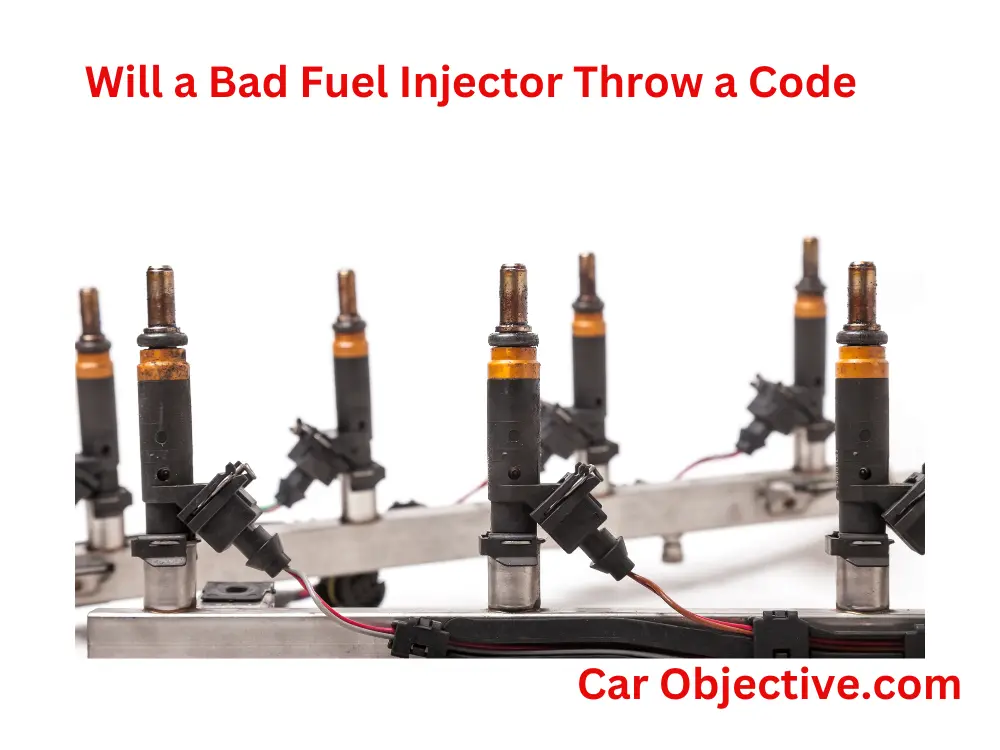

A bad fuel injector can trigger a diagnostic trouble code, but it does not always do so. The computer may detect an electrical circuit fault, a misfire or an abnormal fuel-control result. It may also lack enough evidence to set a code. A scanner result identifies a monitored problem; it does not automatically identify the part that needs replacing.
The useful question is not simply whether an injector can turn on the check-engine light. It is whether the recorded fault, the symptoms and a follow-up test point to the same cause. This distinction prevents replacing a working injector when damaged wiring, an ignition fault or another engine problem produced the warning.
Start by saving the complete scan report, including code status and any available freeze-frame data. Do this before clearing codes or disconnecting the battery. A photograph of one code description is helpful, but it can omit other faults that explain why that code appeared.
What the engine computer can actually detect
Different monitors answer different questions. Ford’s gasoline OBD operation summary documents separate injector circuit, misfire and fuel-system monitoring, with defined operating conditions. Its application-specific examples show why an electrically monitored injector and a mechanically restricted injector need not produce the same result. Do not copy its thresholds onto an unrelated engine.
Why an injector problem may appear without a code
An injector can have a delivery problem that is not captured as an injector circuit fault. For example, an electrical connection can operate while fuel delivery is unsuitable. Conversely, an electrical code can identify a circuit problem even when the injector itself is mechanically sound. Keep the electrical and fuel-delivery questions separate throughout the diagnosis.
- Check what was tested, when it was tested and what the monitor can detect.
An intermittent complaint may not be present during the scan. Note whether it occurs during the first cold start, after a hot soak, at idle or under acceleration. A smooth engine in the workshop does not disprove a reported fault, but the technician needs a reproducible operating condition rather than a guess based on the word “injector.” Consider two reports that both say “rough idle.” In one, the engine has a repeatable cylinder-specific misfire and a matching circuit fault. In the other, the scan succeeds but shows no recorded fault and the complaint occurs only after an overnight stop. These are different starting points. The first report supports investigating an identified circuit and cylinder; the second needs the symptom reproduced and measured before a component can be selected. Neither report justifies assuming that a bottle of cleaner is the missing diagnostic step.
A basic reader may also omit manufacturer-specific information or fail to display every code status. Confirm that it actually communicated with the relevant controller. “No codes” on a disconnected or unsupported scan is different from a successful scan that found no stored faults. Neither result is a direct measurement of injector flow.
Pending, confirmed and permanent are different statuses
A pending fault is useful evidence even when the warning lamp is off. A confirmed or stored fault must be interpreted with the vehicle’s diagnostic rules and history. A permanent emissions code, where supported, may remain after repair until the controller verifies the result. Its continued presence alone is not proof that the replacement immediately failed.
A code-free scan does not override a physical warning
Visible fuel leakage, a strong fuel smell, severe shaking or an engine that repeatedly stalls deserves attention whether or not a code exists. Stop operating an unsafe vehicle and arrange assistance. Do not continue driving merely to make the computer record a fault. Our leaking-injector guide separates observable warning signs from tests that require a workshop.
Which codes may be associated with an injector?
Use the full code and the definition for the vehicle, including any manufacturer-specific suffix. The following familiar examples describe different kinds of evidence. They are not a complete code list, and their order is not a replacement priority. Cylinder identification also comes from the engine’s service information, not from assuming which cylinder sits nearest the radiator.
P0201 and related injector-circuit codes: P0201 commonly identifies the cylinder-one injector circuit. Depending on the system, the diagnostic path may include the connector, harness, injector electrical characteristics and controller driver. A code naming that circuit does not distinguish those components by itself. Ask which measurement isolated the fault before authorizing an injector or module.
P0171 and P0172: these commonly describe a lean or rich fuel-system condition on bank one. They are not injector replacement instructions. Air measurement, intake leakage, fuel supply and other factors may affect the result. Do not group every number between P0171 and P0178 together as if all have the same meaning.
P0300: a random or multiple-cylinder misfire result establishes a combustion concern, not its cause. Fuel delivery is one possibility alongside ignition and mechanical problems. The relevant question is which cylinders and operating conditions are involved and whether the accompanying data support one diagnostic direction over another.
P0301 and other cylinder-specific misfire codes: these narrow the affected cylinder, but they still do not prove an injector fault. A technician may need ignition, compression and fuel-delivery evidence. Moving parts between cylinders is not a universal owner test; injector removal can involve new seals, controlled pressure release and application-specific installation requirements.
Manufacturer-specific delivery or contribution codes: some systems expose more detailed information than a generic reader shows. Read the exact manufacturer definition and applicable test sequence. Do not translate a diesel cylinder-contribution result into a generic gasoline injector-circuit diagnosis simply because both mention a cylinder.
For a useful repair discussion, record the code as printed, its status, the vehicle identification and the symptoms present when it set. Include recent injector work, refueling, battery disconnection or wiring repairs. This gives the repairer a timeline and helps prevent an old stored event from being mistaken for today’s fault. Keep the original scan and the post-repair scan separate. A code disappearing after deletion only proves that the stored record was cleared at that moment. Ask whether the conditions needed for the relevant monitor to run were achieved afterward. If the vehicle cannot safely reproduce those conditions, recovery and workshop testing take priority over a road test. This is particularly important when the initial complaint involved stalling or a strong fuel smell.
Turn the scan result into a diagnostic plan
A sensible plan starts with the complaint and the existing evidence, then chooses a test capable of distinguishing plausible causes. It should not begin with replacing every component mentioned in a search result. Ask the workshop to explain what finding would support an injector replacement and what alternative result would send the investigation elsewhere.
These five questions make a scan report more useful without requiring you to open the fuel system:
Was the complaint reproduced? A reported cold-start misfire and a warm-idle scan are not the same test. Note coolant temperature, engine load or elapsed time when available, but avoid assigning universal “normal” values. Our OBD2 live-data guide explains how to compare readings with the right operating conditions.
Was electrical integrity checked separately? Delphi’s common-rail electrical guide distinguishes several electrical measurements. Appropriate test equipment and injector-specific specifications matter. An acceptable resistance result does not establish spray quality, and an unsuitable resistance test can be meaningless on a different injector design. Avoid applying direct battery power to an unidentified injector.
Was fuel delivery assessed using the correct system procedure? Delphi’s service guidance separates fault-code reading from injector and pump assessment. A documented pressure or return-flow test should name its conditions and interpretation. Do not loosen a high-pressure fuel connection to look for a spray; that is neither a safe nor a controlled diagnostic comparison.
Were other causes evaluated? Ask how an ignition problem, mechanical cylinder fault, shared fuel-supply problem or wiring defect was distinguished from an injector fault. This does not mean every possible test is always necessary. It means the chosen tests should explain the actual evidence, especially when several unrelated parts have already been replaced. For example, a quote that says “P0301, replace injector one” leaves a gap between the observation and the proposed part. A useful explanation would identify why the injector was selected over the other causes of that cylinder’s misfire. You do not need to prescribe the workshop’s exact test; you need a result that answers that question.
How will the repair be verified? Agree on a repeat of the original complaint conditions, a follow-up scan and any relevant measured checks. A cleared warning lamp alone is not a completion test. Likewise, waiting for a permanent code to clear should follow the manufacturer’s rules rather than repeated blind resets.
When to stop driving rather than collect more codes
A flashing engine warning lamp can indicate a damaging misfire; Ford’s warning-light guidance specifically links blinking to potential catalyst damage. Follow your own vehicle’s instructions and stop safely if the engine runs severely rough, loses power or smells of fuel. A scan tool is useful for recording information, but it is not permission to keep driving an unsafe engine.
The decision is therefore evidence-led: a code can help locate a monitored fault, while a no-code result leaves some failure modes unresolved. Match the scanner findings to the symptom and a suitable test before buying an injector. For a vehicle that will not start, use the no-start triage guide rather than trying to bypass the suspected fault.


Automotive reference information. Confirm specifications in the manual for your exact vehicle. Original replacement guides link to their research sources. About us