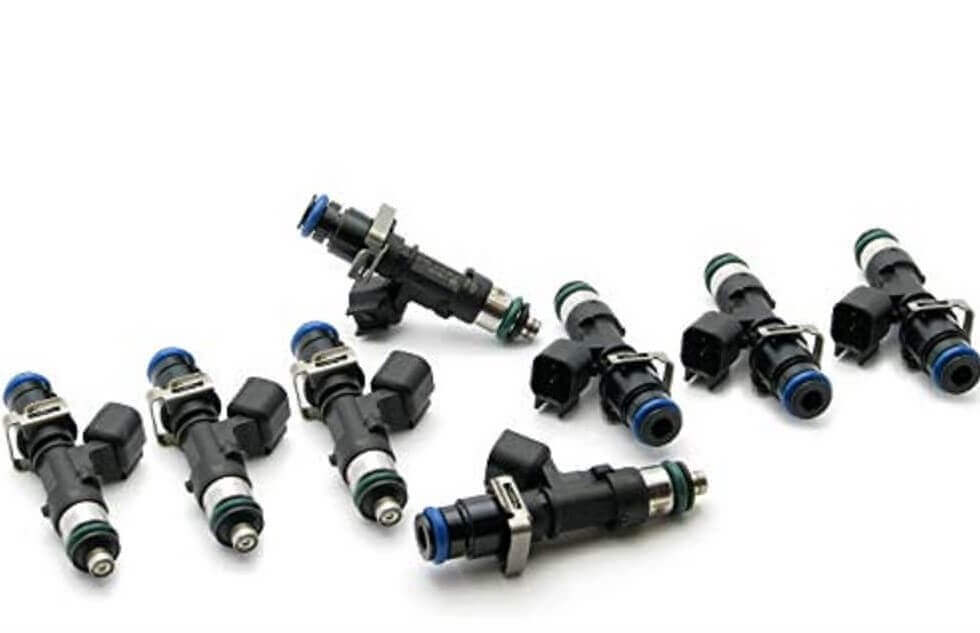

Fuel injectors are not universal. Two units can share a connector or fit the same opening yet deliver the wrong amount of fuel, use different electrical control or require different sealing and calibration. A replacement is suitable when the application and current part reference match—not simply because it looks like the old injector.
Some injector part numbers legitimately serve several vehicles, and manufacturers may replace an older number with a newer one. That is documented interchangeability, not universal fit. This guide explains which details to confirm with a parts supplier and which claims need more evidence before you open a sealed package or dismantle the engine.
Start with the injection system, not the connector
Bosch’s port-injection overview and its direct-injection description identify different fuel-delivery locations and system arrangements. A gasoline port injector meters fuel upstream of the combustion chamber; a direct injector delivers into it. A diesel application adds another set of design requirements. Never treat a shared brand name or cylinder count as proof that injectors can be exchanged.
The compatibility details that must agree
Build a parts record before comparing offers: VIN, model year, market, engine code, fuel type, current injector number and any relevant engine modifications. Registration year alone may not establish production specification. An imported vehicle, replacement engine or modified fuel system can make a familiar catalog shortcut unreliable. If the information conflicts, resolve the conflict rather than ordering the cheapest listed option.
Application and production specification
The same model badge can cover several engines and running changes. A catalog may ask for a production date, chassis range, emissions version or engine suffix because that detail changes the part selection. Supply those details to the seller and retain the written application match. “Fits this model” is less useful than a confirmed match to your actual engine and production range. A useful example is a model offered with both a naturally aspirated engine and a turbocharged engine. The model name alone cannot establish that their injectors are the same. Another is a vehicle whose engine has been replaced: a catalog tied only to its registration details may describe the original configuration. Tell the supplier about the replacement and have the installed engine identified. These examples show why adding more precise application information is preferable to collecting more photographs of similar-looking parts.
Part number, suffix and supersession
Read the complete number rather than matching its first digits. Ask whether a proposed replacement is a direct supersession, a cross reference from a reputable catalog or merely a seller’s suggestion. A supersession may come with installation notes or associated parts. The existence of a newer number does not establish that every visually similar older version is interchangeable with it. Keep a record of who supplied the cross reference and when. If the seller claims the number has changed, ask for the replacement relationship rather than deleting the old number from your notes. That makes a later fitment disagreement easier to resolve. Check whether the supplied box, injector marking and invoice agree before installation; a correct catalog selection does not rule out a packing or fulfillment mistake. Stop if the product identification cannot be reconciled.
Fuel, pressure and sealing environment
The injector must suit the intended fuel and the engine’s operating system. Its mounting, seal arrangement and nozzle position also matter. A unit that physically seats is not necessarily approved for the operating pressure or combustion environment. Do not modify a seal, add an improvised spacer or force a connector to make a mismatched part appear to fit. Installation accessories deserve their own check. Determine which seals, retainers or other components are supplied and which must be ordered separately under the service procedure. A package containing an injector does not necessarily contain everything needed to install it. Reusing a component simply because a new one was not in the box is not a fitment decision. Obtain the required parts and instructions before beginning work that would leave the vehicle dismantled.
Flow, spray and electrical control
A flow figure needs context: measurement pressure, test fluid, operating conditions and units. Equal advertised flow alone does not demonstrate equivalent behavior during short pulses or changing loads. Electrical requirements and spray characteristics also need to match the application. Treat a marketplace listing that gives only a flow number and connector photograph as incomplete fitment evidence, not as a finished engineering specification. When comparing two data sheets, check that they describe the same test conditions. One listing may state a flow in volume per minute while another uses mass per hour; even a unit conversion can require information about the test medium. Do not use an online converter as a substitute for an approved application match. For a standard replacement, a reliable catalog reference is usually the relevant purchase evidence, whereas an engineered modification needs much more complete characterization.
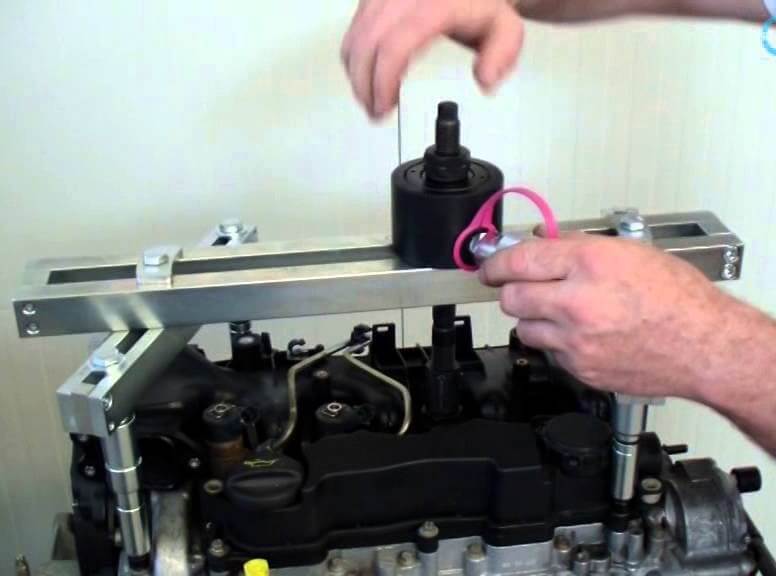
A practical replacement verification sequence
Use the following checks before installation. They work best as a written record shared by the buyer, supplier and repairer, so each person is confirming the same vehicle and part. If a catalog leaves an important condition unresolved, pause the purchase or ask the supplier for a documented clarification. A return policy cannot compensate for damage caused by fitting an unsuitable injector.
1. Identify the engine actually installed
Start with the VIN and engine identification, then check whether the engine or fuel system has been changed. The owner’s handbook may describe fuel and maintenance requirements without listing a service injector number. Use the manufacturer’s parts information or a qualified supplier for that reference. Record the original number where accessible without unnecessary dismantling, but do not assume a previously fitted part was correct.
2. Confirm the exact replacement reference
Ask the supplier to state the proposed part number, applicable engine and any superseded number it replaces. Check quantity: one injector, a set, seals or a kit are different purchases. Clarify whether the item is new or remanufactured and whether the advertised price includes a refundable core charge. Our injector quote guide explains why these distinctions change an apparently simple price comparison. A low price can reflect a different quantity, missing installation items, a returnable core requirement or an entirely different specification. Compare the written scope before assuming that a cheaper item is an equivalent replacement or a more expensive item is automatically better. Ask what happens if the application supplied by the seller is wrong, and settle the return requirements before fuel exposure or installation could change eligibility. Retain the supplier’s application confirmation with the invoice so future servicing starts from a documented part history rather than another visual guess.
3. Resolve coding and installation requirements
Coding is application-specific. For example, Delphi’s C7, C13 and C15 information requires the supplied individual trim code to be installed for those injectors. That example is not a rule for every gasoline or diesel engine. Ask the repairer which procedure applies to your part, what equipment it needs and how the code is assigned to the correct cylinder.
4. Evaluate a “universal” or performance claim separately
A performance injector sold across many applications may be intended for a deliberately modified engine with suitable hardware and calibration. That does not make it a direct replacement for a standard road car. Larger advertised flow is not automatically an upgrade: the controller must meter the intended fuel quantity under the actual operating conditions. Without documented compatibility and a complete installation plan, choose a verified service replacement instead. A connector adapter only changes how connectors mate; it does not certify the injector’s fuel delivery, sealing or electrical suitability. Similarly, fitting an injector into a modified rail does not establish that the vehicle’s controller can operate it correctly. Keep a performance conversion separate from a maintenance purchase, with its own documented engineering and calibration responsibility. Do not ask a routine replacement seller to stand behind a modification they did not specify.
Questions to settle before fitting the part
Can injectors from another vehicle work? Yes, if an authoritative application reference establishes the same suitable part or an approved replacement relationship. Can a matching plug prove compatibility? No. Can a calibration code make the wrong hardware correct? No; coding and fitment address different requirements. Can you mix old and new units? The acceptable combination depends on the engine’s service rules, part revisions and diagnosis, not a universal rule to replace all or only one. If one injector is confirmed faulty, request the reason for the recommended replacement quantity. A shared age does not itself prove that all units have failed. Equally, replacing only the obvious failed unit may be incomplete if the service findings identify a broader contamination problem. Compatibility and the number of parts to replace are separate decisions; both should be explained in the repair record.
Before authorizing work, request the fitment reference, seal and pipe requirements, coding decision and final verification plan. Delphi’s common-rail service guidance emphasizes controlled installation practices; use the procedure for your actual engine. After fitting, the post-replacement checklist helps you discuss leak checks, scan results and the original symptom. A successful start alone does not validate an undocumented substitution.


Automotive reference information. Confirm specifications in the manual for your exact vehicle. Original replacement guides link to their research sources. About us