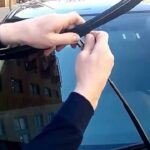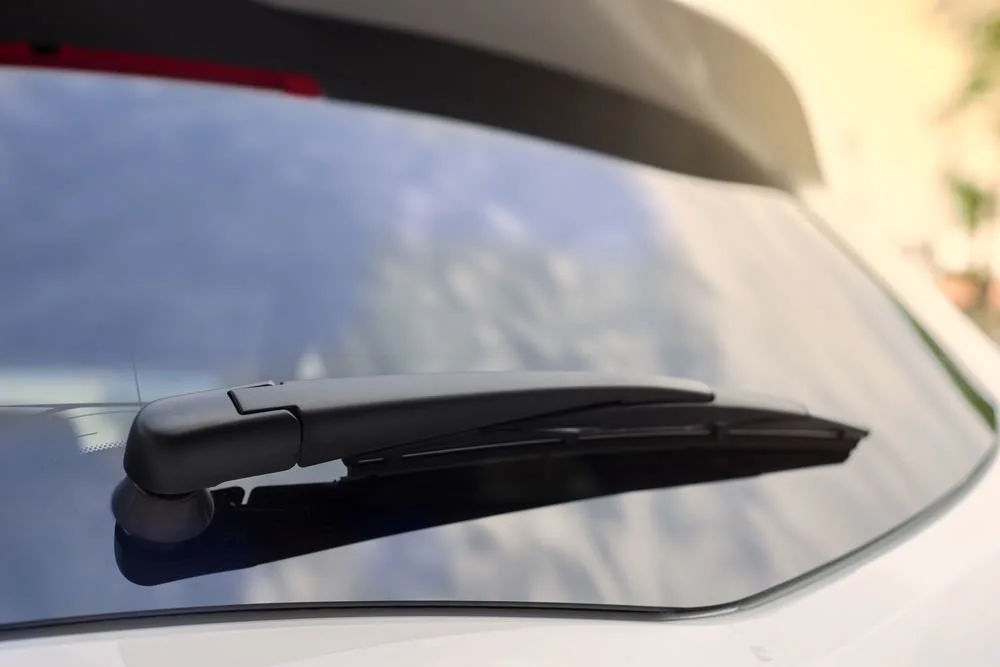

Front and rear wiper blades perform the same basic job, but they are not automatically interchangeable. Buy for the specified position on the exact vehicle. A similar length, matching brand or familiar-looking clip does not establish compatibility. A manufacturer could list the same part for more than one application; that documented listing, rather than appearance, is what would justify using it.
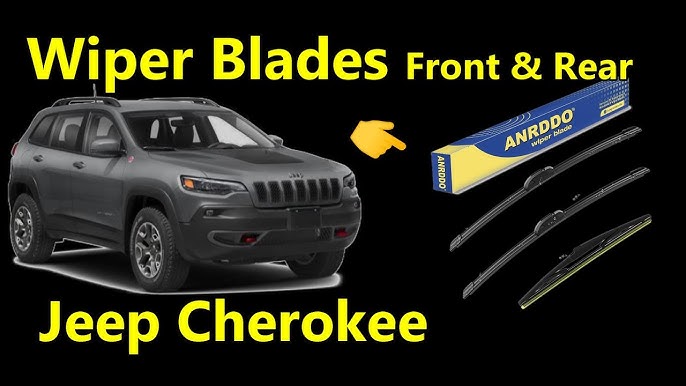
The practical question is whether the complete blade fits the arm, follows the glass and moves through its intended sweep without interference. Front and rear assemblies can differ in all of those respects. Treat the driver-side front, passenger-side front and rear as separate entries when ordering, even if a retailer presents them together as a convenient three-piece kit.
This distinction also helps when a rear wiper starts streaking just after you replace the fronts. The rear blade did not receive new rubber simply because the front pair did. Inspect its own condition and identify its own part. The comparison below explains what can be shared, what needs checking separately and which assumptions tend to cause a wrong purchase.
Credit: www.rainx.com
Compare three positions before comparing brands
Begin with the vehicle details the manufacturer’s parts lookup requests. Body configuration can matter: a familiar model name does not prove that every version has the same rear-window equipment. Use the relevant market and model year, and resolve any production split or equipment note. Keep the resulting position labels attached to the part numbers rather than recording only a set of lengths.
A useful shopping list contains one line for each fitted position. This prevents a seller’s photograph of a front pair from being mistaken for a complete vehicle set. It also makes omissions obvious before installation begins. The table is a way to organize the lookup results; it does not supply universal dimensions or imply that every car has three blades.
| Position | Information to confirm |
|---|---|
| Driver-side front | Vehicle application, specified part and attachment |
| Passenger-side front | Separate position listing and any paired-set instructions |
| Rear, when fitted | Rear application, connector and access procedure |
Why a rear blade can need a different connector
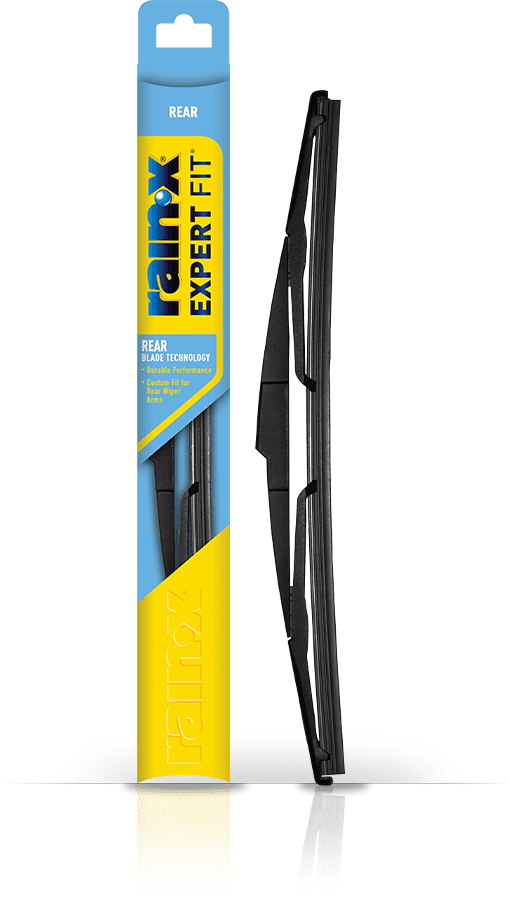
TRICO’s ExactFit Rear range illustrates the distinction: its rear replacements use preassembled connectors selected for the vehicle’s wiper arm. That product description is not permission to install any rear blade on any car. The relevant part must still appear in the application results. A blade that nearly clips in, or that needs an improvised spacer to stay attached, has not passed that check.
Do not mistake a plastic rear-arm cover for a universal release tab. Identify the joint between blade and arm from the correct instructions. Pulling the whole assembly because the connector is hidden can load parts that are not meant to move that way. If you cannot identify the release, obtain the fitting guide or ask an installer before applying more force.
The front pair may differ from each other too
“Front” is a location category, not a guarantee that the two front parts match. For a documented example, the 2020 Ford Edge US/Canada manual, third printing lists WW-2755 for the driver’s front blade, WW-2760 for the passenger’s and WW-1414 for the rear in its Motorcraft parts tables. These are historical application references, not current ordering advice for another Edge. The example shows why all three positions deserve separate identification.
Length identifies only one feature
A shorter rear blade is a familiar arrangement, but “rear equals short” is not a selection method. Two assemblies of the same nominal length can have different fittings and profiles. Nor does a front blade become a suitable rear replacement when cut down. Our guide to identifying the longer front blade explains how position-specific dimensions should be confirmed without treating a measurement as the whole specification.
Window shape and available space still matter
The rear assembly must work in its own installed location. Consider the specified blade as a complete shape, including its connector and cover, rather than only a strip of rubber. Clearance near trim and the resting position cannot be established by holding a loose front blade against the rear glass. A physical comparison can reveal a mismatch, but it cannot certify an unlisted substitute.
Rear does not mean weaker rubber or lower quality
There is no sound basis for assigning every rear blade a softer rubber compound or a shorter service life just because of its position. DENSO’s rear-blade description identifies natural rubber and says its rear products follow the same OE quality standards as its front range. This is a statement about that manufacturer’s range, not a laboratory ranking of all blades. It directly challenges the idea that rear position necessarily means inferior construction.
Material, frame style and location are different attributes. A product can use a particular rubber formulation while being designed for a specific rear connector; another may use similar wiping material in a front assembly. Compare the stated features of the actual parts you can fit. Avoid paying extra for an alleged material difference that the manufacturer has not identified in the relevant product information.
Read “universal” as a coverage claim, not a fit guarantee
TRICO’s Rear product page describes a universal rear line while also providing different sizes and searches by vehicle or arm type. The important distinction is between a product range serving multiple applications and one individual blade serving every application. A broad label on a display does not eliminate the need to choose the correct reference within that range.
When a listing is ambiguous, ask the seller to confirm the exact vehicle, rear position and part number in the manufacturer’s catalog. An answer such as “it should fit most hatchbacks” leaves the core question unanswered. Our broader wiper-blade fitment guide explains the checks that apply across blade styles. For a front-to-rear substitution, obtain explicit application evidence before opening the package.
Credit: www.youtube.com
Installation instructions can differ on the same vehicle
The same Ford manual separates the front and rear replacement procedures on printed page 293. Its front procedure identifies locking buttons; its rear procedure uses a different illustrated removal sequence. Do not turn either example into instructions for your car. Use the applicable manual and blade guide together, particularly where an arm cover or restricted lifting angle makes the connection difficult to see.
DENSO’s replacement guidance emphasizes correct fixings, controlled handling of the arm and checking the result on wet glass. Before work, follow the vehicle’s instructions for disabling operation and obtaining any required access position. Keep control of a spring-loaded arm and do not let it strike the glass. Stop if a connector will not engage as instructed; modifying a latch is not a reasonable way to finish an uncertain installation.
Assess front and rear condition independently
Replacing the front pair can be a convenient reminder to inspect the rear, but convenience does not establish that all blades have identical wear. Look at each wiping edge and its own clearing performance. A rear blade may have damage that the front pair lacks, or it may still work properly. Base service on the vehicle guidance, product condition and symptoms rather than an invented front-versus-rear lifespan ratio.
Separate a dirty screen from a damaged blade
DENSO lists contamination, wear and deformation among possible rear-wiper faults. Start with cleaning permitted by the vehicle and product instructions, then reassess while safely parked. A torn edge or damaged connector needs appropriate replacement, while persistent poor contact may need professional diagnosis. Do not bend the arm to make a front blade behave like a rear one, or use aggressive abrasives to conceal a fitment problem.
Check operation before relying on the replacement
After correct installation, carry out the prescribed stationary wet-screen check with people and tools clear of moving parts. Watch the rear blade separately from the front pair. Confirm that it remains securely connected and moves normally without hitting surrounding components. If movement or attachment appears abnormal, switch it off and resolve the fault. A rear camera, where fitted, does not prove that the rear wiping system is working.
Compare the actual purchase, not a generic price chart
A front kit containing two assemblies and a rear package containing one are not equivalent quantities. Compare the total parts required, installation assistance if needed, and whether a listing contains a complete assembly or only a replacement insert. A rear part can have a specialized connector despite its smaller package. Position alone cannot predict which purchase will cost less at your supplier.
There is also no requirement established by color or packaging to buy the same brand for every window. What matters is an approved application and compliance with any relevant pairing or installation requirements. Conversely, buying three products from one brand does not make them compatible with your car. Ask for the fitment evidence first, then compare documented features and the complete price.
Use these questions to make a parts-counter conversation concrete. They are especially helpful when you are replacing only the rear while the fronts already work well. Record the supplier’s answer with the receipt so the next service does not start from a vague description such as “the little one at the back.” Keep any supplied fitting instructions for the actual connector.
| Question | Front pair | Rear blade |
|---|---|---|
| Which location does this part cover? | Confirm driver and passenger positions | Confirm rear-window application |
| What exactly is supplied? | Single blade, pair or approved insert | Complete rear assembly or approved insert |
| Which fitting guide applies? | Correct front arm and adapter | Correct rear arm and connector |

Credit: www.amazon.com
Make the comparison useful at the next service
Keep a position-by-position record of successful replacements, including the exact product references and application information. This is more useful than a photograph of three boxes after their labels have been discarded. If a supplier later recommends a different part, you can ask whether it is a documented supersession rather than assuming that an old order must always be repeated.
Routine care still matters after the right parts are fitted. Follow the appropriate cleaning and winter-use instructions for both windows, and investigate deteriorating clearing promptly. Our guide to reducing avoidable wiper wear covers those habits. The answer to interchangeability remains specific: front and rear blades share a purpose, but only confirmed application data establishes whether a particular assembly can serve both positions.


Automotive reference information. Confirm specifications in the manual for your exact vehicle. Original replacement guides link to their research sources. About us