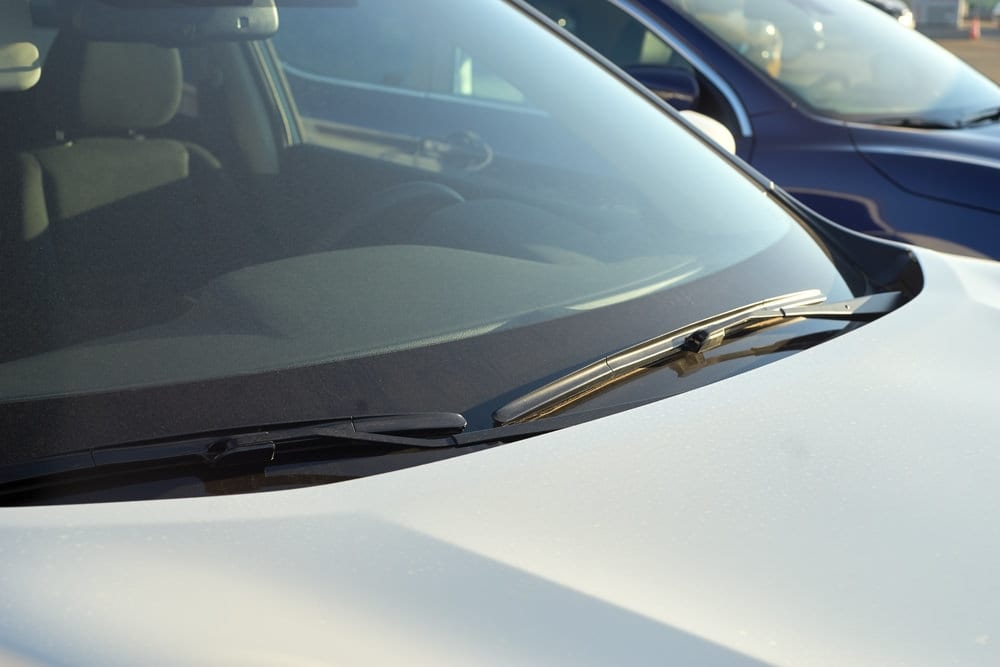

The driver’s wiper may be the longer front blade, but use your vehicle’s specified pair to decide. Do not assign the longer blade to a side from memory, the size of the vehicle or a general rule on a package. Read the position and part information for your exact application, then compare the two blades. If the specified lengths are equal, neither is longer; if the instructions identify different parts, keep their positions separate even when they look similar.

Credit: www.facebook.com
A documented size pair answers more than a general rule
Tesla’s current North American Model 3 manual provides a concrete example: it lists a 26-inch driver-side blade and a 19-inch passenger-side blade for the vehicles covered by that manual. It separately requires a matching connector. This identifies the longer blade for that application; it is not a size recommendation for another Tesla model, another production generation or your car. The useful purchasing information is the complete pair with positions, not just the larger number. Check the manual edition and vehicle details before using an example found online.
Read position, size and application together
A size chart organized only into sedan, SUV and truck is too broad to order from. The relevant listing identifies the vehicle, production details where required, and the blade’s location. Also distinguish the front pair from any rear-window blade. When asking a supplier for help, say which position you need and give the model year rather than simply requesting the longer wiper. The following is a record to complete from your application information, not a table of universal blade sizes.
| Position | Length to record | Other information needed |
|---|---|---|
| Driver-side front | Use the applicable specification | Complete part number and fixing |
| Passenger-side front | Check separately from the driver side | Complete part number and fixing |
| Rear, if fitted | Look up the rear application | Rear-specific part and attachment |
Use measurement to check an identity, not invent one
Measuring an installed blade can help explain a discrepancy, but it establishes what is on the vehicle, not what ought to be there. A previous replacement may already be wrong. First photograph or note the part markings and check the application listing. Only inspect or lift the arm using the vehicle’s prescribed access position, with the wipers switched off. You should not have to bend an assembly straight, release spring tension or dismantle the mechanism merely to decide which blade is longer.
- Label the location first. Write driver-side front, passenger-side front or rear before recording a number. Follow any left/right convention stated by the catalog; do not identify sides from a photograph taken facing the car. Keep the old blade associated with its location if removal is already part of an approved replacement procedure.
- Record what was measured. Distinguish the blade assembly or wiping insert from the metal arm that moves it. Record the units and any marked nominal size. A tape measurement is a cross-check rather than a reason to round to whichever package is available. Avoid pulling or flattening a curved blade against its intended shape.
- Compare the evidence. Put the measured observation beside the manual or manufacturer application result. If the pair disagrees, pause the purchase and ask the supplier to confirm the vehicle configuration. Resolve which information is wrong instead of preserving an undocumented size simply because the current blade has been attached for years.
Nominal dimensions can be presented in inches or millimeters, and a refill listing may use a different naming convention from a complete assembly. TRICO’s refill information distinguishes several profiles and expressly identifies particular series measured in millimeters. That is another reason to retain the full part reference. Do not turn a small difference between a ruler reading and an advertised size into an independent compatibility decision. A supported application matters more than a homemade conversion between product labels.
What unequal lengths tell you about the wiping system
The two blades work within a designed movement pattern over curved glass. Their attachment points, shapes and clearances matter alongside the distance from end to end. DENSO describes checking both swept coverage and geometry during development, including avoiding contact between a blade and a wiper arm. This explains why assessing only the longest possible strip misses the real engineering question. A longer piece of rubber that does not follow the intended surface or movement is not automatically useful extra clearing.
| Observation | What it establishes |
|---|---|
| Different specified lengths | Each position needs its listed length |
| Matching lengths | Length alone cannot identify a complete part |
| Different product codes | Check the code and location before interchanging |
Resolve catalog differences before ordering
Two search results can refer to different equipment or different markets while showing the same model name. For example, the cited Ford Galaxy/S-MAX technical-specification page gives a different right-hand blade dimension depending on whether the covered vehicle has autowipers. Treat that as a specific example of a fitment condition, not a rule for every Ford or every rain-sensing system. A retailer’s simplified listing may omit a condition that the manufacturer considers important.
- Check the vehicle entry. Confirm the model year, body configuration, original sales market and any production or equipment distinction requested by the lookup. On an imported car, a local registration date may not identify the correct catalog version. Supply the vehicle identification number to an appropriate parts specialist when the result remains unclear.
- Check what the package contains. A front set can contain two specified blades, while another listing is for one position only. Verify both part references rather than assuming two packages with the same branding form the required pair. Keep driver and passenger labels visible until the replacement is complete.
- Check more than size. The connection, permitted position and any application notes still need to match. Our guide to wiper-blade compatibility explains the broader fitment decision. If a listing says only a length and a generic vehicle category, obtain better information before opening the package.
A supplier should be able to explain a suggested substitute as an approved application, not merely a nearby length. Ask for the exact manufacturer reference and its fitment notes. If the supplier proposes changing both front sizes, clarify why the new pair differs from the vehicle information and obtain a documented answer. Do not test an uncertain choice in traffic. Returning an unopened wrong part is less disruptive than finding that two fitted blades interfere when rain begins.
Credit: www.walmart.com
Why buying a longer blade is not a coverage upgrade
The uncleaned corners of a windshield are not an invitation to increase blade size. Some areas lie outside the designed sweep, and seeing a gap does not identify its cause. A wrong installation, contamination, damage or a mechanism problem needs its own diagnosis. Changing blade length can introduce a different problem while leaving the original one unexplained. Start with whether the specified parts are fitted correctly before considering any product change.
Checks that can confirm a correct replacement
- Secure installation and normal travel. DENSO’s replacement instructions emphasize application checks, the correct fixing method, control of the arm and a final wet-screen operational check. Follow the actual vehicle and blade procedure. If the connector resists, stop rather than modifying it; if operation causes contact or abnormal movement, switch off and investigate.
- The intended area clears effectively. Evaluate the result while safely parked and according to the service instructions, with hands clear of moving parts. A secure blade that leaves a persistent band may need assessment of the glass, edge or arm. Our wiper-chatter guide covers noise and jumping without using an unverified longer blade as a repair.
Shortcuts that leave the size question unresolved
- Swapping sides to see what happens. Similar connectors do not establish that the opposite position is permitted. A quiet movement while parked is not a full application check. Use the correct position information before operation, and have damaged or altered arms assessed rather than changing their angles to make a questionable pair clear each other.
- Buying by the old rubber alone. A worn, shortened or previously mismatched insert can mislead the next purchase. A refill also has profile and retaining requirements. Compare the specified assembly and approved refill options rather than trimming a complete blade or forcing an insert into an unsuitable frame. Record a confirmed size only after the part and location agree.
Keep the confirmed pair for the next service
Once the correct blades are installed, retain the part numbers and their assigned locations with the vehicle records. Note the manufacturer and catalog application, because a bare number such as 26 does not identify the connector or product. This makes the next replacement easier even if somebody else services the car. It also separates a genuine later part substitution from a mistaken repeat order. For routine care after fitment is settled, see preventing avoidable wiper wear; maintenance should not depend on continually experimenting with dimensions.
The longer wiper is the one identified by the correct vehicle-specific pair, which can be confirmed before any blade is removed. Treat driver-side length as an application fact rather than a rule shared by all cars. Keep the dimensions, position and full part identity together, and use measurements to investigate uncertainty. This approach answers the original size question without promising that extra length improves visibility or claiming to have tested a different pair on your vehicle.


Automotive reference information. Confirm specifications in the manual for your exact vehicle. Original replacement guides link to their research sources. About us