
A basic OBD2-only scanner should not be assumed to read OBD1 codes. Some combined tools support selected older systems, but they need the correct vehicle coverage, software and connection accessories. A cable that changes the connector shape does not automatically add those capabilities. Before buying an adapter, identify the older vehicle's exact diagnostic system and check the scanner manufacturer's application list.
The answer can differ by make, model year, engine and market. OBD1 is a broad label for earlier manufacturer-specific arrangements, not a single universal protocol that every modern reader can understand. This guide explains how to evaluate a claimed combination without providing improvised pin-jumping instructions. The purpose is to obtain a reliable record from the correct system, not to force an unfamiliar tool to communicate.
If the vehicle has been modified or fitted with a different engine controller, its current electronics may matter more than the original model badge. Tell the tool supplier about that before ordering equipment. A supported combination should be documented clearly enough that you know which connector, menu and procedure apply before attaching the tool.
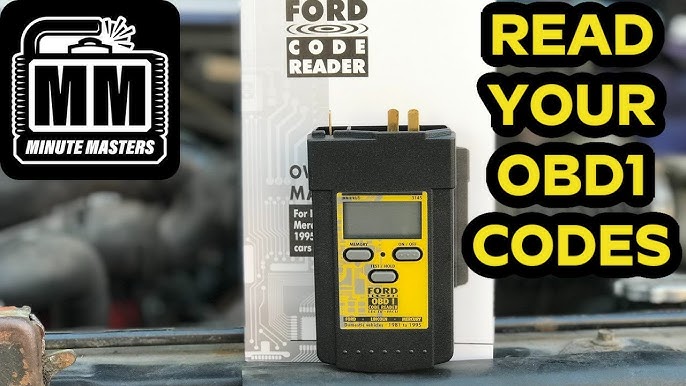
Credit: www.youtube.com
Check the system, tool and accessory as one combination
Start with the vehicle's service information. Identify the diagnostic connector and the controller or system being tested. Do not decide solely from the car's age or from a photograph of a socket. Some transition-era vehicles can present more than one diagnostic connection or a physical connector that does not tell the whole story. Market requirements also varied, so a rule described for vehicles sold in one country should not be applied worldwide without verification. Innova: 3120 OBD2 and OBD1 reader manual separates its older-system application lists and procedures by manufacturer. That is a useful illustration of why OBD1 support is specific rather than generic.
The manual is evidence for the described tool and applications, not permission to use its procedure on every older car. A modern reader advertised as OBD2 and OBD1 may include only selected makes or engine systems. Ask for the application list that names your vehicle and the function you want. Reading an engine code, displaying live data and accessing another module are different promises. A tool may retrieve codes from an older system without offering all the live or advanced functions available on newer vehicles. Innova: 5510 Chrysler OBD1 coverage and accessory limits explicitly distinguishes some OBD1 capabilities from the same tool's OBD2 functions. Do not assume that a feature highlighted on the front of the box applies in every diagnostic mode.
Next identify the required lead or adapter. It should be the accessory specified for that reader and vehicle system. A connector with a similar appearance or a marketplace title containing the right brand name is not sufficient evidence. Ask whether the accessory is passive, whether it has a defined connection sequence and whether separate power is required by the documented setup. Do not improvise an external power feed to make a reader turn on. Power requirements can differ from the familiar OBD2 arrangement, and the manufacturer's instructions should resolve them. Innova: connecting scanners to OBD1 and OBD2 vehicles explains that selected tools and separate accessories are needed for supported older applications.
The adapter and scanner must be treated as a supported pair. A cable cannot create a code database, a protocol interpreter or vehicle-specific test logic that the reader does not contain. It also cannot guarantee that an app intended for an ELM-style OBD2 adapter will understand the older system. The phone connection and vehicle diagnostic compatibility remain separate issues. If a seller says that any OBD2 scanner works with its conversion cable, request a manufacturer reference that confirms the exact combination. Avoid using trial and error at the connector as a substitute for that answer. Wrong assumptions about pin function can create electrical problems.
Do not bridge terminals or attach test lights based on an unidentified diagram. A proper older-system procedure may use a particular test mode, connector or sequence, but those details belong to that application and should be followed from verified service information. Some systems have self-test behavior that differs from a modern generic code read. The engine state and preparation conditions can matter to the result. An owner should not transfer a key-cycle or lamp-flash method from one make to another just because both are called OBD1. A displayed number must also be interpreted using the correct system's definitions. An older numeric code is not automatically the same as a modern alphanumeric code with similar digits.
Do not search a number without the make, year and diagnostic context and then buy the first component named in a result. Save the exact sequence or display and the procedure used to obtain it. If the tool provides a description, confirm that the correct vehicle selection was entered. A wrong menu choice can produce an irrelevant definition even when some communication occurs. Code retrieval remains a starting point. An older controller can report a condition that has several possible causes, and it may not monitor the mechanical problem you are investigating. A clean result cannot certify the whole vehicle.
If the tool does not connect, document whether it powers up, whether the correct adapter is present and which stage fails. Do not confuse a lack of communication with a lack of faults. A repairer familiar with that generation may be able to obtain information using the correct equipment, or determine that a different test is needed. For a modified vehicle, include the installed controller identity, harness changes and any aftermarket management system. A stock application table may no longer describe the car. This does not justify bypassing the documented connection; it means the documentation needs to match the installed system. If the only available support is an old forum diagram with no clear application, pause and obtain a reliable reference.
An inexpensive adapter is not a bargain if its compatibility cannot be established. For someone maintaining several generations of vehicles, a combined tool can be convenient, but verify each older application independently. Success on one manufacturer's system does not establish support for another. OBDLink: adapter and vehicle compatibility FAQ provides another example of market and year qualifications in diagnostic coverage. Treat these qualifications as part of the product specification, not as fine print to ignore. A careful purchase records the exact reader model, firmware, accessory and vehicle application so that future troubleshooting starts from a known combination.

Credit: www.totalcardiagnostics.com
Choose a reliable route to the older vehicle’s information
Before paying for a reader or cable, write a short compatibility request: identify the vehicle and engine, state the diagnostic system if known, name the existing scanner and ask which functions are supported with which accessory. If the response is vague, ask for the manual section or coverage entry. Keep that answer with the purchase record. If you need information only once, a specialist diagnostic visit may be more practical than assembling uncertain hardware. Ask the repairer whether they have experience with that particular generation and what report they can provide. Do not assume that every modern workshop tablet covers every older car. When a supported read is performed, preserve the code, status or test context and the symptoms that prompted it. Avoid erasing records or disconnecting the battery before the investigation simply to start fresh. The existing information may be useful. If the vehicle's documented procedure includes a reset as part of repair, follow it only after the necessary evidence is saved and the cause is addressed. Consider two different cases. A reader manual that lists your older vehicle, names its adapter and explains its code-retrieval procedure provides a credible path. A generic OBD2 adapter paired with an app, plus an unverified cable advertised as universal, does not provide the same evidence. The visible connector may be the most obvious difference, but it is not the only one.
Also consider a vehicle with an engine swap: the chassis year alone may no longer identify the diagnostics. The installed controller and harness must be understood before choosing a method. These examples explain why the answer is conditional rather than simply yes or no. An OBD2 scanner reads OBD1 information only when the tool actually supports that older system and is connected through the prescribed arrangement. The safe next step is confirmation of the complete combination, not an experiment with the socket. An acceptance check should be equally specific after the equipment arrives. Confirm that the supplied accessory matches the manual, select the documented vehicle application and perform only the supported read procedure. Save the result and note any function that is unavailable. If the tool reads codes but does not show a promised data stream, resolve that with the supplier rather than assuming the car has a sensor fault. The absence of a feature can reflect a coverage limit. This record also helps a future owner understand which parts of the combination were actually tested. Keep the distinction between physical fit and diagnostic support clear, and you will avoid most misleading adapter claims. If a seller cannot explain that distinction for the proposed setup, seek a better-supported tool or a qualified older-vehicle diagnostic service.


Automotive reference information. Confirm specifications in the manual for your exact vehicle. Original replacement guides link to their research sources. About us


