Do not use motor oil as a transmission-fluid substitute unless the instructions for your exact transmission explicitly allow it. Some manual transmissions have a narrowly defined temporary allowance. That does not authorize motor oil in an automatic, CVT, or another manual gearbox. If you have already poured it into the wrong opening, stop the fill and avoid starting or driving while you obtain vehicle-specific advice.
First establish whether you are making a shopping decision or dealing with contamination that has already happened. Before filling, you can simply obtain the correct product. After filling, the workshop needs to know where the oil went, what product it was, how much entered, and whether the vehicle operated. Those details are more useful than guessing whether the amount was too small to matter.
This guide provides a practical way to organize that decision. It is researched guidance, not a diagnosis of your vehicle or a report of a substitute we tested. For the broader explanation of the two lubricant families, see motor oil versus transmission fluid. Here the focus is permission, mistaken fills, and the information needed for an appropriate remedy.
Check the transmission before checking the bottle
Write down the model year, model, engine, sales market, and transmission type. Use the vehicle identification number when asking a dealer or manufacturer to identify the gearbox. A model name alone may cover several transmissions. Do not copy an answer from another engine option or from a car registered in a different year without checking its applicability.
Find the transmission-fluid section of the correct owner manual and any applicable manufacturer update. Read the entire instruction, including footnotes and temporary-use conditions. Record the complete specification or product requirement. If the documentation is unavailable or contradictory, leave the container sealed until a qualified source resolves the conflict.
A viscosity number is only part of the specification
Matching an apparent thickness does not establish compatibility. A transmission-fluid requirement covers performance that cannot be read from a single viscosity number. ZF describes its oil as part of the transmission design, with base oils and additives selected for the particular application. That is why an engine lubricant with an impressive label is not automatically a suitable gearbox lubricant.
Likewise, words such as synthetic, premium, heavy duty, or high mileage are not substitution instructions. They describe a product or marketing category, not permission to fill a different system. Compare the required specification with the exact bottle and its current technical information. A brand may sell several products whose names and packaging look similar.
Identify the system that actually received the oil
During a mistaken fill, avoid relying on memory about which cap was opened. Photograph the opening, cap, dipstick, and surrounding engine-bay area without starting the vehicle. A workshop can use those photographs together with the vehicle details to distinguish the engine, transmission, and other reservoirs. Do not open additional unfamiliar caps in an attempt to investigate.
Also separate an external spill from fluid that entered a reservoir. Oil spilled on the outside of a closed cap presents a different question from oil poured into the system. Explain what you directly observed and what remains uncertain. Do not start the vehicle to determine where an unexplained fluid smell is coming from.
An electronic gear selector does not tell you which fluid specification applies. Neither does the number of pedals conclusively identify every internal gearbox design. Use the manufacturer documentation and vehicle identification rather than trying to infer compatibility from how the car feels to drive. This prevents a generic automatic-transmission answer from being applied to a different system.
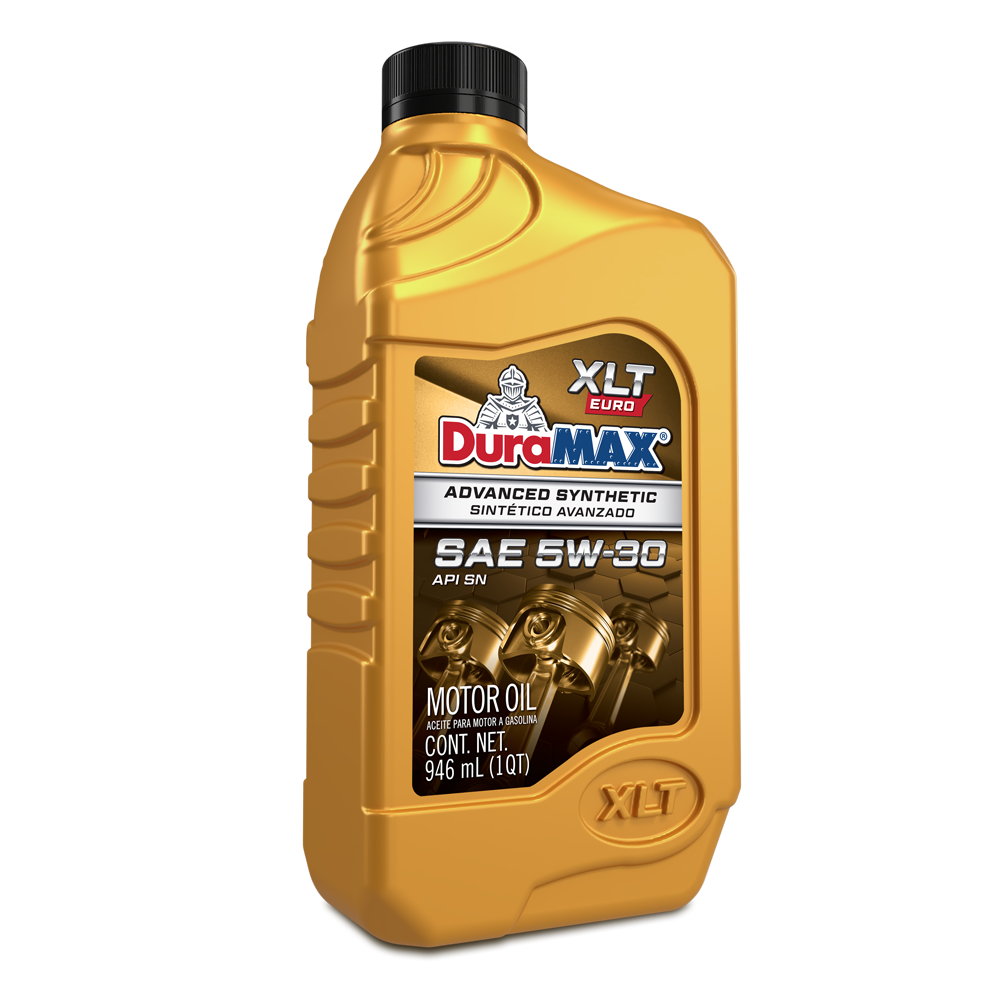
Credit: duramax.com
Why a successful short drive proves very little
A vehicle moving after a wrong-fluid fill is not evidence that the substitute is approved or harmless. It only establishes that it moved under those conditions. Do not perform a test drive to see whether a problem develops. The relevant starting point remains the manufacturer requirement and the details of the fill, even if no warning appeared.
Shifting symptoms cannot identify a safe mixture
A new shudder, delayed engagement, unusual noise, or warning should be described to the technician, but it does not identify the chemical contents by itself. Several faults can create similar symptoms. Conversely, a quiet gearbox does not certify the mixture. Record whether a symptom began before or after the fill instead of assuming every existing problem has the same cause.
There is no universal safe amount or distance
This article cannot give a harmless percentage, a safe number of miles, or a guaranteed repair cost. Such a number would require information about the exact transmission, contamination, operating history, and service findings. A teaspoon, a partial bottle, and a full refill are different reports, but none should be converted into permission to drive by a general online rule.
The real exception: explicit manual-gearbox instructions
Some owner manuals expressly permit particular engine oils in particular manual transmissions. Castrol discusses this variation among manual gearboxes. Treat it as a reason to read the exact requirement, not as a workaround for missing ATF. The word manual does not establish a universal fluid specification either.
A current Honda example with strict boundaries
For manual-transmission versions covered by the 2024 Honda Civic Sedan instructions, Honda specifies MTF and permits API-certified SAE 0W-20 or 5W-20 motor oil temporarily if MTF is unavailable. Honda directs replacement with MTF promptly and warns about continued use. On that same page, the CVT instruction specifies HCF-2; the manual-gearbox exception does not apply to it.
An older allowance can specify different oil
The 2011 Acura TL owner manual identifies Acura MTF as preferred for the manual transmission and lists SAE 10W-30 or 10W-40 motor oil as a temporary replacement. That historical example has different grades from the Civic instruction. Neither should be generalized to every Acura, Honda, model year, or replacement gearbox.
Notice what those examples actually establish: the manufacturer has written an exception for an identified application. They do not establish that any motor oil works in an emergency. If your manual has no equivalent allowance, do not build one by combining an older vehicle example with a newer bottle specification. Obtain the proper fluid or arrange assistance.
When an allowance does apply, preserve the wording and limits in your service record. Tell the workshop what temporary product was used and why. Ask when and how the specified fluid should be restored. Do not silently treat the temporary fill as a normal full service or infer a maintenance interval that the manufacturer never provided.
What to do after a mistaken fill
The following sequence is a conservative information-gathering process, not a universal repair procedure. Stop adding fluid, retain the container, and avoid unnecessary operation. Contact an appropriate repairer or roadside service with the details below. If you are in traffic, prioritize reaching safety without creating a collision risk and explain the situation when requesting assistance.
If the engine has not been started
Tell the repairer that the vehicle has remained off since the fill. Also disclose any ignition cycles, attempts to select a gear, or other operation you remember. Do not switch systems on merely to improve your description. Ask whether recovery is needed and what inspection or service procedure applies before anyone starts the vehicle.
Photograph the front and back labels of the actual container, including product name, grade, specification claims, and remaining quantity. A receipt can help identify a product but is weaker evidence if several bottles were open. Keep the container available for the workshop. Do not empty it into another bottle or discard the information needed to identify the mistake.
Estimate the amount honestly. For example, say that a partly used bottle was involved and the exact volume is unknown, rather than giving a precise number you cannot support. Describe whether other fluids or additives were also used. Accurate uncertainty helps the technician plan; false precision can send the diagnosis in the wrong direction.
If the vehicle has already been driven
Stop in a safe place and seek advice before continuing. Report the approximate time or distance, any gear selections you remember, and whether there were warning messages, slipping, unusual sounds, or changes in engagement. Preserve photographs of dashboard messages if you can take them safely. Do not restart repeatedly to see whether a warning clears.
Ask the recovery operator to use the towing method required for your exact vehicle. Do not assume that placing the selector in neutral makes every wheel-on-road tow acceptable. Provide the drivetrain information and mention the fluid mistake when booking assistance so the operator can check the relevant recovery instructions.
Ask the workshop to explain its proposed remedy and the evidence behind it. Useful questions include which service procedure applies, what contamination can remain after draining, whether further inspection is indicated, and how the correct level will be verified. Avoid demanding a generic flush simply because it appeared in an online answer.
Keep the final invoice with the product used, quantity, findings, and any follow-up advice. If symptoms persist, return with that record rather than adding a second chemical treatment. It creates a clear sequence for the next technician and distinguishes what was observed from what was assumed during the initial conversation.
What to buy instead of improvising
For a planned service, make a short purchase record containing the vehicle identification, transmission identification where available, required specification, exact product, and intended task. A top-up and a full service may require different quantities, equipment, and level-setting procedures. Resolve those questions before draining fluid or opening a sealed container.
Check the complete product application
A bottle labeled ATF is not an automatic match for every automatic transmission. Check the named specification and application restrictions. If a manufacturer or lubricant supplier lists several compatible products, compare the actual product names and grades, not just the largest brand name. Ask for written clarification if the label and product sheet do not agree.
Do not try to convert motor oil with an additive
An aftermarket treatment does not turn an unapproved engine oil into a verified transmission fluid. Ford warns against supplemental transmission additives, treatments, and cleaning agents in the cited instructions. Do not use them to counteract a misfill without an applicable repair procedure. Matching an engine-oil approval such as dexos also does not establish transmission compatibility.
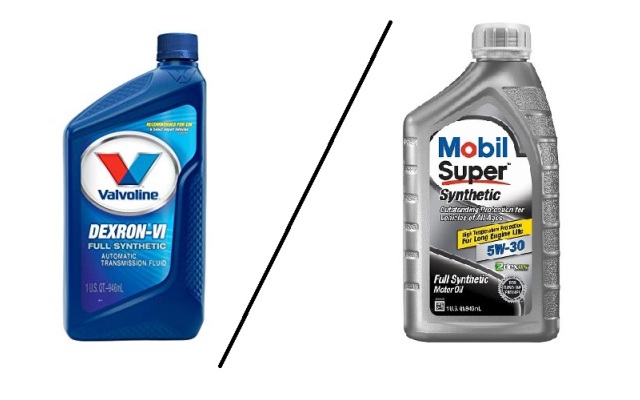
Credit: go4trans.com
Prevent the next fluid mistake
Before a service, place only the fluid needed for that specific system at the working area. Keep bottles labeled and closed. Verify the fill location using the manual before lifting the container. If you are interrupted, restart the identification check rather than relying on the position of a funnel or a cap left beside the vehicle.
Separate maintenance evidence from product guesses
Retain a simple service note with the date, odometer reading, exact product, and specification. For engine lubrication, our engine-oil selection guide explains a separate identification process. Using one record per system prevents a correct engine-oil purchase from later being mistaken for proof of the transmission-fluid requirement.
Keep drained fluid contained and disclose the mixture
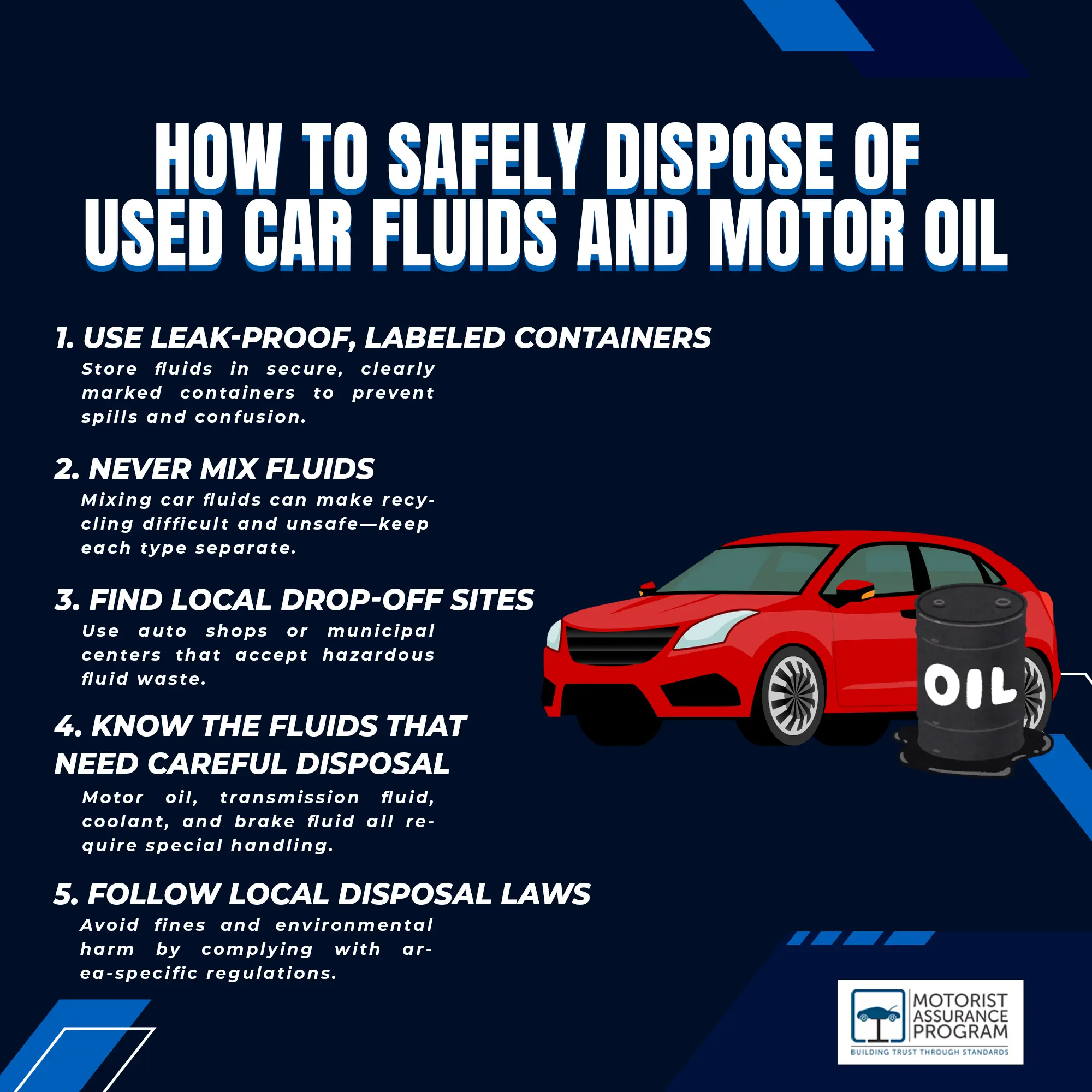
Use a suitable leak-proof container and ask the receiving facility how it handles the actual mixture. The EPA directs household oil changers to local collection services. Acceptance for recycling does not establish in-vehicle compatibility. See our separate recycling guide before combining waste streams, and disclose any existing mixture rather than relabeling it as clean used engine oil.
Credit: motorist.org
The decision to make before driving
If no fluid has been added, obtain the exact approved product or the exact manufacturer-authorized alternative. If a mistake has already occurred, preserve the details and ask for application-specific repair advice before further operation. If your manual contains a temporary motor-oil exception, follow every condition and arrange restoration of the specified fluid.
The useful question is not whether another driver once got away with a substitute. It is whether the documentation for your transmission allows the actual oil in your hand, and whether the next action is supported by the condition of your vehicle. That evidence-based check is more dependable than a generic emergency recipe.


Automotive reference information. Confirm specifications in the manual for your exact vehicle. Original replacement guides link to their research sources. About us