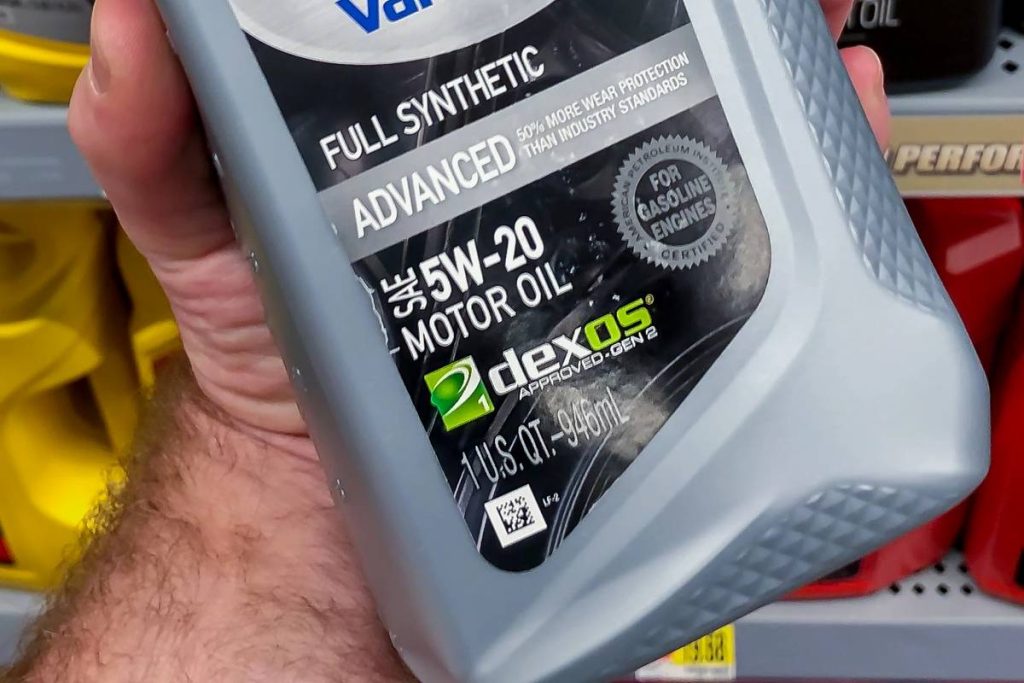

dexos is General Motors’ engine-oil specification and licensing system, not a single oil brand or viscosity. To choose an oil, identify the exact dexos requirement for your engine, match the permitted viscosity, and verify the particular product. A bottle carrying one dexos variant is not automatically suitable wherever another variant is required.
The most useful way to read the label is as a complete statement: exact product, dexos variant, viscosity grade, and license identity. Keep those details together. Saying only that a service used synthetic oil or dexos oil omits information needed to check the choice. Several oil manufacturers can offer suitable licensed products, so the decision begins with compatibility rather than brand loyalty.
This guide explains how to perform that check using GM documentation reviewed on September 22, 2026. It is researched editorial guidance, not an engine test, an independent certification, or a ranking of oil brands. For the broader selection process across manufacturers, see how to identify the engine oil your car needs.
Credit: www.rowleys.com
What the dexos label establishes
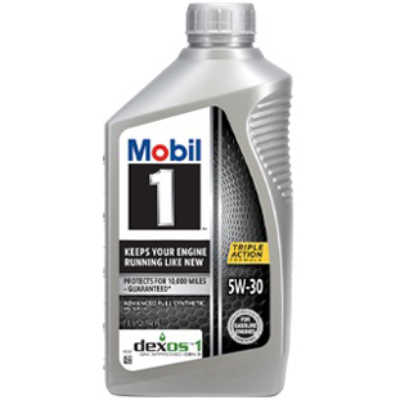
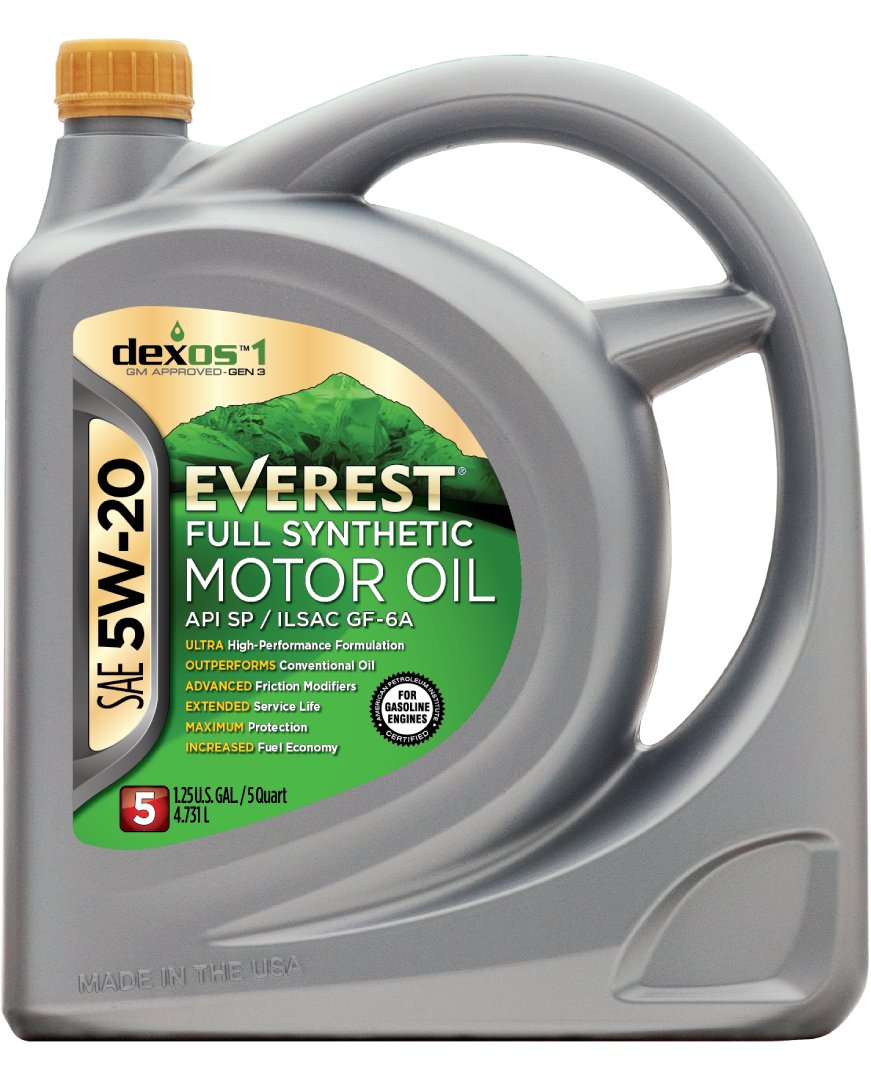
GM’s licensing explanation distinguishes products certified through its program from unlicensed products making suitability claims. GM identifies licensed packaging by the dexos icon and an 11-character alphanumeric license number. Check the exact markings on the container you will use, rather than treating a website’s generic photograph as proof of the bottle in your hand.
The label is a starting point for verification, not a promise that maintenance can be ignored. It does not identify your engine for you, determine how much to add, or tell you whether an unrelated oil-pressure warning has been resolved. Those questions belong to the vehicle’s instructions and its actual condition.
A specification is different from a brand
A brand can sell more than one dexos product, and products under a similar family name can have different grades and approvals. Write down the full name rather than shortening it to the manufacturer. This matters when comparing store listings, service invoices, and product data sheets that may present several formulations on one page.
Do not assume the wording on a front label tells the entire story. Turn the bottle around and compare its claims with current product information for the country where it is sold. When the packaging and online listing disagree, resolve the identity before purchase. An unfamiliar formulation deserves verification, not an automatic accusation that it is counterfeit.
Keep a photograph of the label and the receipt after purchase. These records are useful if a workshop needs to identify a top-up, if a retailer changes the listing, or if you need to buy the same specification later. The aim is a traceable choice; no photograph alone can establish the contents of an already opened, unlabelled container.
A license is not a universal performance promise
Using the specified oil supports the maintenance requirement, but this article does not promise extra horsepower, quieter operation, a particular fuel saving, or a longer engine life after switching brands. Those are separate claims that require applicable evidence. An engine already using the correct oil does not necessarily gain a noticeable change merely because another bottle looks newer.
When comparing two suitable oils, separate a verified approval from a marketing claim. Ask what test supports a claimed advantage, which reference oil was used, and whether the conditions resemble your application. If those details are unavailable, do not turn the advertising into a numerical benefit for your own vehicle.
A normal road trip is not a controlled oil comparison. Fuel use and engine noise can change with weather, route, load, tires, measurement method, and other conditions. Our recommendation is to choose the documented specification and maintain an accurate service history, rather than inventing an experiment from a single tank of fuel.
Verify the actual product, not just the badge
Open the GM directory for the required variant and compare the brand, supplier, viscosity, and license number with the proposed oil. Product names can be very similar, so match the whole entry. If several entries share a brand name, use the other fields to determine which one corresponds to the actual container.
Treat a failed search as an unresolved identification problem. Check spelling, the grade, the regional product name, and the license details. Do not declare that the product is licensed because a different grade appears, and do not conclude that absence from your first search proves fraud. Obtain clarification from the supplier or GM when necessary.
For bulk oil at a service center, request the product identity and required specification on the invoice. A logo on the reception counter does not identify the oil in a particular tank. Ask the provider to supply the details needed to make the same product-to-requirement comparison you would perform on a retail bottle.
Keep three different decisions separate
The first decision is whether the oil meets the engine requirement. The second is which suitable product to buy. The third is when to change it and how to check its level. Combining these decisions creates common mistakes, such as assuming a licensed product grants a longer service interval or that the most expensive grade must fit every engine.
Compatibility comes before claimed benefits
A claimed benefit should describe the actual product and the conditions under which it was evaluated. Avoid copying a statement about one oil into a claim about the entire dexos family. Different licensed formulations can share a required standard without every marketing comparison or typical laboratory value being identical.Fuel-economy claims need a relevant comparison
If a product advertises better fuel economy, check the comparison and qualification before assigning it a value in your budget. A relative improvement in a specified test is not a guarantee of the same change in everyday driving. Keep the compatibility decision separate from an unverified prediction of savings.Certification does not diagnose a mechanical fault
A warning light, persistent oil loss, or unusual engine behavior needs the relevant vehicle instructions and diagnosis. Choosing a licensed bottle cannot establish why a symptom occurred or whether driving is appropriate. Do not treat a product upgrade as proof that a fault has been corrected, and preserve service details for the person investigating it.Understand the dexos variants and published transitions
Do not read dexos1, dexos2, dexosD, and dexosR as a simple numbered ladder in which every later-looking name replaces every earlier one. GM publishes separate dexosD diesel guidance and dexosR gasoline guidance with viscosity conditions. Read those conditions as part of the instruction. A remembered rule from an older bottle may no longer describe the current directory guidance.
dexos1 Gen 3: check the applicable gasoline requirement
GM’s dexos1 Gen 3 page states that Gen 3 is backward compatible with earlier dexos1 generations and identifies Gen 3 or dexosR, in the appropriate viscosity, for the next oil change in those applications. That is replacement guidance within the stated scope. It does not make dexos1 the answer for every gasoline vehicle or establish a diesel approval.
dexos2: its replacement depends on engine type
GM’s current dexos2 notice directs light-duty diesel applications toward dexosD and gasoline applications toward dexosR, retaining the owner-manual viscosity. Consequently, describing dexos2 only as diesel oil is incomplete. If an older handbook says dexos2, identify the engine type and consult this transition guidance rather than selecting another variant by name alone.
Credit: everestoil.com
dexos, synthetic, and API describe different things
Synthetic describes a formulation category. A viscosity grade describes viscosity classification. API and dexos markings relate to their respective performance and licensing systems. None of those labels should be used as shorthand for all the others. A buyer still needs to compare the complete set of requirements for the engine with the actual product.
Read each claim under its correct heading
The Mobil product table provides an example of separate headings for approvals, recommended applications, and performance claims. Read the column for the actual viscosity. A manufacturer’s recommendation is not the same statement as a GM license, even when both appear on the same product page. The distinction helps you ask a precise question if documentation is incomplete.
API certification does not replace a dexos check
API operates its own engine-oil certification and monitoring program. An API mark is useful information, but it does not by itself identify the particular GM dexos license. An oil can carry several performance claims; verify each one that the vehicle requires rather than assuming one logo grants all approvals.
Match the variant to the engine and viscosity
As a concrete example, the 2025 Chevrolet and GMC Duramax Diesel 3.0L supplement specifies dexosD and SAE 0W-20 in its engine-oil section. That requirement contains both a specification and a grade. It is an example for the covered 3.0L applications, not permission to use that combination in every Duramax engine.
Start with the manual for the exact model year, engine, and market. If the vehicle has a replacement or modified engine, establish which documentation governs that engine. Where a newer specification supersedes an older one, keep the original requirement and the published transition together so the reason for the new choice remains clear.dexosD and dexosR are not interchangeable names
GM’s dexosD notice says the specification replaces dexos2 for the stated diesel applications in the appropriate grade. Its dexosR notice describes backward compatibility for gasoline engines using dexos2 and dexos1 Gen 2 or Gen 3, again with the appropriate grade. Neither statement is permission to transfer a gasoline recommendation to a diesel engine or to choose any available viscosity.Climate does not erase the viscosity requirement
Weather advice should come from the applicable vehicle instructions. Do not infer that a dexos license permits a different grade simply because the vehicle is used in a hot region or started on cold mornings. If the manual authorizes a temperature-related alternative, retain its conditions and verify the alternative product with the same care.Build a service record you can actually verify
Record the vehicle, engine, required specification, permitted viscosity, exact installed product, date, and odometer reading. Keep a copy of any applicable manufacturer update explaining a specification transition. This provides a better basis for the next service than an invoice reading only full synthetic, and it helps avoid confusion between products used in different vehicles in the household.
The receipt should tell you what happened, not merely that maintenance was purchased. If a workshop used a current replacement specification, ask it to identify that specification and product. Store that information with any relevant manufacturer guidance so a later technician can understand the history without guessing which version was installed.Follow the vehicle’s maintenance instructions
A dexos logo does not set a universal oil-change interval. Use the vehicle’s applicable time, distance, and monitoring instructions, including any stated conditions. Do not reset a reminder simply because oil was added, and do not extend the interval solely because the bottle has a longer advertised mileage claim.Check the level separately from the service reminder
Use the level-check method specified for the vehicle and distinguish topping up from changing the oil and filter. Keep the proposed top-up product identifiable and verify its requirements before adding it. If consumption changes or the level is abnormal, record the observation and obtain guidance instead of assuming that another dexos variant will solve it.
Credit: www.speedwaymotors.com
The dexos purchase check
Before paying, ask whether you can identify the exact engine requirement, the correct variant or authorized replacement, the required viscosity, and the specific licensed product. If any answer is missing, finish that check first. Chevrolet’s official manual finder can help locate vehicle documentation; use the corresponding manufacturer resource for another GM brand.
If the directory and packaging still leave an unanswered licensing question, use GM’s published dexos contact and provide the product details. For a different reservoir, start a separate specification check: dexos is an engine-oil system, so it does not authorize using motor oil as transmission fluid. A precise match is the useful outcome, not the broadest claim on the shelf.


Automotive reference information. Confirm specifications in the manual for your exact vehicle. Original replacement guides link to their research sources. About us