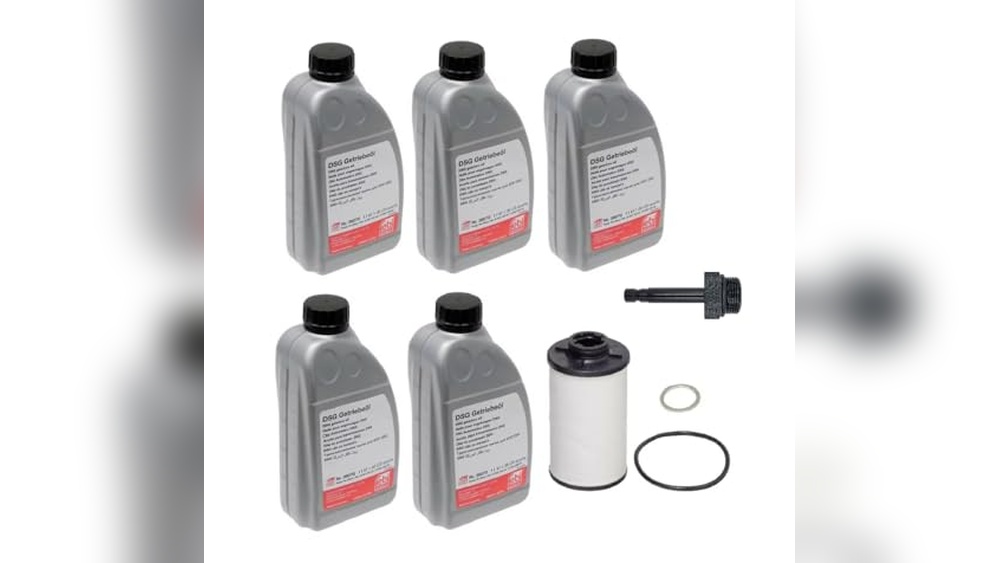

The best fluid for a DSG transmission is a product that matches the exact gearbox and the current manufacturer specification for the circuit being serviced. “DSG compatible,” a familiar bottle colour or a premium brand name is not enough to establish compatibility. There is no single fluid recommendation for every Volkswagen Group dual-clutch transmission.
Start by identifying the gearbox code and the required fluid part number or specification using VIN-specific service information. Then compare genuine fluid with alternatives that document the required approval. Do this before ordering a service kit or draining the transmission.
Why the gearbox code matters
DSG describes a transmission family, not one universal internal design. Wet-clutch and dry-clutch versions have different lubrication requirements. A dry clutch does not mean the whole gearbox operates without lubricant, and a bottle intended for one circuit must not be assumed suitable for another.
Volkswagen’s Golf Estate technical description illustrates the distinction with wet- and dry-clutch units offered for that particular model generation. It should not be turned into a rule that all six-speed or all seven-speed DSGs use the same fluid. Gear count alone is insufficient identification.
Record the model year, engine, market and gearbox code. If the transmission has been replaced, confirm what is installed rather than relying only on the VIN. Ask the workshop to state the fluid specification on the estimate so you can compare like-for-like services.
Genuine fluid: match the current part number
A genuine Volkswagen Group fluid is a straightforward candidate when the parts department confirms the current number for the gearbox. For example, the 2017 Golf SportWagen capacity chart identifies G 052 182 A2 for its listed 0D9 DSG application. That is a specific documented example, not permission to fill a different DSG with the same product.
Check supersessions with the current parts catalogue. An old receipt or archived capacity chart can help identify past service but should not override revised information for your vehicle. Obtain sealed containers from a traceable supplier and keep the part number on the invoice.
FUCHS FFL-2: a documented specification match
FUCHS TITAN FFL-2 lists VW TL 52 182 (G 052 182) in its approvals section. It is a candidate when that is the specification required for the transmission being serviced, after confirming the current application information.
This is a narrower and more useful basis for selection than saying one brand is “best for DSG.” The approval identifies a particular requirement. It does not make FFL-2 interchangeable with every other fluid in the same manufacturer’s range, nor does it establish a longer service interval for your car.
FFL-52529 shows why similar bottles are not substitutes
FUCHS TITAN FFL-52529 lists a different approval: VW TL 52 529-C (G 055 529). FUCHS describes it for specified wet-clutch applications including DL382 and DL382e. Consider it only where the vehicle’s service information requires that specification.
The product names are similar, but the approval numbers are not. This comparison is evidence against choosing by brand family alone; it is not a complete gearbox-to-fluid interchange chart. If your required number differs from both examples, neither has been established as the correct choice by this guide.
Approval, recommendation and marketing are different
Read the product data sheet rather than stopping at an online shop title. Identify whether the required standard appears under formal approvals, manufacturer recommendations or a broad suitability statement. Those labels communicate different kinds of evidence. Ask the lubricant supplier to explain an unclear claim before using the fluid.

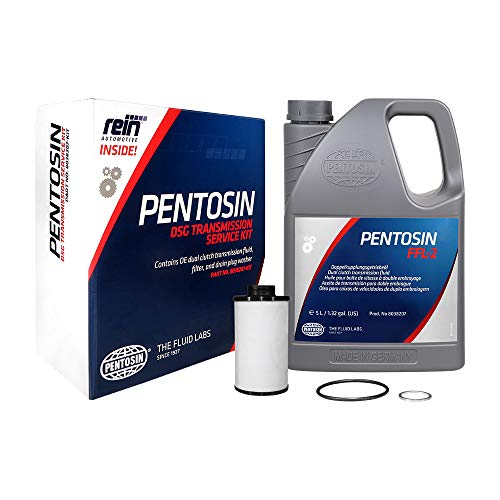


Reject a substitution justified only by matching colour or viscosity language. Also check that the kit’s filter, seals and other service items belong to your gearbox. A bottle that is correct does not make the rest of a bundled service kit correct.
Correct fluid still needs the correct service procedure
Volkswagen’s 0GC training document directs technicians to current repair information for the precise oil-change method and maintenance schedule. It also describes a filter arrangement specific to that gearbox. Do not copy a filter-change rule, fill temperature or procedure from another DSG just because the cars look similar.
Use the specified service quantity and level-setting process, not a generic dry-fill capacity. The Golf SportWagen chart separately lists new-fill and change quantities, illustrating why a single capacity number can be misleading. Temperature measurement, engine state and the sequence of checks must follow the actual gearbox procedure.
Transmission, all-wheel-drive clutch and final-drive fluids are separate service decisions. The same chart lists them separately; buying DSG fluid does not cover every drivetrain reservoir. For a general explanation of why procedures differ, see identifying the correct transmission-fluid level check.
The purchase checklist
Buy only after you have the gearbox code, current fluid specification, required service quantity, correct service parts and a workshop or procedure capable of setting the level properly. Compare total service cost once those requirements match. Do not pay extra for an unsupported claim that a fluid repairs worn clutches or cures every shifting complaint.
If the wrong fluid may already be inside, stop guessing or mixing products. Have a transmission specialist identify what was used and decide the appropriate corrective procedure. A verified specification match and a correctly completed service matter more than a numbered list of popular bottles.


Automotive reference information. Confirm specifications in the manual for your exact vehicle. Original replacement guides link to their research sources. About us


