Yes, dirt bikes can have oil filters, but there is no single filter arrangement shared by every off-road motorcycle. Some use a replaceable cartridge; others specify a strainer screen and centrifugal-filter cleaning. Even an oil-injected two-stroke can contain an oil screen. Identify the complete model and year, then read the maintenance schedule and lubrication diagram. The practical question is which component your bike has and whether the manufacturer says to replace, clean or inspect it.
A vague statement such as “four-strokes have filters and two-strokes do not” can send an owner toward the wrong service. Engine type helps explain the lubrication system, but it does not describe every screen, pump or separate gearbox. The examples here distinguish those systems using manufacturer documents. Each remains tied to its stated model and year rather than being presented as a universal rule for a brand.
Start with three pieces of information: the bike’s full designation, its model year and the component named in the manual. A CRF250F and a CRF250R share part of a name but belong to different applications. Likewise, a two-stroke oil tank and a gearbox filler are not interchangeable destinations for oil. Avoid buying a generic “dirt bike oil filter” until those details are clear.
Credit: www.youtube.com
The main filter arrangements, with documented examples
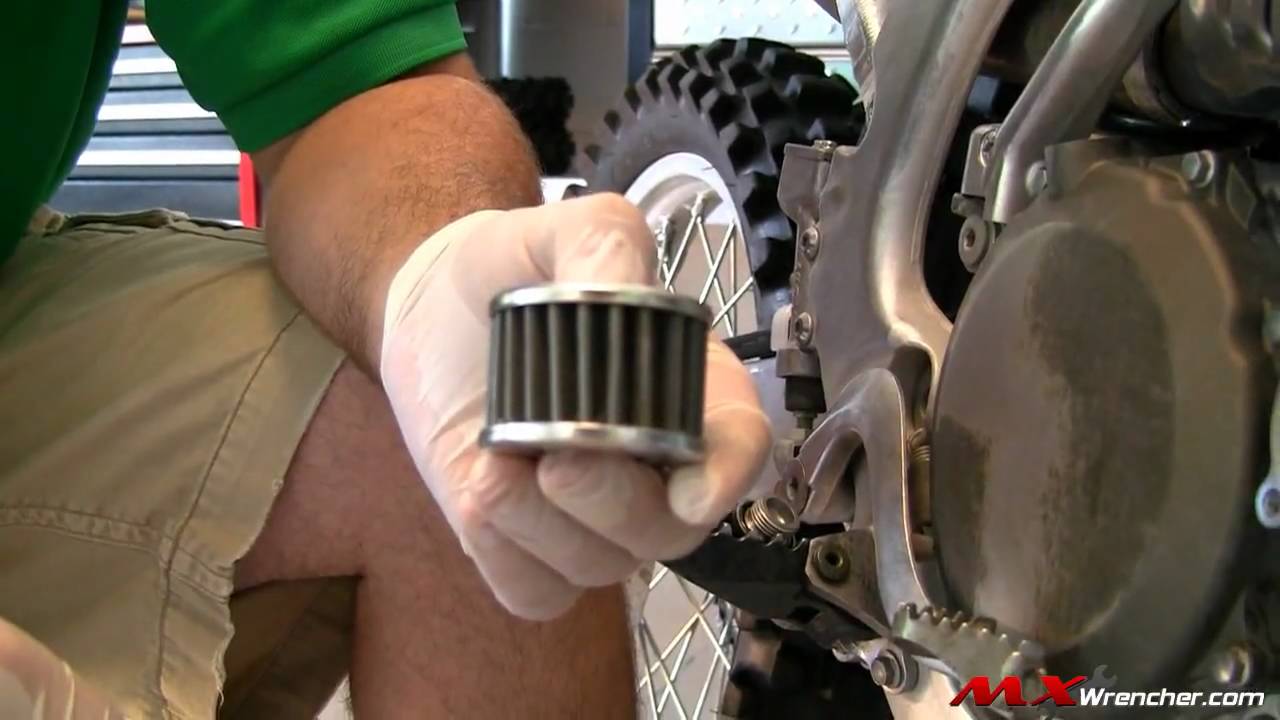
Replaceable cartridges are a real maintenance item. The 2021 Honda CRF250F owner’s manual describes removing an oil-filter cover, O-ring, spring and filter, then fitting a new filter. Its instructions specify the marked outward-facing side. That is direct evidence that this trail bike has a replaceable engine-oil filter. It also shows why looking only for an external automotive-style metal can can make an owner overlook the actual component.
A screen and a centrifugal filter are different service items. The 2021 Honda CRF125F/FB schedule lists an engine-oil strainer screen and engine-oil centrifugal filter with cleaning requirements. These are not described as the CRF250F’s replacement cartridge. Honda marks those cleaning tasks for dealer service in that manual. The distinction matters when estimating the job: an ordinary oil drain does not automatically complete the separately listed cleaning, and a parts counter’s lack of a disposable cartridge does not establish that filtration needs no attention.
Read the action beside the component. Inspection, cleaning and replacement are different instructions. Do not clean a disposable filter and return it to use merely because another model has a cleanable screen. Conversely, do not assume every screen must be discarded at each oil change. Record the named component, the prescribed action and its trigger. That creates a useful service plan without turning a manufacturer’s terminology into a guess about what is inside the engine.
Competition bikes can have their own filter procedure. Honda’s 2025 CRF250R/RX/RWE competition handbook includes engine-oil-filter replacement and explicitly warns against installing the filter backward. Its maintenance tables use competition schedules with race and operating-hour headings. Treat those tables as part of the application, not as a source of one convenient interval to copy onto a recreational trail bike. The correct part and the correct service timing are separate questions.
Premix lubrication is not a circulating crankcase-oil change. Yamaha’s current European YZ125 specification identifies a two-stroke engine with premix lubrication. In a premix system, the specified lubricant accompanies the fuel; that role differs from oil retained for repeated circulation in a four-stroke engine. Follow the bike’s own mixture instructions. Do not use a four-stroke oil-change video to decide what belongs in a premix fuel can or assume that every two-stroke uses the same ratio.
Oil injection can still include filtration. KTM’s 2022 300 EXC TPI Six Days description explains a separate oil tank and pump and identifies a mesh filter in that system. This is enough to disprove a blanket claim that two-strokes never contain an oil filter or screen. It does not establish a cartridge-change procedure for every KTM. Keep the injection system separate from any gearbox-oil service, and use the applicable instructions before disconnecting an oil hose or disturbing the pump.
A parts diagram can confirm what a marketing name cannot. The official 2025 KTM 300 EXC EU lubricating-system diagram lists oil screen 61238016200 alongside the oil-tank and pump components. That is a model-and-market-specific example, not an aftermarket cross-reference recommendation. The diagram identifies a component; the maintenance instructions determine access, cleaning or replacement requirements. Those two sources perform different jobs and should be read together.
Do not confuse oil and air filters. A foam element under the seat or in an airbox handles intake air, even if its service involves applying filter oil. That does not make it the engine-oil filter. Likewise, a fuel-pump filter belongs to the fuel system. Use the manual’s component labels and circuit location rather than the word oil on a cleaning-product bottle. Buying the right maintenance supplies begins by identifying which material actually flows through the part.
Absence of a replaceable cartridge has limits. It does not mean an engine has no lubrication requirements, no internal screens or no oil-related service. Nor does it prove that adding an aftermarket external filter would be beneficial or supported. Maintain the system that the engine was designed to use. A conversion that changes oil routing needs specific engineering and installation support, not an assumption that more visible filters must be better.
How to locate the correct component and plan its service
Begin with the motorcycle’s identification rather than a photograph from an unrelated model. Include the year, exact suffix and market version when selecting documentation. KTM’s official manual selector, for example, requests the model name and cautions that specifications can vary by country. Preserve that context when downloading a manual. If an engine has been swapped, disclose the installed engine identity rather than relying exclusively on the frame’s original specification.
Search the manual for engine oil, oil filter, strainer and lubrication, then follow the diagram references. Read the location from that document rather than assuming all filters sit on the same side. Check whether the described cover is accessible directly or requires removal of an engine guard or another part. An unfamiliar bolted cover can retain components unrelated to routine filtration; do not open it just because its shape resembles a filter housing.
Before starting, make a component list from the actual procedure: filter or screen, cover seal, drain seal, spring and any other specifically identified part. Mark which items are renewed and which are inspected or retained. This is especially useful for a first service on a used bike, where the previous owner may not have supplied a maintenance record. Finding a spring missing from the assembly is a discrepancy to resolve, not evidence that the spring was optional. Check what the supplier actually includes: a listing described as an oil-filter kit may package only the cartridge, or may include selected seals. Compare the contents with your procedure before opening the engine so a missing inexpensive seal does not leave the motorcycle dismantled.
Prepare a stable, clean work area and follow the specified shutdown and support requirements. Mud around a cover is an avoidable source of contamination when the oil circuit is opened. Clean the outside before dismantling, keep removed parts in order and protect exposed passages. Do not let the need to finish a ride push you into replacing the filter outdoors with dirt falling into the housing or with the bike supported insecurely.
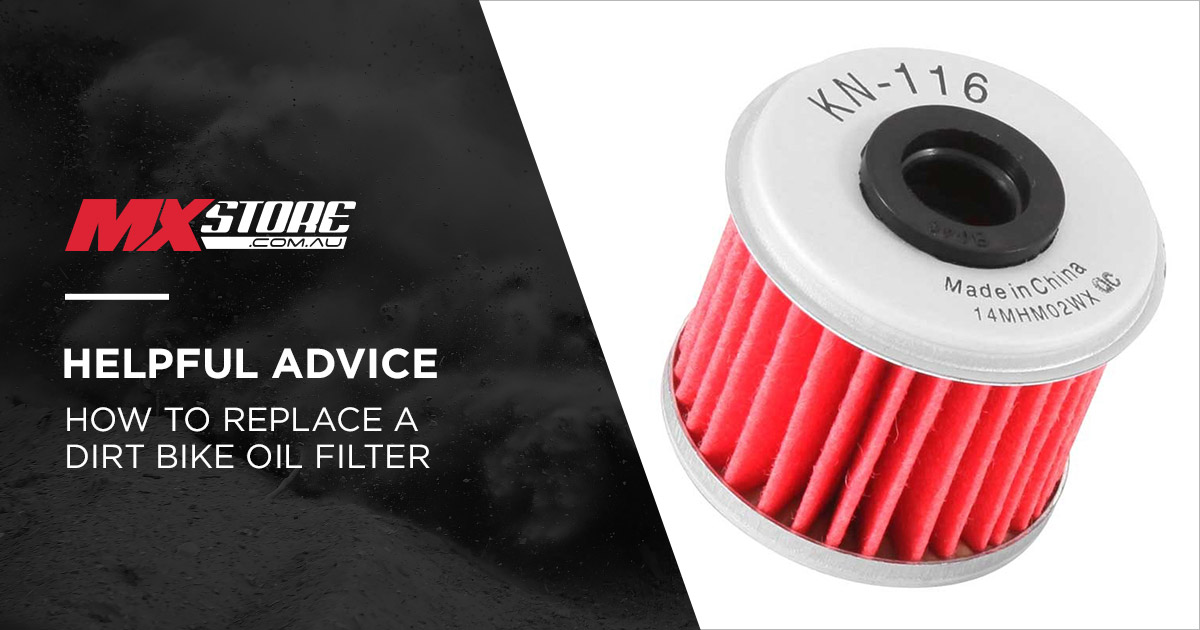
When replacing a cartridge, confirm its orientation from the correct procedure and markings. Seat the specified seals and retained parts as described, and use the required tightening method rather than forcing the cover to close. For a screen or centrifugal-filter service, obtain the relevant service information and required skills before proceeding. The fact that a part can be seen in a diagram does not make its removal an appropriate owner-level task.
Choose the oil by its exact application and fill procedure, not by the filter’s brand or by a guess at the amount drained. A drain-only refill, a filter-change refill and a disassembled-engine capacity can describe different conditions. Check the manual’s wording and verify the final level by its stated engine-temperature, waiting-time and bike-position method. Our guide to oil-filter function discusses why an abnormal result after service needs investigation; do not keep riding to see whether a leak or pressure problem disappears.
Credit: www.mxstore.com.au
Build the maintenance record around the actual bike
Record the oil and filter work separately from air-filter cleaning, gearbox service and injection-oil filling. Include the date, hours or other required measure, exact replacement part and any screen or centrifugal-filter work completed. If the previous history is uncertain, arrange a model-appropriate baseline service instead of assuming a fresh-looking oil sample proves every related task was done. Our used oil-filter collection guide covers the separate disposal decision for a removed cartridge.
The useful answer is therefore specific: some dirt bikes need a new oil-filter cartridge, some require different filtration maintenance, and two-stroke systems should not be reduced to a single rule. The manufacturer examples above establish those distinctions without claiming that every model was physically tested. Match the bike, circuit and maintenance action before ordering parts, then retain the supporting information so the next service is a repeatable decision rather than another guess.


Automotive reference information. Confirm specifications in the manual for your exact vehicle. Original replacement guides link to their research sources. About us