
Dealerships do not all clean fuel injectors in one way. A proposed service may involve a tank treatment, an equipment-based on-car procedure or removed-component testing by a suitable specialist. Some manufacturer guidance does not support routine injector cleaning at all. Ask what the specific dealership intends to do on your engine and why.
The phrase “fuel injection service” is too broad to establish the method. It may combine cleaning with other work, or describe only an additive. Have the advisor identify the target component, product, equipment and any diagnostic checks. Do not assume removal, bench testing or intake-valve cleaning is included unless the estimate says so.
The correct method also depends on the complaint. Preventive maintenance on a normally running vehicle is different from a repair for a confirmed fault. A cleaning proposal should be evaluated against the manufacturer’s instructions and the evidence of need. A dealership address alone does not answer those questions.
This guide helps you understand and compare the scope. It is not a pressure-cleaning or injector-removal procedure. Fuel-system service can involve high pressure, electrical hazards and strict cleanliness requirements; the workshop must use equipment and instructions appropriate to the actual system.
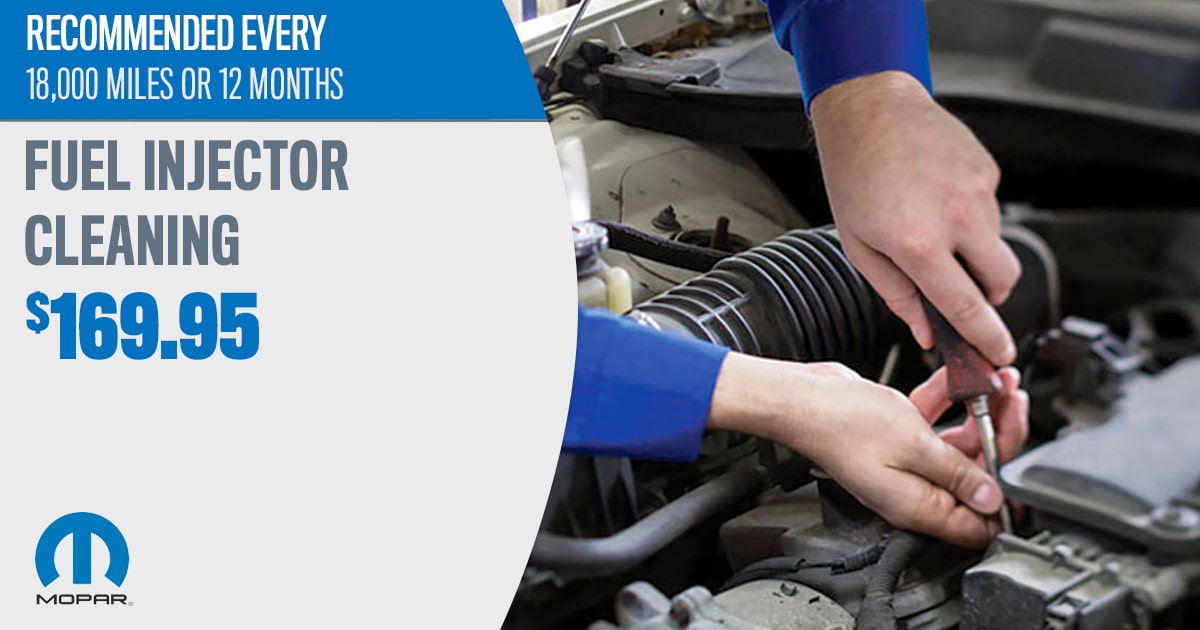
Credit: www.feldmanwoodhaven.com
Start by identifying the service being sold
Ask whether the product goes into the fuel tank or is delivered through workshop equipment. Ask whether injectors stay installed. Ask whether individual injector measurements are included. Ask which other components, if any, are being cleaned. Put those answers on the work order rather than relying on a package name.
A tank treatment uses the vehicle’s fuel path during operation. It is not equivalent to removing and testing each injector. An on-car procedure can have a different delivery method, but it still must match the engine and the manufacturer’s directions. Do not assume a more elaborate machine automatically makes a procedure appropriate.
Removed-injector work adds access, installation and potential calibration requirements. It may be referred to another equipped provider rather than performed in the dealership itself. Ask who will do it and what report will be returned. A specialist test and a general cleaning package are different purchases.
Also establish whether the proposed service concerns injectors or intake deposits. Bosch’s direct-injection overview places fuel delivery inside the combustion chamber. A tank-carried product therefore should not be assumed to wash every intake surface on every engine. Have the target and the route explained before accepting an all-system cleaning claim.
Symptoms need diagnosis before they justify cleaning
Rough idle, hesitation or a warning light does not prove deposits are the cause. Ignition, electrical, supply and mechanical problems may produce overlapping symptoms. Ask what finding makes cleaning the appropriate next step. A service menu is not a diagnostic result.
A scan can help focus the investigation, but code descriptions require interpretation. An injector circuit code does not mean solvent will repair the circuit. A cylinder-specific misfire does not distinguish an injector from every other cause. Preserve the original information and ask what follow-up check supports the proposal.
For an intermittent complaint, tell the dealer exactly when it happens. An overnight-start issue may not appear during a warm appointment. If the complaint was not reproduced, have that uncertainty documented. Do not let a generic cleaning package be described as a confirmed repair when the cause remains unknown.
For visible fuel leakage, severe shaking or repeated stalling, prioritize safe assessment. Do not continue driving merely to use up a tank containing cleaner. Our injector symptoms guide separates initial observations from findings that can support a component diagnosis.
Manufacturer guidance can change the choice of method
American Honda’s March 2019 position statement advises against fuel-injection cleaning/flushing under normal conditions and directs replacement of a malfunctioning injector. GM’s June 2022 TechLink discussion distinguishes diagnostic cleaning procedures from routine preventive cleaning and a named gasoline tank treatment. These are examples of different manufacturer positions, not universal rules for every later vehicle. Ask for current guidance covering the model, engine and market.
If the advisor says a procedure is required, request the specific reference. If a newer instruction differs from an older position statement, its applicability should be explainable. Keep the relevant document with the estimate.
This prevents two opposite mistakes: assuming every dealer cleaning package is mandatory, and assuming cleaning can never be appropriate under a supported diagnostic procedure. The method and the reason need to match the application. A broad internet argument about whether “cleaners work” does not settle that match.
For a permitted procedure, ask what products and settings are specified and whether the shop follows that method. You do not need to operate the equipment yourself. You need enough information to establish that the proposed service is defined and appropriate, rather than an improvised treatment chosen only because the machine is available.
What useful testing and verification look like
A meaningful before-and-after assessment uses conditions relevant to the complaint and a suitable comparison. If the shop claims injector delivery improved, ask what was measured. If it claims the rough idle is resolved, ask whether the original idle condition was reproduced. A subjective statement that the engine “seems cleaner” is not the same evidence. Delphi’s common-rail guidance describes diagnosis and proper service practices for that system.
Its relevance is the need to assess the component and its operating context. Do not transfer a test method or limit from one injector type to another. The report should identify the actual application and test conditions. Cleaning may leave a component outside specification or reveal a fault that cleaning cannot repair. Ask what happens in that event before authorizing the work.
A failed outcome should lead to a documented next decision, not automatically to repeated cleaning. If replacement is proposed, have the failed check and required quantity explained. At collection, request a clear statement of what was performed and what was verified. If the symptom could not be reproduced afterward under the original conditions, retain that limitation. It is better to have an honest qualified result than an unsupported guarantee based on a brief warm idle.
Compare estimates and avoid an undefined package
Separate diagnosis from treatment. Separate parts and products from labor. Identify any removed components.
Confirm required seals or other installation items. Ask whether application-specific setup is included. Request the total price and any contingency that needs another authorization.
- There is no universal dealership cleaning price or duration in this article. Local labor, the method and the engine determine the actual estimate. A tank additive and a removed-injector test cannot be compared solely by the words “fuel service.” Obtain like-for-like descriptions before deciding one provider is more expensive.
- Ask whether an optional package includes unrelated work. You may need some scheduled items without needing every extra in the bundle. Have the advisor identify which items come from the vehicle schedule and which are recommendations.
- That makes the decision reviewable without rejecting useful maintenance simply because it was packaged with something else. If a warranty or service contract may be relevant, clarify authorization first. Do not assume an optional cleaning invoice will be reimbursed as a covered repair.
- Ask the responsible administrator what evidence and approval are needed. Keep that payment question separate from whether the procedure is technically appropriate. Also ask about the response if the complaint remains.
- A service warranty may cover a defined operation without guaranteeing that every possible cause of rough running is corrected. Read the actual terms. Agree on the next diagnostic step rather than relying on a broad satisfaction phrase.
Our replacement-time guide explains why elapsed workshop time and billed labor differ when a cleaning assessment leads to a confirmed replacement. The initial package name should not hide a change in repair scope.
Choose a service with a stated purpose and result
Before booking, identify the vehicle and the complaint. Ask the dealership for the exact method and the applicable manufacturer basis. Confirm whether the service is scheduled, optional or fault-related. Request a written scope and a verification plan.
Keep the original observations and scan information. After the work, retain the invoice and findings. Record the product used if a tank treatment was part of the service. If symptoms return, describe whether the timing and severity match the original complaint.
Do not immediately conclude that the injectors need another cleaning without new evidence. A dealership can provide access to application-specific information and service capability, but the individual recommendation still needs to be explained. The useful purchase is an appropriate procedure for an identified need. A vague promise to clean the entire fuel system is not enough to judge method, value or likely outcome.
Dealership injector cleaning is therefore best understood as a set of possible services with different limits. Ask which one is proposed, what supports it and how success will be assessed. Those answers let you approve a concrete piece of work rather than an ambiguous label. If the dealership uses an outside specialist, ask whether its findings will be included with your invoice. The specialist’s result should remain tied to the actual injectors and vehicle, so a later repairer can understand the evidence rather than only seeing a generic cleaning charge.


Automotive reference information. Confirm specifications in the manual for your exact vehicle. Original replacement guides link to their research sources. About us