
Fuel injector replacement time depends on the engine, access, injector design and condition of the parts being removed. There is no reliable universal hour figure for every car. A useful estimate names the vehicle and engine, states how many injectors are being replaced, and separates diagnosis from installation and verification.
Billed labor time and the time your vehicle spends at the workshop are different. An agreed labor allowance describes the work being charged; it does not necessarily promise collection that many hours after drop-off. Parts availability, a cold-start check or a difficult extraction can affect the calendar time.
Ask for both figures when arranging transport. This distinction is especially important when comparing a simple tank-cleaner service with actual injector replacement. They are different jobs even if both are advertised as “fuel injection service.” Before comparing prices or duration, obtain an itemized description of the work.
If replacement has not yet been justified, start with our guide to replacement evidence. A vehicle that has not been diagnosed cannot receive a dependable completion promise merely from the symptom “rough idle.” The workshop first needs to establish whether an injector is involved. Plan the diagnostic appointment separately if necessary, then authorize the confirmed repair once its scope and parts requirements are known.

Credit: blog.fcpeuro.com
The stages behind an injector replacement estimate
The appointment may begin with reproducing the complaint, reading stored information and testing the relevant system. Those steps can consume time without any injector being removed. An intermittent fault may need observation under a particular condition. Ask whether diagnostic labor is included, separately capped or credited against a later repair; different shops use different arrangements. Preparation then follows the service procedure for the actual engine.
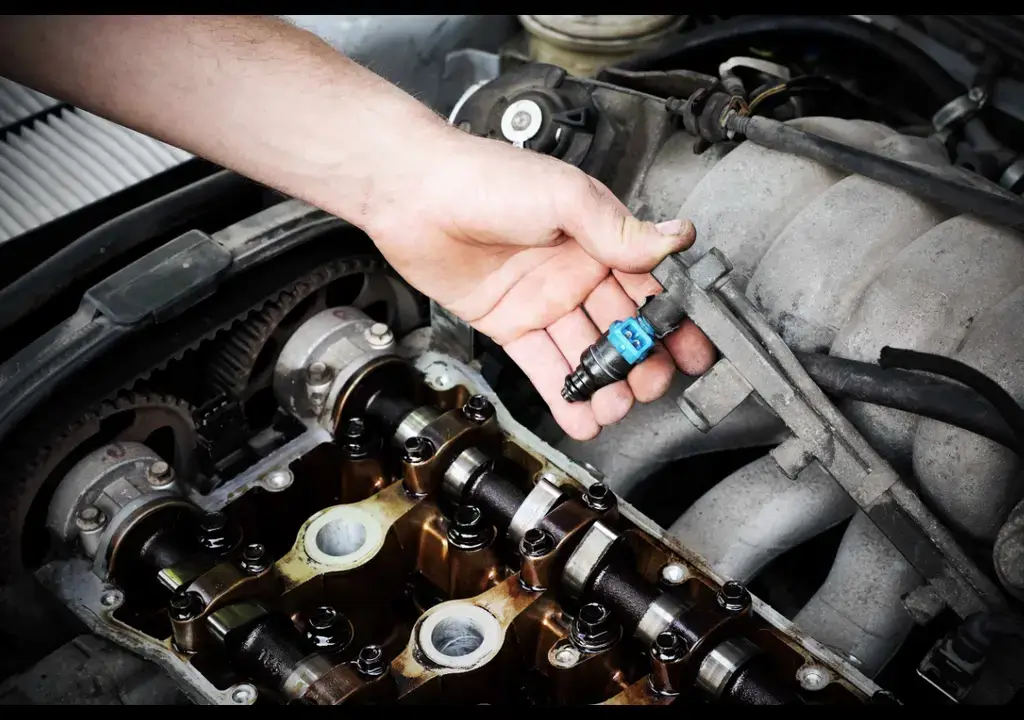
That can include making the fuel system safe and removing components that obstruct access. A photograph of an exposed injector on a different engine is not a labor guide for yours. Engine packaging can make two apparently similar replacement parts very different installation jobs. Removal time depends partly on condition. Damaged fasteners, deposits around a mounting area or a seized injector can require additional work.
The possibility of a complication is not proof that it will occur. Ask the shop which difficulties are already visible and which are contingencies, and require a revised explanation before extra work exceeds your authorization. Installation involves more than pushing a new injector into place. The applicable instructions determine cleaning, sealing, fastening and replacement of any specified single-use parts. Delphi’s common-rail guidance emphasizes appropriate service practices.
Its relevance here is that a correctly scoped repair includes necessary installation work rather than only the time spent handling the injector itself. Some applications require injector-specific data to be entered or an adaptation procedure to be completed. Others do not use the same process. Ask whether your engine requires such work and whether the quotation includes it.
A scan tool being present does not mean every injector is universally “programmed.” The vehicle-specific instruction settles that question. Finally, the workshop needs to inspect for leaks and verify the original complaint under suitable conditions. This work should be part of the completion plan. A vehicle that starts immediately after assembly has passed one observation, not every possible verification.
A cold-soak complaint may make next-morning assessment more informative than immediate collection. When the advisor gives a time estimate, ask which of these stages it covers. The answer should make it clear whether the car is booked for diagnosis only, confirmed replacement or a complete diagnosis-and-repair visit. That distinction is more useful than a generic promise that injectors are always a quick job.
Why engine design and access change the labor
Port injection and direct injection place fuel delivery in different locations. Bosch’s direct-injection overview describes fuel being delivered into the combustion chamber. That architecture is one reason instructions for a conventional port-injection rail cannot simply be transferred to a direct-injection engine. Identification comes before estimating access or tools. The number of injectors being replaced also matters, but labor does not necessarily multiply evenly. Some preparation may be shared when several injectors are accessible during one operation. Other work remains specific to each unit.
Ask whether the estimate accounts for shared access instead of multiplying a single-injector figure without explanation. Required ancillary parts can affect scheduling. A correctly selected injector may be in stock while a necessary seal kit, line or retainer is not. Request confirmation that the complete installation parts list has been checked. A dismantled vehicle waiting for a small required component can spend longer in the workshop than the labor estimate suggests. Prior modifications or an engine replacement should be disclosed before booking. A registration lookup may describe the original configuration rather than the engine now installed.
Provide the workshop with relevant invoices and part identification. Better application information helps avoid ordering the wrong injector and restarting the appointment after disassembly. Access difficulties should be distinguished from diagnostic uncertainty. “The intake assembly must be removed under the service procedure” is a defined operation. “We have not confirmed which component causes the complaint” is an unresolved diagnosis. Both can affect time, but only the first belongs automatically in a confirmed replacement estimate.
What can extend the vehicle’s stay?
Parts delivery, workshop scheduling and repair complexity are separate causes of delay. Ask which is controlling the collection date. A car waiting overnight for a scheduled technician is not necessarily receiving another night of billable labor. Likewise, a short parts delay can move completion to a later booking slot without changing the physical repair procedure. A difficult extraction should trigger communication. The workshop should explain the finding, the additional work proposed and any material risk to surrounding components. Agree on how photographs or findings will be recorded and who can authorize the next step.
This is especially useful when an initial estimate was made before the injector’s installed condition could be fully assessed. Contamination can change the scope beyond injector replacement. If the investigation identifies a wider fuel-system problem, replacing the originally suspected injector alone may not be a complete repair. Ask what new evidence changed the scope and which manufacturer procedure supports the additional work. Do not interpret every larger estimate as either automatically justified or automatically unnecessary. Repeat testing can also be legitimate. A vehicle reported to fail only after sitting overnight cannot always be verified in a brief warm road test.
Establish that need early so it is included in the downtime plan. If the symptom cannot be reproduced, ask what findings are available and what uncertainty remains before accepting a parts recommendation. For planning purposes, request a contact point rather than only a final collection promise. For example, agree that the shop will call after diagnosis, after parts confirmation or if the removal reveals an unexpected issue. These milestones let you arrange transport based on actual progress. They are more dependable than assuming the first estimate is an unconditional deadline.
Compare complete estimates, not just hours
Two quotations are comparable only when they cover the same diagnosis, replacement quantity, parts specification and finishing work. Ask whether the price includes necessary seals, specified lines, application-specific calibration and leak checks. Confirm whether taxes, diagnostic charges and any core deposit are included. A lower number can reflect a smaller scope rather than a faster technician.
The FTC’s repair guidance encourages written estimates and understanding repair terms. For injector work, make the authorization specific: vehicle identification, agreed work, cost limit and the circumstances that require another call. Retain that estimate alongside the final invoice so any change is visible. Ask about the warranty on both parts and labor.
A customer-supplied injector can create different arrangements from a workshop-supplied component, but do not assume a universal policy. Resolve who handles an incorrect part or later defect before installation. A cheap online purchase that needs to be returned after the car is dismantled can increase downtime substantially.
Do not confuse a cleaner appointment with replacement labor. A tank additive, an on-car cleaning procedure and removed-injector testing have different equipment, access and verification requirements. Have the service name expanded into an actual list of operations.
The phrase “injector service” alone is too broad to compare duration responsibly. At collection, ask what verified the repair and whether any follow-up is required. Check that the invoice identifies the installed parts and the work performed.
If the original symptom involved a particular cold start, load or temperature, confirm whether that condition was tested or remains to be observed. The best time estimate is therefore specific rather than impressive: an identified engine, an agreed repair scope, a labor allowance, a realistic collection window and a plan for unexpected findings. With those details, you can compare workshops and arrange downtime without relying on an unsupported all-vehicles hour range. When booking, ask whether the quoted completion window assumes every required part is already available. Confirm who will notify you if the diagnosis changes the order. If your transport needs depend on a same-day return, state that early and obtain a realistic alternative plan. A clear scheduling conversation is separate from, and just as useful as, the technical labor estimate.


Automotive reference information. Confirm specifications in the manual for your exact vehicle. Original replacement guides link to their research sources. About us