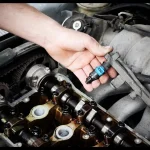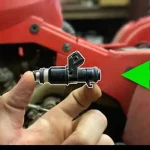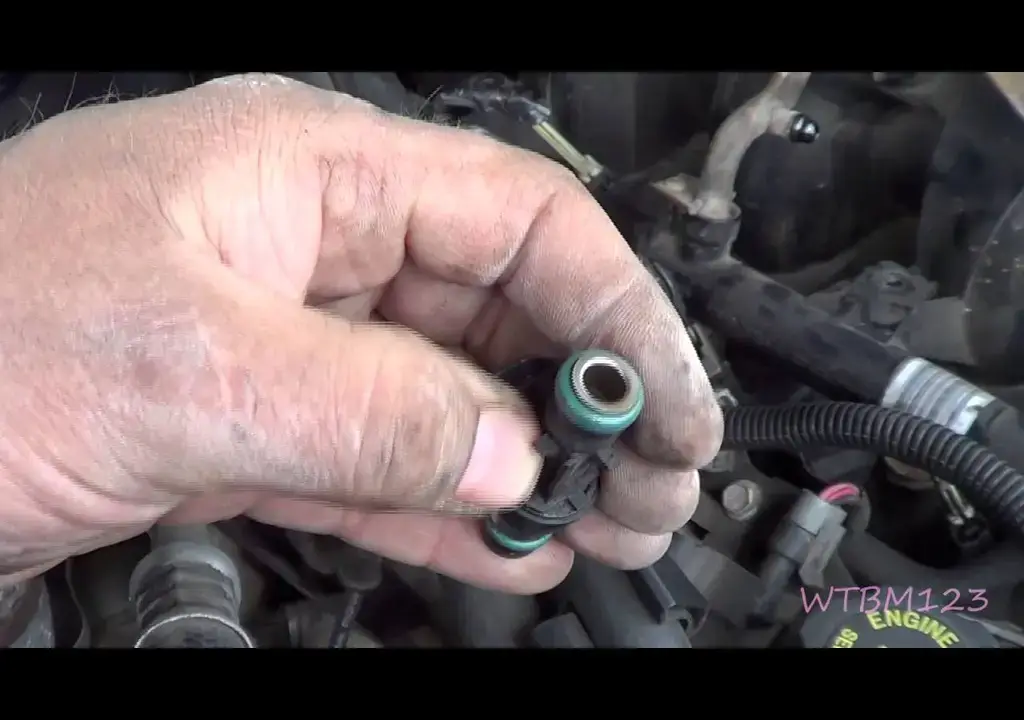

Replace a fuel injector when a suitable diagnostic procedure identifies a defect that requires replacement, or when the applicable manufacturer instruction directs replacement. Mileage, a rough idle or a code mentioning a cylinder is not enough on its own. The repair decision should connect a measured fault to the proposed part and explain why cleaning or an electrical repair would not address it. An injector can have an electrical defect, unsuitable fuel delivery, leakage or a problem at its installation interface.
These do not all call for the same repair. A damaged connector is different from an internally defective injector, and a seal problem is different from an injector that does not meter correctly. Ask the workshop to identify which condition was found before comparing replacement prices. This guide is for deciding whether a repair recommendation is supported.
It is not a universal removal procedure or a replacement interval. For the initial warning signs, use our fuel injector symptoms guide. Visible fuel leakage, severe shaking or repeated stalling requires prompt attention; do not keep driving while trying to collect more evidence.
What evidence supports replacing an injector?
The most useful repair report describes the complaint, the test conditions, the result and the component that failed the relevant comparison. “Injector bad” is a conclusion without that supporting chain. A cylinder-specific misfire may narrow the search, but ignition and mechanical faults can produce similar symptoms. A fault code is a starting point for the prescribed diagnostic procedure, not a parts order.
Electrical findings need interpretation against the exact injector design. An open winding, for example, differs from excessive resistance elsewhere in the circuit. Delphi’s common-rail electrical guidance distinguishes several electrical measurements. That is a useful reminder that one meter reading does not measure every aspect of injector operation.
- Do not apply a resistance range copied from a different engine. Delivery findings need equally clear context. Ask whether a fuel-delivery or return-flow comparison was performed, at what operating condition, and against which specification. A result outside an applicable limit is stronger evidence than a subjective impression of clicking.
- A click can indicate movement without establishing the quantity delivered or the quality of atomization. Leakage deserves its own explanation. The repairer should distinguish an external connection or sealing problem from internal leakage. Fuel smell alone does not locate the source.
- Have an unsafe leak assessed without opening the rail yourself, touching suspected spray or loosening a connection while the system is pressurized. Shared problems can mislead a replacement decision. If several cylinders are affected, ask whether supply pressure, contamination or a common electrical path has been assessed.
- Replacing multiple injectors cannot correct a separate upstream fault. Conversely, confirmed contamination may mean the repair needs to extend beyond the single injector that first produced a symptom. Request the evidence in language you can retain: affected cylinder, failed check, relevant comparison and proposed remedy.
You do not need to choose the technician’s equipment. You do need to know why the result points to this part. If the diagnosis remains uncertain, agree on the next investigation and its cost before authorizing a complete set of injectors.
Is there a mileage at which all injectors should be replaced?
There is no replacement mileage in this guide that applies to every fuel injector. The vehicle’s own maintenance and service information takes priority. An unsourced lifespan such as “replace them at 100,000 miles” turns a broad expectation into an unsupported maintenance instruction. Age can be relevant background, but it is not a failed test.
Keep scheduled maintenance separate from diagnosis. A specified fuel-filter service can be due while the injectors remain functional. An injector can also fail before any round mileage milestone.
- Neither case is resolved by treating the odometer as a direct measurement of injector condition. Fuel quality and contamination history matter when deciding what to investigate. Delphi’s common-rail service guidance discusses contamination and diagnostic assessment.
- The practical question is whether the current fault has an identified cause that would damage a replacement if left unresolved. Ask how that cause will be addressed, rather than assuming that a new part resets the whole fuel system. Past repairs also matter.
- Record which injector was replaced, its part number, whether coding was required and what prompted the work. Repeated failure at the same cylinder may deserve a different investigation from unrelated failures over many years. Preserve invoices instead of relying on a recollection that “the injectors were done.” A preventive replacement proposal should identify its basis.
- It might arise from a specific service instruction, a verified pattern on the actual application or a documented condition found during another repair. Those are more useful explanations than the assertion that all older injectors are automatically unreliable. Ask for the applicable instruction if a mandatory interval is claimed.
For a vehicle running normally, start with its maintenance schedule and fuel requirements. Do not buy a replacement set solely because a cleaner advertisement, forum comment or parts listing uses a broad lifespan claim. If the manufacturer has issued an applicable campaign or service procedure, have its current scope checked using the vehicle identification.
Cleaning, one replacement or a complete set?
Cleaning and replacement solve different problems. A suitable cleaning procedure may be considered for an identified deposit-related complaint when the vehicle and injector manufacturer permit it. It does not repair a broken electrical winding, worn component or damaged body. Nor should a cleaner be used to postpone investigation of a fuel leak.
Ask what result is expected from cleaning and how it will be checked. A service offered without a baseline cannot easily demonstrate that an injector fault was corrected. If an authorized cleaning procedure is attempted, retain the before-and-after findings and agree on what happens if the complaint remains. Avoid paying for repeated treatments merely because each bottle is cheaper than a replacement.
- Replacing one injector may be appropriate when one is confirmed faulty and the rest of the system passes the relevant checks. A complete set may be justified by application-specific instructions or broader findings. The number of cylinders alone does not establish the number of parts to buy. Ask the shop to separate the failed unit from any additional units recommended as a precaution.
- The estimate should also distinguish parts that must accompany the repair. New seals, specified single-use components and required calibration work can be legitimate parts of injector replacement. Their necessity depends on the service procedure. An inexpensive injector quote that excludes required installation work is not directly comparable with a complete repair estimate.
- Check fitment using the actual vehicle and engine configuration. Connector shape is not proof of compatibility. Our injector compatibility guide explains why part-number confirmation, fuel-system design and calibration requirements matter.
- A replacement that physically fits but is incorrectly specified can create a new diagnostic problem. Consider warranty authorization before dismantling. If a service contract may apply, ask the administrator what approval and evidence are required.
Do not assume that paying first guarantees reimbursement. The FTC’s repair guidance recommends understanding coverage, claim procedures and written repair terms. Retain the diagnosis and itemized estimate with your service records.
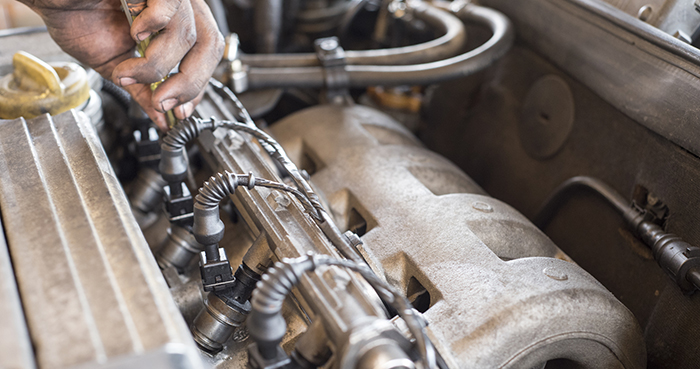
Credit: fuelpumpu.com
Questions to settle before authorizing the repair
Ask the service advisor to complete this sentence: “We recommend replacement because this injector failed this check under these conditions.” If the explanation only repeats your original symptom, the diagnosis may not yet be complete. If the repair is urgent because of a leak or unsafe running condition, arrange safe transport while the explanation and estimate are prepared. Ask whether the quotation includes diagnosis, the replacement part, necessary seals or lines, programming where applicable, and final verification.
Also ask what could change the estimate after disassembly and when the workshop will contact you. A clear authorization limit prevents a difficult removal from silently becoming a much larger job. After replacement, the check should revisit the original complaint.
A cold-start problem needs more than a smooth warm idle; an intermittent symptom may require an agreed observation period. Ask for the post-repair scan and relevant measured results, not just confirmation that fault codes were erased. Clearing a code is an action, while verifying a repair is a finding.
If the same symptom remains, return with the original work order and a precise description of when it occurs. Do not assume the new injector is defective or immediately authorize another set. The next step is to compare the present evidence with the original diagnosis and determine what was or was not resolved.
Replacement is justified by the condition and the applicable procedure, not by fear of reaching a particular mileage. A useful decision leaves you with a documented reason for the part, a defined installation scope and evidence that the vehicle now behaves as expected. Keep those three items together for any future fuel-system investigation. Before deciding that a repair is uneconomic, compare the confirmed injector work with the vehicle’s wider condition. Keep unrelated maintenance separate from the injector estimate. If a second opinion is sought, supply the original measurements rather than only the proposed parts list. That allows the second workshop to review the reasoning instead of beginning with the same unsupported symptom label.


Automotive reference information. Confirm specifications in the manual for your exact vehicle. Original replacement guides link to their research sources. About us