
Start with the vehicle, then confirm the filter
A Toyota oil filter lookup should connect an identified vehicle and engine to a current replacement part. Begin with Toyota’s official parts information, enter the correct vehicle details and confirm the result before ordering. Do not begin with the most popular filter in a search result and assume it belongs on your car. If the tool returns several possibilities, the next step is to resolve the application difference, not select whichever costs less.
Credit: www.walmart.com
Gather the information that makes the search specific
Keep the model, model year, engine and market of original sale together. Toyota’s vehicle-specification tool accepts a 17-character VIN and provides vehicle information. Its identification guidance lists the dashboard near the windshield, driver-side doorjamb, insurance card and registration as places to find that identifier. Read it from a reliable record and check the transcription. A VIN result describes the original vehicle; disclose a replacement engine or modified filter housing separately rather than expecting the identifier to reveal later changes.
Use the manual for service context, not as a promised parts list
Toyota’s manuals and warranties page lets owners select a vehicle to find its documents. Use these to establish the applicable engine information and maintenance requirements. Do not assume every owner’s manual prints the currently orderable filter number. A document can explain oil service correctly without being a live parts catalogue. Conversely, a parts search result does not replace the manual’s installation, oil specification or service-interval instructions.
A vehicle-led lookup through official Toyota information
The Toyota online parts store offers vehicle selection and searches by keywords, part numbers or full VIN. The interface may change, but the evidence you need remains consistent: the correct vehicle context, the right component category and an application-supported part. Work through these checks before treating an item as ready to purchase.
- Set the vehicle first. Enter the actual vehicle identification or the requested model information. Confirm the selected vehicle shown by the tool instead of assuming a previous search, saved garage entry or browser session is still appropriate.
- Resolve engine distinctions. If the system offers different engines, fuel types or other relevant choices, select the documented one. Stop when a field is unknown rather than choosing the first option to make the search continue.
- Search for the engine oil filter. Keep engine-oil service separate from transmission strainers, fuel filters and oil-system housings. Similar category words do not mean the products perform the same service task.
- Open the actual product result. Read its full description, reference and application information. A search-card image or a generic “oil filter” heading can leave out the details needed to distinguish a canister from an element or a separate housing.
- Confirm the selected application before ordering. If a fit check is incomplete, contradictory or unavailable, retain the candidate number and request confirmation from the supplying dealer. A result appearing in a search is not the same as a completed fitment check.
Save enough of the result to repeat the decision: the selected vehicle, complete part reference, any qualifying note and the date checked. A cropped screenshot containing only a price and product photograph loses the information that made the result useful. Keep the order confirmation with the application evidence.
Why the same model year can produce more than one result
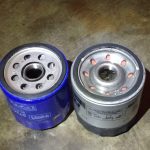
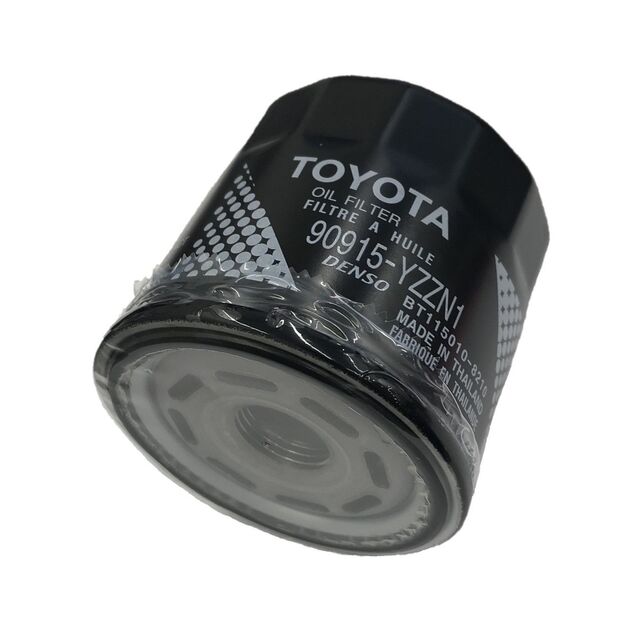
A broad model-year search may not distinguish every production configuration. Toyota’s 2025–2026 application chart, based on 2024 FMPC Update 2, illustrates this with C-HR entries: a 2018 element-type entry lists 04152-YZZA6, while a 2018–2022 entry for the other filter arrangement lists 90915-YZZN1. The overlapping year is a reason to resolve the actual configuration, not permission to choose either part.
- Read every qualifier attached to the row. Engine designations and filter-arrangement notes narrow the application. Do not copy only the model name and number while discarding the field that distinguishes the two options.
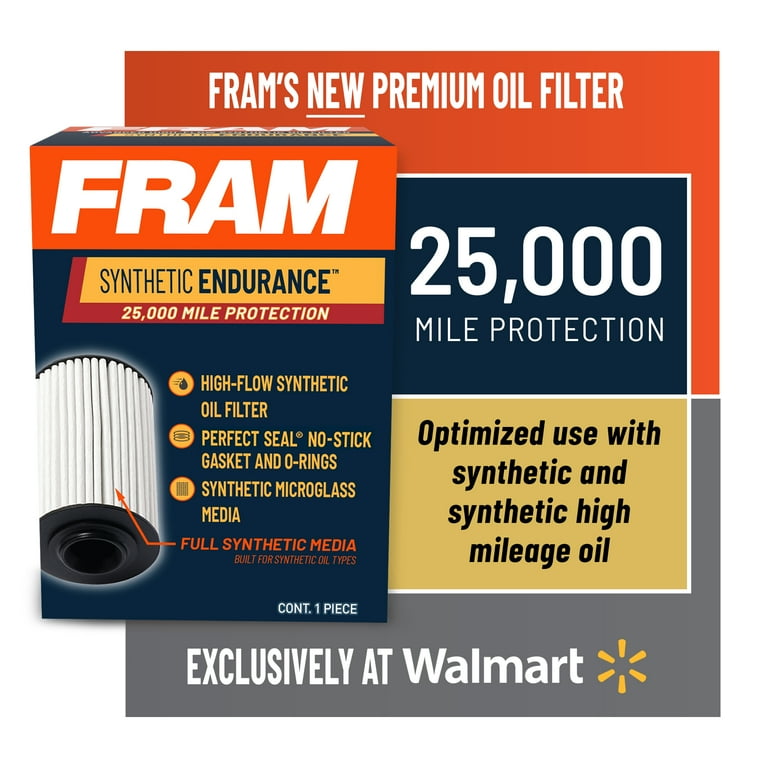
- Identify what is actually being replaced. Toyota’s 04152-YZZA6 product page identifies a replaceable element. The page also offers a vehicle-fit check. Product identity and vehicle compatibility are two separate pieces of information; knowing one does not establish the other.
- Use current confirmation to settle ambiguity. A dated chart is a useful lead, especially when the web interface is unhelpful, but its open-ended rows should not be projected into every later model year. Ask the dealer to resolve the exact vehicle and current service part.
Avoid identifying the arrangement solely from a generic product photograph. If inspection is necessary, use the service diagram or qualified assistance. A lookup question does not justify removing unfamiliar covers, loosening a housing or beginning an oil change before the correct parts are available.
Choose the right source for the missing answer
Different Toyota resources answer different questions. Combining them is useful when each retains its purpose. Do not expect a general owner page, an application chart and a dealer’s stock screen to provide identical information.
- Vehicle and owner documentation: use the identification and manual resources to establish which vehicle and maintenance requirements you are dealing with. A missing retail filter number in the handbook is not evidence that the engine has no filter.
- Application charts: the official chart directory states that its information applies to U.S. vehicles. Preserve that market scope. An imported Toyota can require information from its original market even when its model name is familiar locally.
- Parts-department confirmation: use Toyota’s dealer locator to find a legitimate contact when the catalogue leaves a choice unresolved. Give the exact vehicle information, competing references and the note that caused uncertainty; ask which current part is supported.
Toyota’s public TIS document search also lets users select division, model and model year for available documents such as owner’s manuals. That can help recover the right documentation. It should not be presented as a completed VIN-specific filter order or as proof that every technical resource is freely accessible.
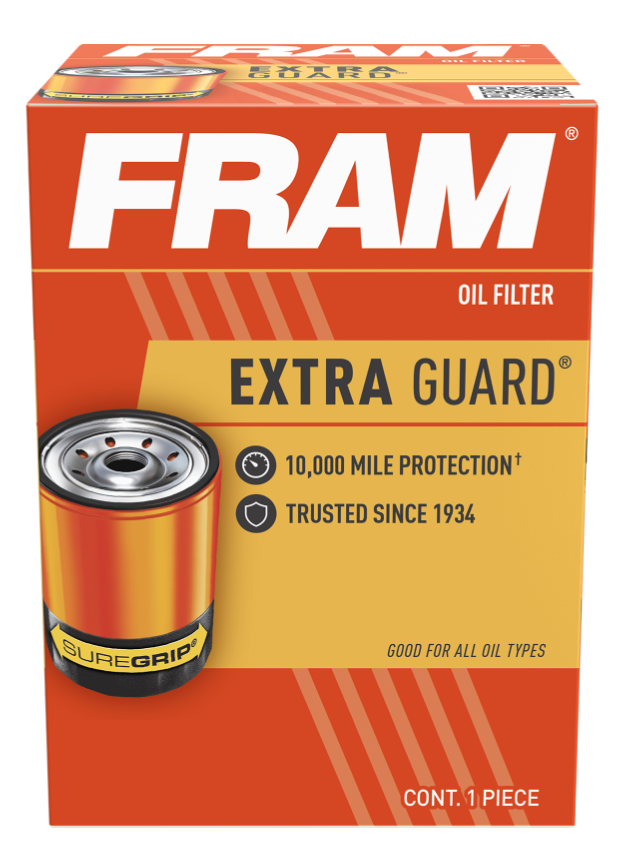
Credit: www.fram.com
Resolve a failed or conflicting lookup in a useful order
A failed online search is a problem to investigate, not a reason to buy an approximately similar filter. The following sequence keeps the next enquiry precise and avoids repeatedly entering the same uncertain information into different shops.
- Check the identifier you entered against the vehicle or original document. Correct a transcription error before interpreting a rejected search as a catalogue coverage problem. Do not invent missing characters.
- Confirm the selected model year and engine. A registration date, a sales description and the catalogue’s model-year field can refer to different information. Establish the requested value instead of forcing the nearest available choice.
- Check the market covered by the catalogue. If the car was imported, tell the parts specialist its original market and provide the available model or chassis identification. A different national catalogue may organize applications differently.
- Clear an incorrectly selected vehicle through the site’s own controls and restart the search. A product result associated with another saved vehicle can look convincing until the selected application is examined.
- Open each candidate description and note what differs. Record whether the results concern an element, complete filter, housing, cap or another oil-system component. Different products do not necessarily mean the catalogue disagrees.
- Keep any production or equipment qualifiers attached to the candidates. Do not discard a note merely because the main model and engine description match. Ask which detail separates the listed applications.
- Compare the current reference with the old invoice without assuming they must be identical. Our Toyota part-number guide explains documented previous-version fields and the limits of interpreting them.
- Tell the supplier about replacement engines, conversions or non-original housings. A factory vehicle lookup cannot by itself verify the service requirements of subsequently fitted hardware.
- Request a clear written answer when the disagreement remains. Include the two numbers, their sources and the relevant vehicle details. “Which part is current for this application?” is more answerable than “Which website is right?”
- Resolve the issue before dismantling the vehicle. If the dealer needs a photograph or further identification, arrange that safely. Keep the car assembled when possible until the parts and service procedure are established.
Do not turn catalogue shortcuts into compatibility claims
A lookup can identify a candidate without proving every claim made about it. The following distinctions help keep a parts search within what its evidence actually supports.
- A retailer’s recommended item is not proof that all filters displayed beside it fit the same engine. Related products may be accessories, alternatives for other vehicles or general promotions.
- A filter that threads on is not a completed catalogue check. Its sealing arrangement and application requirements still need to be correct; physical attachment alone cannot resolve conflicting references. Our oil-filter interchangeability guide explains that distinction.
- An aftermarket cross-reference is a separate manufacturer’s claim. Confirm the alternative’s own current application instead of treating an old Toyota number as a universal interchange key.
- A correctly identified product does not establish its stock status, package quantity or included seals. Check the actual order details so the service does not stop because a required item was omitted.
None of these checks requires ranking brands or promising an engine-performance improvement. The immediate goal is narrower and measurable: identify the intended service part and remove unexplained contradictions before purchase.
What a finished lookup should leave in your records
A completed search produces more than a remembered number. Keep these four details with the service paperwork so a future owner or repairer can understand how the part was selected.
- The vehicle and engine identified, including any relevant market or modification information that affected the search.
- The full filter reference and item description, with the supplying company and any documented replacement-number explanation.
- The source and date of application confirmation, including the relevant qualifier when the broad model-year search had several results.
- The delivered and installed part reference, along with the service date and any separately supplied seals or other components.
Questions about Toyota filter searches
Can I find the filter without a VIN?
A model-and-engine search may identify a candidate, especially when the application is unambiguous. It should not be treated as equivalent to resolving a production-specific difference. If the tool or dealer needs further identification, supply it before accepting the result.
Why does a search return a housing instead of an element?
Search terms can match several oil-system parts. Read the item description and diagram context rather than assuming the first result is the routine service replacement. Ask which element, seals or complete assembly the requested maintenance actually requires.
Does a hybrid need a different lookup method?
Identify the actual hybrid model and engine through the catalogue’s available choices. Do not omit the hybrid designation where it distinguishes applications, or assume it proves a particular filter number. The same discipline applies: verify the engine-oil service part for the selected vehicle.
What if the delivered filter disagrees with the saved result?
Pause the installation and compare the box, filter markings and order. Give the supplier the saved application result and ask it to explain the discrepancy. A later number may be valid, but an unexplained substitution should not be accepted solely because it arrived in the shipment.
Finish the application check before starting the job
The reliable sequence is vehicle identification, appropriate Toyota information, a complete product result and resolution of any ambiguity. A lookup is finished when the selected part is supported for the actual application and its contents are understood. This guide explains that process from public Toyota resources; no private VIN lookup, vehicle inspection or filter installation was performed for an unidentified reader.


Automotive reference information. Confirm specifications in the manual for your exact vehicle. Original replacement guides link to their research sources. About us