
Some car air filters can be washed, but the permission belongs to a particular product, not to every filter that looks similar. Find the installed part number and its maker’s maintenance instructions before adding water. If the element is disposable or its identity is unknown, do not treat washing as a harmless experiment. A clean appearance cannot establish that the element still filters or seals correctly.
Start by identifying the component: the engine intake element and the passenger-compartment filter serve different air paths. Either may have been replaced with an aftermarket product. The vehicle manual explains access and the factory specification; a previous owner’s washable replacement may need an additional product-specific service sheet. Those documents should agree on fit, while the installed product’s instructions establish its cleaning method.
This guide helps you decide whether washing is permitted. Once that is established, use the separate car air-filter cleaning workflow to organize the work. Do not order cleaning chemicals simply because a bottle says “air filter.” Different media and applications can require different cleaners, finishing treatments and drying instructions, even within a single brand.
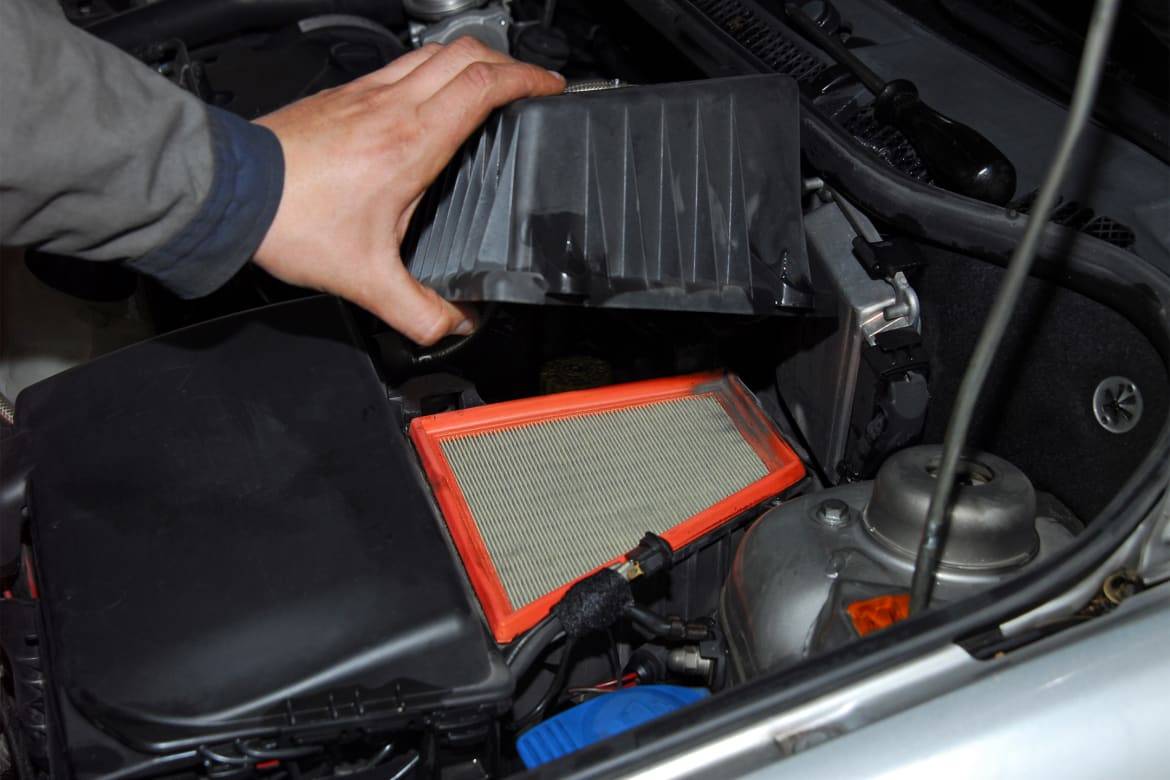
Credit: www.cars.com
What actually makes an air filter washable?
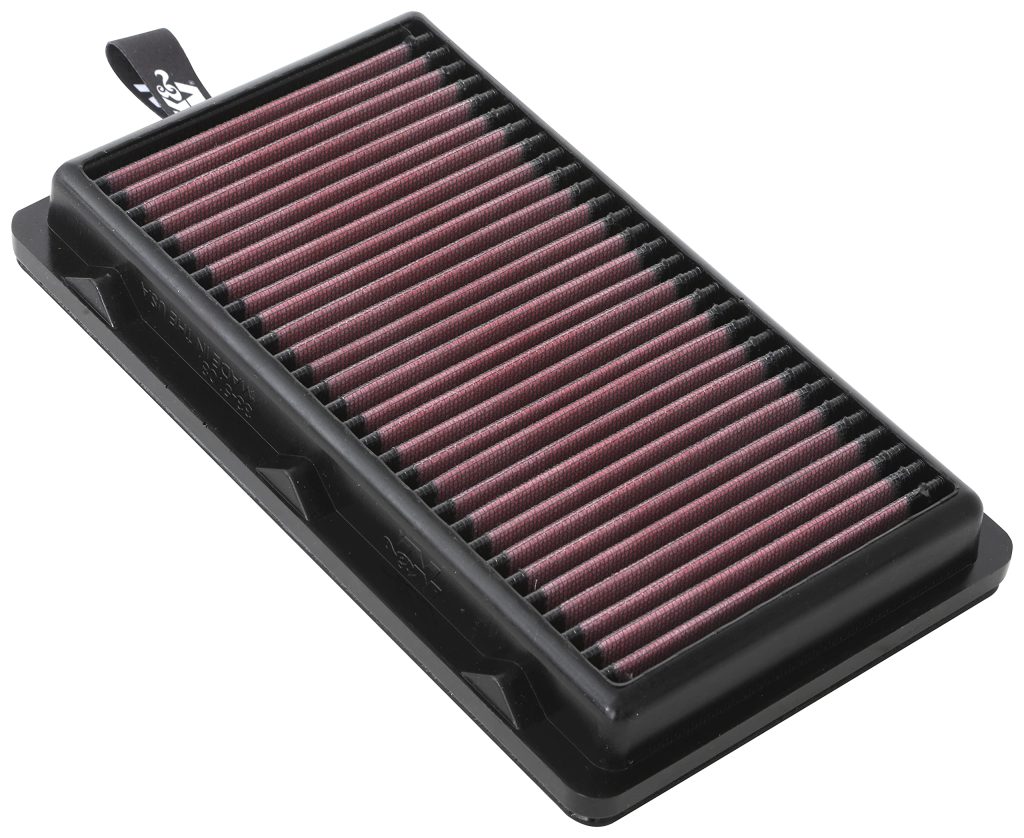
A washable element is designed and sold for repeated servicing under defined conditions. Its frame, filter material and bonded joints must tolerate that procedure together. MANN-FILTER’s construction guide illustrates why the medium and sealing structure both matter. The visible pleats are only part of the component; an intact sheet in a distorted frame is not a properly restored filter. Construction alone still does not authorize washing.
- Explicitly washable and oil-treated: use the specified wash and re-oiling procedure for that product. Do not omit a required finishing step merely because the element looks clean.
- Explicitly washable and oil-free: cleaning does not make oil necessary. AEM describes its DRYFLOW replacement elements as washable products that operate without filter oil.
- Disposable or unidentified: establish the correct replacement or obtain manufacturer confirmation. A wire support, coloured medium or fabric-like texture does not supply the missing service instructions.
| Evidence you have | What it tells you |
|---|---|
| Exact product instructions permit washing | The specified process is available for a sound element of that identity. |
| The filter feels like cloth | Texture does not establish compatibility with water or chemicals. |
| An old receipt says performance filter | The description is insufficient; trace the manufacturer and reference. |
| A warning lamp or poor acceleration | Diagnose the fault; neither symptom proves the filter can be washed. |
Washable, dry and reusable are different descriptions
“Dry” does not consistently mean disposable, and continued service does not always mean washing with water. For example, S&B distinguishes its cotton and dry products and describes a controlled compressed-air method for its dry range. AEM’s washable oil-free DRYFLOW range provides a different example. These brand-specific meanings are a reason to read the reference-specific instructions instead of converting one label into a rule for all filters.
Likewise, the word “clean” in a vehicle manual needs context. Cleaning loose debris from an empty housing is a different operation from soaking its element. The 2026 Corvette European owner manual specifically prohibits water or compressed-air cleaning of its engine air cleaner/filter and components. That is an application-specific instruction, not a ban covering products expressly engineered for a different process. Follow the document applicable to what is actually installed.
| Question | Documented washable element | Documented disposable element |
|---|---|---|
| What ends normal service? | Cleaning when required, or replacement if damaged | Replacement under the applicable maintenance instructions |
| What supplies are needed? | The specified cleaner and any required finishing product | The correct new element and installation supplies |
| Can colour prove remaining life? | No; inspect and follow the product’s service criteria | No; use the applicable inspection and replacement guidance |
| What should a quote include? | Cleaning labour, supplies and any replacement needed | Part identity, quantity and installation labour |
The service category does not promise endless life. Check the frame, seal and medium each time the part is handled. K&N’s warranty page sets out coverage conditions and exclusions; warranty language is not a substitute for inspecting the filter on your bench. If the supported cleaning procedure cannot return it to serviceable condition, the fact that it was sold as reusable does not oblige you to reinstall it.
Confirm the method before the first rinse
Keep a record of the product reference while it is still legible. Photograph its label, save the purchase receipt and find the current maintenance page. If the identification is incomplete, ask the manufacturer to identify the element from the reference and photographs. Include whether it serves the engine or cabin. Do not send only the car model: that may identify the original part but not an aftermarket element fitted later.
Read the complete procedure before removing anything. It should establish which cleaner applies, how it is applied and rinsed, how the element is dried, and whether a finishing product is required. K&N publishes separate procedures for several filter families, including oiled cotton, DRYFLOW and washable cabin products. Their differences make a generic instruction to soak every filter in household soap unreliable.
Allow enough time for the documented drying and finishing stages. Do not invent a faster method because the vehicle is needed immediately. If the specified process will leave the car unavailable, schedule the work differently or arrange a suitable replacement element. The ability to complete the maintenance properly is part of the purchase decision; a washable filter is not necessarily the most convenient choice for every household.
Decisions that a wash cannot settle
A tear, a separated joint or an edge that no longer seats securely is a replacement issue, not an extra-dirt issue. Avoid patches, added sealant or improvised clamping to keep such an element in use. The correct repair needs to restore both the intended air path and its seal. If the housing itself is cracked, installing a freshly washed element does not repair that housing.
Do not wash an unknown element to learn what it is made from. Its response to water is not a meaningful qualification test. A filter that survives one rinse without visibly falling apart may still have an unsuitable medium, coating or joint. Where the product cannot be identified, compare a confirmed replacement with further investigation rather than risking an experiment on a part protecting the engine or ventilation system.
If a disposable element has already been soaked, stop treating it as a normal scheduled service. Tell the parts supplier or workshop what liquid was used and ask for the specified replacement. Drying it until it feels crisp does not establish restored performance. If water may have entered the intake, avoid starting the engine and arrange an inspection; the question is then broader than whether the removed element is reusable.
Keep the work area organized so the removed filter cannot be confused with a new spare. Mark the storage bag or container, not an unknown area of the filtering medium. If several family cars are being serviced, keep each reference with its own vehicle record. Similar dimensions can conceal different applications, and a maintenance log is only useful when it identifies which part received the work.
Washing is also not a diagnosis for an engine warning or unpleasant cabin smell. A faulty seal, another intake fault, moisture elsewhere in the ventilation system or an unrelated engine problem may need attention. Record when the symptom occurs and whether it began before or after maintenance. That information helps a technician investigate without assuming the filter is responsible merely because it is easy to reach.
Choose a maintenance plan you can follow
Use the vehicle’s service schedule together with the fitted element’s instructions, including any provisions for dusty use. Do not import a mileage figure from a different product’s advertisement. If the two sets of instructions appear incompatible, resolve that with the manufacturer or workshop before extending an interval. A long claimed service life does not authorize overlooking visible damage or a problem that appeared after an unusual exposure.
For cost comparisons, include the cleaning supplies and time you will actually use, rather than assuming every wash is free. The reusable-filter value guide explains how the number of completed services changes the result. Washability is a maintenance capability; it does not by itself establish lower lifetime cost, better filtration or a quantified environmental benefit.
Fuel savings should not decide whether an unidentified filter gets washed. The Department of Energy’s maintenance guidance distinguishes the fuel-economy effect in older carbureted vehicles from modern fuel-injected vehicles, where replacing a clogged element can improve acceleration without delivering the same fuel-economy benefit. That distinction does not provide a horsepower figure or a reason to neglect the proper replacement schedule.
For a used car with uncertain service history, make identification the first small project. Gather the vehicle details, fitted filter reference and any intake-kit identification, then obtain the applicable documents. Once confirmed, save those references with the maintenance record so the next service begins with an answer rather than the same guess. Ask the workshop to record any change from the previous product.
- Confirm the fitted part and its service category before buying a wash kit. Keep the engine and cabin applications clearly separated in your notes.
- Inspect the whole element and housing, not only the visible dust. Follow any model-specific access precautions and avoid disturbing unrelated wiring or components.
- Finish with the correct installation and a service record. If the element cannot be seated as instructed, resolve that problem before operating the system.
The answer depends on the identified product
Wash a car air filter only when its maker supports washing that exact element and it remains fit for reuse. Use the documented procedure from beginning to end. Otherwise, identify a suitable replacement or obtain a clear technical answer before proceeding. This keeps the decision tied to the component’s design and condition, instead of its appearance, a generic video or the wish to avoid buying another filter.


Automotive reference information. Confirm specifications in the manual for your exact vehicle. Original replacement guides link to their research sources. About us