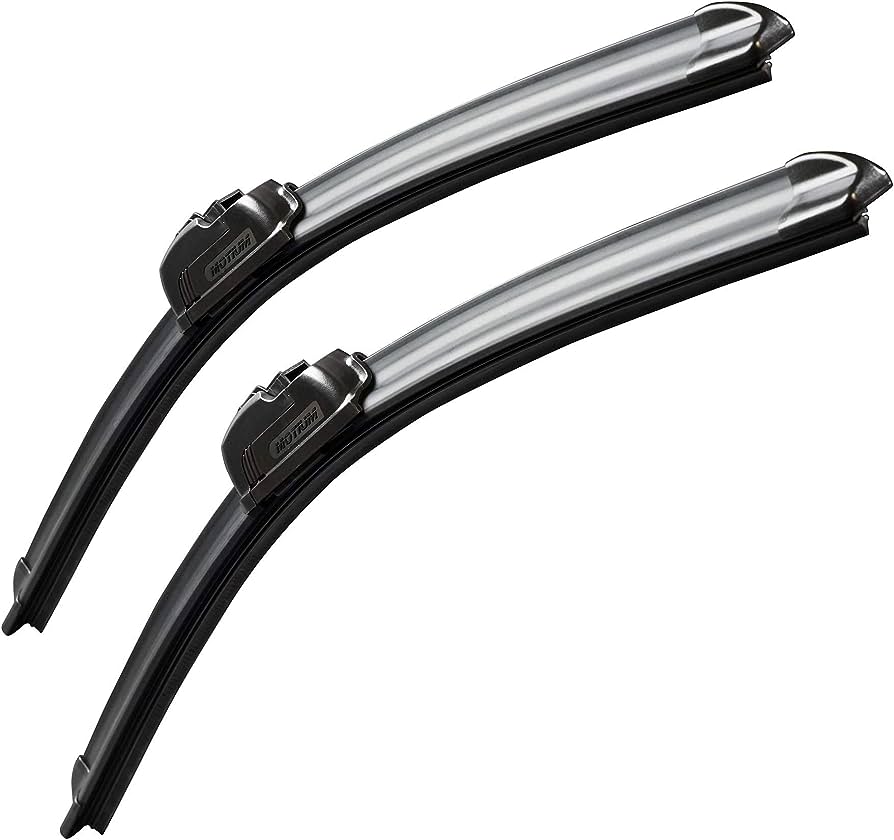

Wiper blades are sold both individually and in pairs. The quantity depends on the particular product and listing, so one item in your shopping cart may mean one blade or one package containing two. Read the included contents before paying. Do not infer quantity from a photograph of a car with two front wipers, from a plural product-category name or from the price. DENSO’s flat-blade range includes kits and single-piece products, and its retrofit description explicitly identifies single-packed blades. In contrast, TRICO says its Diamond range is sold in two-packs. These examples establish that both formats exist; they do not establish the packaging of another reference from either company. Keep three questions separate: how many assemblies the car needs, how many the seller supplies in one purchase unit, and which references fit the intended positions. A satisfactory answer to only one can still leave you with an incomplete order. The package count should be stated in words or a contents field, not guessed from an image. If it is absent or conflicts with the description, ask the seller to confirm it using the exact item number before placing the order.
A twin pack is a packaging choice, not proof of matching parts
A pair can contain two different lengths or position-specific references. It does not necessarily mean two identical blades. Nor does a pair sold under a familiar vehicle name automatically suit every production year, market or arm fitted to that model. Read the individual specifications within the set. A useful confirmation is “one driver-side front blade of this reference and one passenger-side front blade of that reference,” followed by the applicable vehicle details. That is more precise than “a set for my car.” Be alert to numbers describing features rather than quantity. Rain-X explains Latitude 2-in-1 as wiping plus water repellency; the phrase identifies two functions, not evidence that a package contains two blades. Similarly, a multi-adapter description concerns connector options, not the number of wiping assemblies supplied. Keep the distinction when comparing a manufacturer twin pack with two singles grouped by a retailer. Both can be legitimate ways to obtain the required parts, but verify their contents separately. A front pair also should not be assumed to contain the rear-window blade. If a listing calls itself a full set, ask it to name every included position instead of assigning your own meaning to that phrase.
Buying a pair and replacing both are separate decisions
Packaging does not determine whether one or both installed blades need attention. Inspect every fitted position and follow the relevant vehicle or product service guidance. Rain-X’s inspection guidance identifies such concerns as split rubber, damaged frames, corrosion and insecure elements. Those findings matter more than assuming both sides must have deteriorated identically. Replacing the front pair together may be a convenient way to complete a scheduled service, but one damaged blade does not prove that the other has the same defect. Equally, a quiet passenger-side blade is not necessarily clearing properly; check its performance too. If only one part is being replaced, it still needs to satisfy the application and any pairing requirements in the instructions. Do not postpone a needed repair merely to wait for the second side to fail, and do not rely on a damaged blade because a new pair has not arrived. When visibility is inadequate, arrange the necessary repair before driving in conditions requiring the wipers. A supplier can discuss individual replacements, compatible sets and the actual service need without treating a promotional bundle as a diagnosis. Record which position was renewed so a later inspection does not mistakenly assign the same installation date to every blade.
Credit: www.walmart.com
Match the two positions before choosing a quantity
Use the vehicle handbook or the blade maker’s application system to establish the front references. The North American Model 3 manual, for example, specifies different driver and passenger lengths and requires the original connector type. That is a documented application example, not a size recommendation for all Teslas or another car. It illustrates why ordering quantity two of the longer part can be wrong even though two boxes arrive. Write the side beside each reference before you shop, including any equipment or production notes from the lookup. If you are buying for a vehicle with modified or replaced arms, disclose that change to the supplier. Our guide to identifying the longer blade explains why measuring an old assembly alone does not establish the required replacement. Two blades may share a nominal length yet still carry different position assignments, so retain the full part identity rather than shortening your shopping list to two numbers in inches. For a rear blade, make a separate entry and consult its own fitment. The front-versus-rear comparison explains why that item is not automatically interchangeable with a front assembly.
Check the cart in units, then in pieces. Suppose a confirmed front-set listing contains the two correct assemblies. Quantity one buys one such set; quantity two would normally request two sets, subject to that seller’s stated unit definition. Conversely, a single-blade listing with quantity one leaves the other front position unfilled if both are needed. This example is shopping arithmetic, not a claim about a particular store’s checkout. Review each cart line’s reference, package count, side and selected variation together. A product page may offer several length combinations, while its main photograph stays unchanged as you select them. The text of the chosen option must support the order. Before checkout, verify that the confirmation still shows that option and that any separately required adapter is actually included. If the order is split between suppliers, keep both expected deliveries visible in your notes; receiving one parcel does not complete the job. If a seller proposes an alternative after ordering, recheck its application and contents rather than approving it because the total price is similar. This process also catches accidental duplicate singles added while searching for the second position.
Compare complete blades, inserts and the full purchase
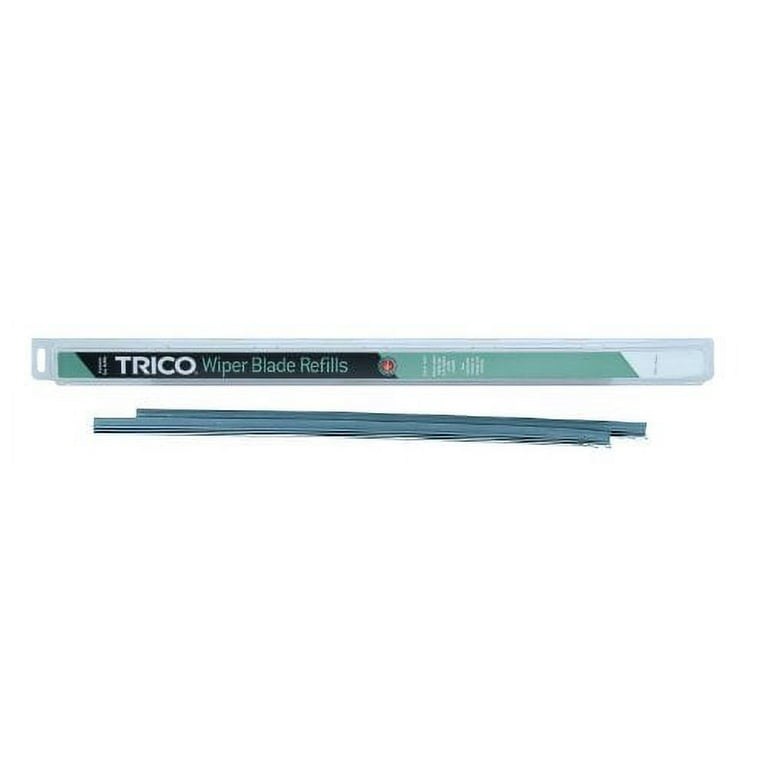
The item being counted matters as much as the count. A complete replacement blade, a rubber refill and a wiper arm are different parts. TRICO’s refill catalog describes replacement wiping elements with different profiles, illustrating why a two-piece refill purchase is not automatically a pair of complete assemblies. If you intend to retain a refillable blade, identify its supported insert and the required quantity; if the frame or connector is damaged, an insert alone does not repair it. Avoid interpreting a low-priced listing as a bargain until the actual component is clear. Compare the delivered total for the same supported job, including all required assemblies, any separately supplied fittings and installation if needed. A pair may cost less than two singles in a particular offer, but that cannot be assumed across sellers or dates. Nor does a higher pair price prove longer service. Check the seller’s stated return conditions before opening or altering anything when compatibility is uncertain; no universal return period is established here. Save the listing or order confirmation showing what was promised. If the delivery differs, that record lets you describe a missing blade or incorrect variation precisely instead of arguing over an ambiguous product photograph.
Check the delivery before taking the old blades off. Lay out the purchased items somewhere clean and identify their labels, intended positions and supplied fittings. Compare them with your confirmed list, not merely with each other. DENSO’s replacement instructions call for confirming the correct replacements and fixing system before removing the old blades. This is especially useful when a set has arrived in a single outer carton: the carton can be correct while an item inside still needs verification. Do not split an uncertain set between two cars or discard all packaging before the references are checked. Follow each actual connector’s instructions, maintain control of the spring-loaded arm and use any required service position. After installation, complete the prescribed wet operating check with people and tools clear of the moving system. A complete delivery is not proof of a complete fitting, and a secure attachment is not proof that the wrong length will clear properly. If the supplier offers fitting, confirm which purchased items it will install and whether a special connection changes that service. Keep the two front position labels distinct throughout the job, even where the blades are visually similar.

Credit: www.amazon.com
The useful answer is in the contents of the exact listing
Before paying, you should be able to explain what quantity one supplies, which positions those components serve and why each reference belongs on your vehicle. If any of those answers is unclear, obtain the missing information first. Pairs are available, and singles are available; neither format is automatically the right purchase. Keep a small maintenance record containing the references, purchase count, installation dates and any fitting notes. That prevents a future reorder from confusing a carton quantity with the number installed. It also helps when a product is later repackaged or the seller changes its bundle. For the larger application question, the wiper compatibility guide covers the checks beyond package quantity. This article uses current manufacturer examples to explain how to read an offer, without estimating market shares, claiming to have checked local stock or promising that a matched package will cure an existing wiping fault. The best evidence is the clearly described, correctly selected contents you will actually receive.


Automotive reference information. Confirm specifications in the manual for your exact vehicle. Original replacement guides link to their research sources. About us