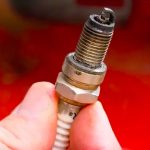

Bad spark plugs can cause slow or uneven acceleration in a spark-ignition engine when they prevent reliable combustion. They are one possible cause, not a diagnosis that follows automatically from pressing the pedal and feeling less response. The same complaint can involve another ignition component or a problem outside ignition altogether.
First decide whether the vehicle can be used safely. A substantial loss of power, severe shaking, a flashing warning or an inability to keep up safely with traffic calls for prompt attention. Follow the vehicle’s warning instructions and arrange assistance when needed. Do not keep repeating hard acceleration to demonstrate the fault or “clear out” the plugs.
If the immediate situation is safe, the most useful contribution is an accurate description: when the change began, what the engine does and which warnings appear. This guide organizes that information and explains what would make a plug replacement evidence-based. It does not remotely identify a failed part from one symptom.
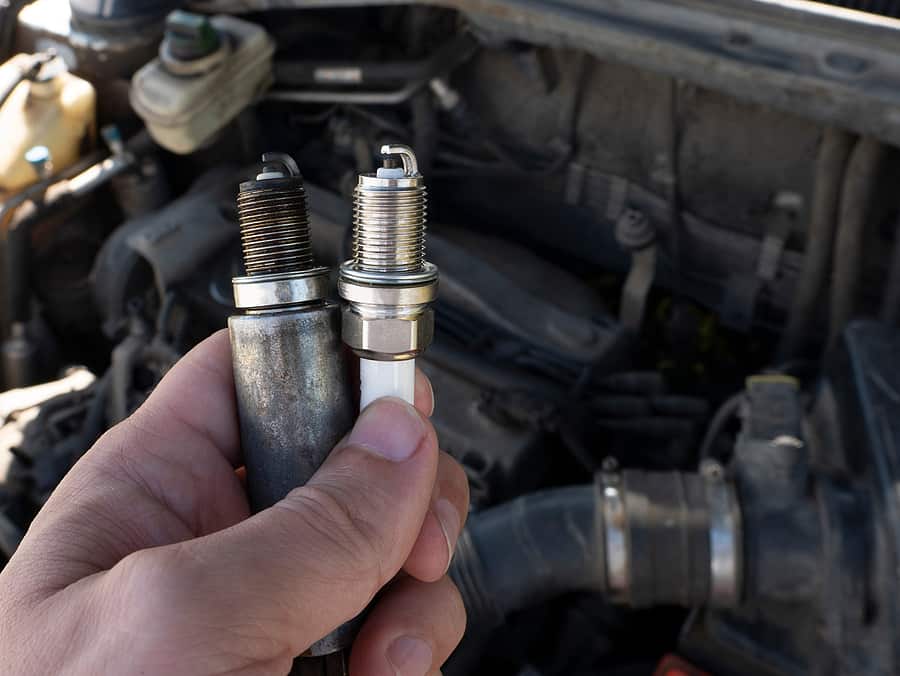
Credit: www.breakerlink.com
Why a plug fault can become noticeable during acceleration
DENSO explains that electrode wear increases the demand needed to discharge across the gap and that unreliable ignition can reduce output. The effect need not be identical in every operating condition. Delphi’s ignition guidance includes engine load among the factors affecting voltage demand and describes faults that appear as misfires under load. This provides a reason to investigate ignition when a car hesitates during acceleration. It does not prove that the plug, rather than the coil, connection or another condition, is responsible.
A vehicle that idles acceptably has therefore not passed every possible ignition check. Equally, a rough idle does not narrow the cause to plugs. Describe both observations separately and let the diagnostic procedure connect them. Avoid instructions that promise to identify the failed part by briefly unplugging a running coil or holding a lead near the engine. Ignition testing needs suitable equipment and the correct procedure. NGK’s Australian diagnosis page specifically identifies impaired acceleration as a possible coil symptom requiring further investigation; it is a useful reminder that closely related components can produce overlapping complaints.
Describe the response, not just “it feels slow”
“Slow acceleration” can describe several different experiences. The engine may hesitate briefly, shake repeatedly, produce a steady but reduced response, or increase in speed without the expected increase in road speed. Write what you observed rather than assigning a component name to it. Include whether the change happens from a stop, while already moving, on an incline or after the engine warms. These distinctions help the workshop select checks. They are not invitations to create a dangerous test: use observations from normal driving that has already occurred, and do not watch a screen or make notes while controlling the vehicle. For example, “after an overnight stop, the engine stumbled as I pulled away, then felt normal later” describes a pattern more clearly than “the plugs are bad.” This is an example of useful wording, not a diagnosis of cold-start stumbling. Include roughly how long the symptom lasted and whether the vehicle was carrying its usual load. An isolated event and a condition present on every journey should be reported differently.
Four observations that help separate the possibilities
Give each observation its own line when booking the repair. A precise account makes an intermittent problem easier to discuss and reduces the risk that “hesitation,” “slipping” and “low power” are treated as identical descriptions. None of the following patterns confirms a spark-plug fault by itself. If you cannot observe a detail safely, leave it unknown instead of attempting another run.
- Uneven bursts or shaking: State whether the response feels interrupted and whether the engine also runs unevenly at rest. Note any warning displayed at the same time. A combustion problem is a possibility, but the sensation does not distinguish a plug from another ignition fault or a fuel or mechanical problem. Preserve the wording of any dashboard message rather than translating it into your own diagnosis.
- Steady but reduced response: Say whether the engine appears smooth while the car has less available acceleration, and whether a reduced-power message appears. Do not assume all power loss is a misfire. DOE/EPA notes that replacing a clogged engine air filter can improve acceleration even in modern fuel-injected vehicles. That is one documented alternative, not a reason to replace the filter blindly.
- Engine speed and road speed behave differently: If you already noticed the engine revving without the expected vehicle response, tell the workshop. This observation can change the investigation beyond plug condition. Do not attempt to prove transmission or clutch slip by holding the brakes against engine power, selecting an unsuitable gear or making repeated high-load runs. Record the circumstance and let the repairer decide how to evaluate it.
- The symptom began immediately after work: Supply the invoice and exact parts fitted, even if the work seemed unrelated. Include whether plugs, coils, an intake connection or another accessible component was disturbed. Timing alone does not prove workmanship caused the fault, but it gives the inspection a useful starting point. A newly fitted plug is not automatically correct, undamaged or installed properly.
Ask for evidence connecting the complaint to a component
A useful diagnostic explanation connects an observed fault with the part proposed for replacement. It may include fault-code context, live information and physical inspection under the vehicle’s service procedure. Do not demand one universal test or resistance value for every ignition design. Ask instead what was found, whether it accounts for the acceleration complaint and what remains uncertain. The following three questions help distinguish an actual diagnosis from a list of possible causes. If a code scan has already been performed, keep the exact codes, their status and the date, not just the device’s suggested part name. Tell the workshop if someone erased information or disconnected the battery. Do not erase a warning simply to see whether the car feels faster; doing so does not repair its cause and can complicate the account of what happened.
- What does the scan result establish? A misfire code identifies a monitored condition; it is not a parts-order instruction. One historical example illustrates the limit: GM bulletin PI1122B from February2014 concerns acceleration-related warnings in its specifically listed 2013–2014 3.6L LFX applications, with model, build and equipment limits. It instructs technicians to perform published diagnosis first, then consider its calibration action if no root cause is found. This is not a software fix for every hesitant car. It demonstrates why exact applicability and the prescribed diagnostic sequence matter.
- What was found on the ignition parts? Ask whether the removed plug has excessive wear, a damaged insulator, contamination or an incorrect specification, and whether associated boots and connections were assessed. A visible defect should be explained in context. If deposits have a source elsewhere in the engine, replacing the affected plug alone may leave that source active. If the plug appears normal, that observation does not prove every ignition component is good. Keep the diagnosis tied to the completed tests rather than to the appearance of one easy-to-reach part.
- Does the service history change the decision? An overdue scheduled plug replacement may be justified alongside fault diagnosis, but those should be identified as separate reasons for work. Conversely, recently replaced plugs deserve a check of their reference and installation history before being ruled out. Tell the workshop about engine modifications and earlier repairs. A catalog result for the original engine may not explain a changed setup. Ask for an itemized proposal separating confirmed repairs, scheduled maintenance and optional preventive work.
What a proper plug replacement should achieve
The objective is to restore the correct ignition arrangement and verify the original complaint, rather than promise a performance upgrade. The actual replacement needs the vehicle-specific part, installation procedure and documented gap requirements. NGK explains why excessive gap can promote misfire; it does not justify choosing a smaller or larger setting by guesswork. A replacement invoice should identify the supplied reference and any associated fault corrected. Where another component also needs work, the explanation should state why. Our guide to replacing coils alongside plugs separates diagnosed failure from optional replacement, so a plug service does not automatically become an order for every coil.
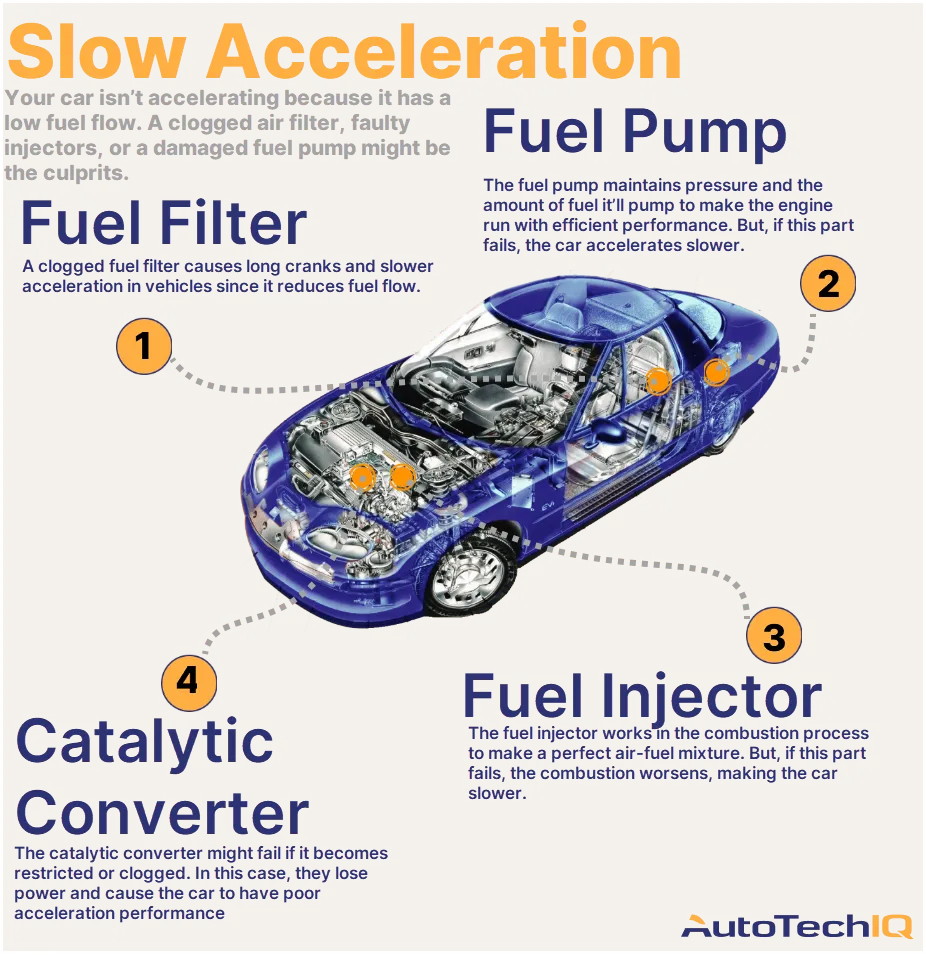
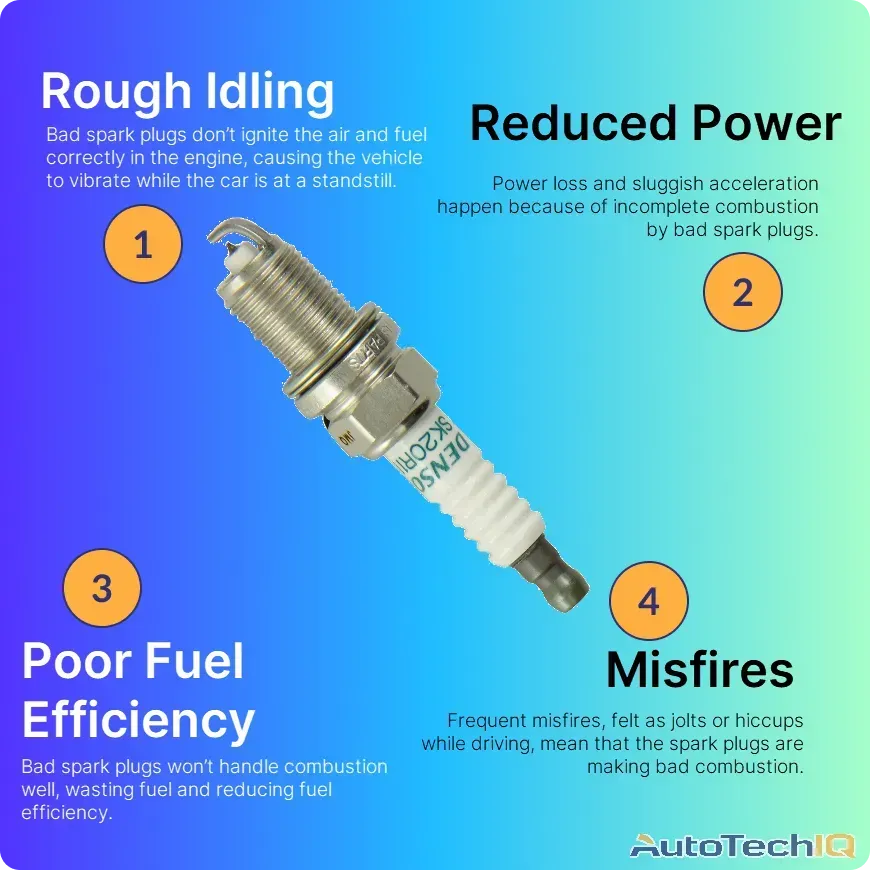
Credit: www.autotechiq.com
Confirm the repair against the original complaint
Before collection, ask what verification was completed and whether any symptom or warning remains unresolved. If the complaint was intermittent, an honest result may be that it did not recur during a limited check; that is more precise than claiming it can never return. Mazda’s warning-light guidance reinforces the need to respond appropriately to flashing warnings. If severe shaking or power loss returns, stop safely and seek advice instead of continuing a demonstration. Keep the repair record and report the same original conditions, plus anything newly observed.
Bad plugs are a credible possibility when acceleration becomes uneven, but the repair decision should rest on application-specific findings. A clear symptom history, correctly interpreted diagnostic evidence and verification after the work are more useful than a universal replacement rule. For the broader range of observable ignition complaints, the spark-plug symptom guide provides additional context. Neither page turns a symptom list into certainty about an unseen vehicle.


Automotive reference information. Confirm specifications in the manual for your exact vehicle. Original replacement guides link to their research sources. About us