
For routine spark-plug replacement, let the engine cool and follow the temperature conditions in its service procedure. Do not remove plugs immediately after driving merely because the tools are ready. NGK's installation guidance calls for a cool engine for both removal and installation, warning that hot metal can create a thread-damage risk.
There is no dependable universal waiting time. An engine after a short repositioning move is not in the same condition as one after towing uphill, and outside temperature and engine layout affect cooling. A rule such as wait exactly thirty minutes cannot establish that every cylinder head has reached the condition required for service.
This question concerns the temperature of the engine being worked on. A hotter spark plug means a different heat-dissipation characteristic during operation; it is not a plug intended to be fitted while the engine is hot. Keep those subjects separate when checking instructions, especially when a search result mixes removal advice with a discussion of fouling.
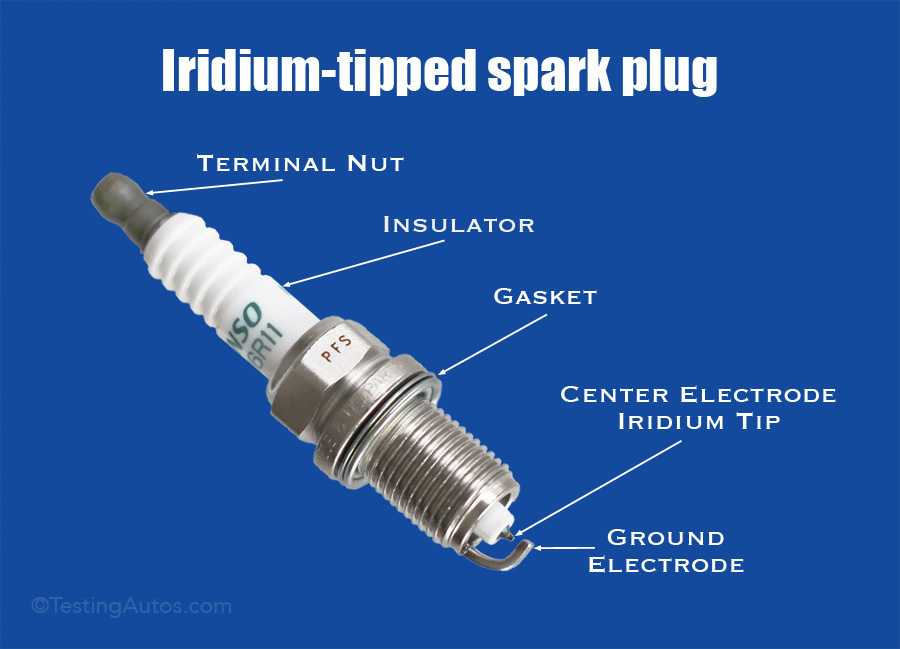
Credit: www.testingautos.com
Plan the service around cooling and the correct procedure
The reason to wait is broader than protecting your hands. The plug is threaded into the cylinder head and depends on sound threads, correct seating and appropriate tightening. A rushed removal can turn scheduled maintenance into a damaged-thread or broken-plug repair. Gloves do not establish that the head is at the specified service temperature, and a comfortable plastic engine cover is not a measurement of the metal beneath it.
Start by identifying the exact engine, not just the badge on the vehicle. Different engines offered in the same model can use different plugs, access arrangements and service instructions. Gather the applicable workshop procedure before loosening anything. That document should resolve any special temperature requirement, removal precaution, tightening specification and component-removal sequence; a generic video cannot supply missing information for a different engine.
Read temperature advice in its proper context
Several apparently conflicting recommendations become clearer once the component and application are identified. Before acting on a warm-engine recommendation, establish whether the instruction concerns gasoline spark plugs, diesel glow plugs or a particular specialized repair. These are not interchangeable tasks. The following distinctions are useful when deciding which information actually belongs to the job in front of you.
- Routine spark-plug service: Treat the manufacturer's cool-engine instruction as part of the job, rather than an optional convenience. Organize the work so cooling occurs before plugs are loosened. If the vehicle must be driven to a workshop, mention that when arranging the appointment so arrival time is not mistaken for immediate readiness to remove plugs.
- Engine-specific removal: Ford's historical April 2008 bulletin 08-7-6 requires room-temperature service for its listed three-valve engines. Its applicability includes model, engine and build-date limits. It demonstrates why an apparently familiar Ford engine still needs the correct procedure; it is not a current universal instruction for all Ford plugs.
- Glow-plug advice: In its 2020 technical article, Niterra discusses warming an engine in the separate diesel glow-plug removal section. Moving that sentence into a gasoline spark-plug tutorial would change its meaning. Confirm the component before deciding that two manufacturers disagree about the same service operation.
If advice conflicts, use current service information for the exact engine and fitted plug, or ask a qualified repairer to reconcile it. Do not resolve the disagreement by trying both temperatures. A professional repair technique described for a known failure mode should not become an experiment on an unidentified engine with an unknown service history.
Use the waiting period to prepare, not to rush disassembly
Cooling time can be useful preparation time. Check that the replacement parts and tools are correct and that the procedure is available. Leave components assembled until it is safe and appropriate to begin. A planned pause is easier to manage than discovering a missing socket or conflicting torque specification after an open plug hole is exposed.
- Confirm the replacement: Check the specified part and any applicable supersession against the engine information. Similar appearance or the same socket size does not establish correct thread reach, seat or projection. Keep the packaging and part numbers available until the job has been completed and checked, especially if more than one application appears in a parts search.
- Confirm access and tools: Identify the required socket, extension and torque tool before starting. A socket that fits the hex may still be unsuitable for the plug well or approach angle. Our guide to spark-plug sockets explains those distinctions without treating one tool size as suitable for every engine.
- Confirm the working conditions: Use a secure parking location and the vehicle's prescribed shutdown precautions. Prevent an unintended start while working. Keep others informed that service is underway and avoid placing loose tools where they may be overlooked. Cooling does not make moving parts, ignition equipment or an incorrectly secured vehicle safe to work around.
Do not assume a dashboard coolant gauge certifies the spark-plug area's temperature. It reports information for vehicle operation, not a universal workshop clearance for touching or loosening every component. Likewise, a surface temperature reading in an accessible spot does not automatically establish conditions deep in a plug well. Follow the prescribed service condition rather than inventing a threshold from an unrelated reading.
Stop when removal does not match the expected procedure
A plug that resists removal needs assessment, not an automatic increase in force. First verify tool engagement, access and the engine-specific instructions. If the plug feels abnormal, stops progressing or appears damaged, do not keep working merely to finish the set. Temperature is only one part of the situation; previous installation, deposits and thread condition may also matter.
- Do not improvise a heat treatment: Restarting the engine to loosen one resistant plug is not justified by a general statement that metal expands. Different materials, deposits and component designs complicate the assembly. Do not apply a flame or other improvised local heat to the plug area. Escalate to a repairer with the correct procedure and extraction equipment.
- Do not borrow a solvent recipe: The Ford bulletin contains a specific removal method for its defined application and warnings about excessive liquid. Its existence does not authorize filling another engine's plug well with cleaner. Product, amount, location and engine condition belong to the approved procedure, not to a general cure for difficult threads.
- Do not conceal damage with a new plug: If threads come out with the old plug, the insulator breaks or a piece may remain behind, stop. Installing a replacement is not an assessment of the damage. Explain exactly what happened to the repairer and preserve the removed parts so the next step is based on evidence.
Avoid testing your luck with repeated tightening and loosening unless the applicable service procedure actually directs that operation. A specialized method can include details that make it appropriate only for a particular plug design. The presence of a similar-looking photograph online does not establish that those conditions are present on your vehicle.
Install correctly once the engine is ready
Waiting for the correct temperature does not compensate for cross-threading, contamination or the wrong tightening specification. DENSO's installation information prioritizes vehicle-manufacturer instructions and distinguishes tightening requirements by plug design. Prepare the correct specification rather than copying a torque number from a different thread size or seat type.
- Keep the installation aligned: The new plug must enter the head correctly before final tightening. If it will not begin and progress as the service instructions require, investigate the cause instead of using a ratchet to force it into position. Misalignment is not corrected by waiting longer or applying extra torque.
- Use the specified thread condition: NGK cautions against anti-seize on its plated plug threads because lubrication changes tightening behavior. Do not add a compound simply because the previous plug was difficult to remove. Any application-specific exception must identify the intended product and location; a ground-shield instruction is not automatically a thread instruction.
- Complete the reassembly: Check every disturbed connector, coil attachment and access component against the procedure before starting. Account for tools and removed parts. If the engine then runs abnormally, preserve the symptom and any warning information and review the work safely. Do not assume a newly fitted plug guarantees that installation is correct.
The gap question is separate from temperature too. Some fine-electrode designs have restrictions on adjustment, and the required gap belongs to the specific application. Read how to assess new-plug gap requirements before attempting to bend an electrode. A hot or cold engine does not change the need to follow the plug's handling instructions.
Similarly, changing heat range is not part of making a hot-engine replacement safe. NGK explains heat range as the plug's ability to transfer heat from its firing end. Choosing another range to address deposits requires the correct application guidance and diagnosis; it does not remove the need for proper service temperature.
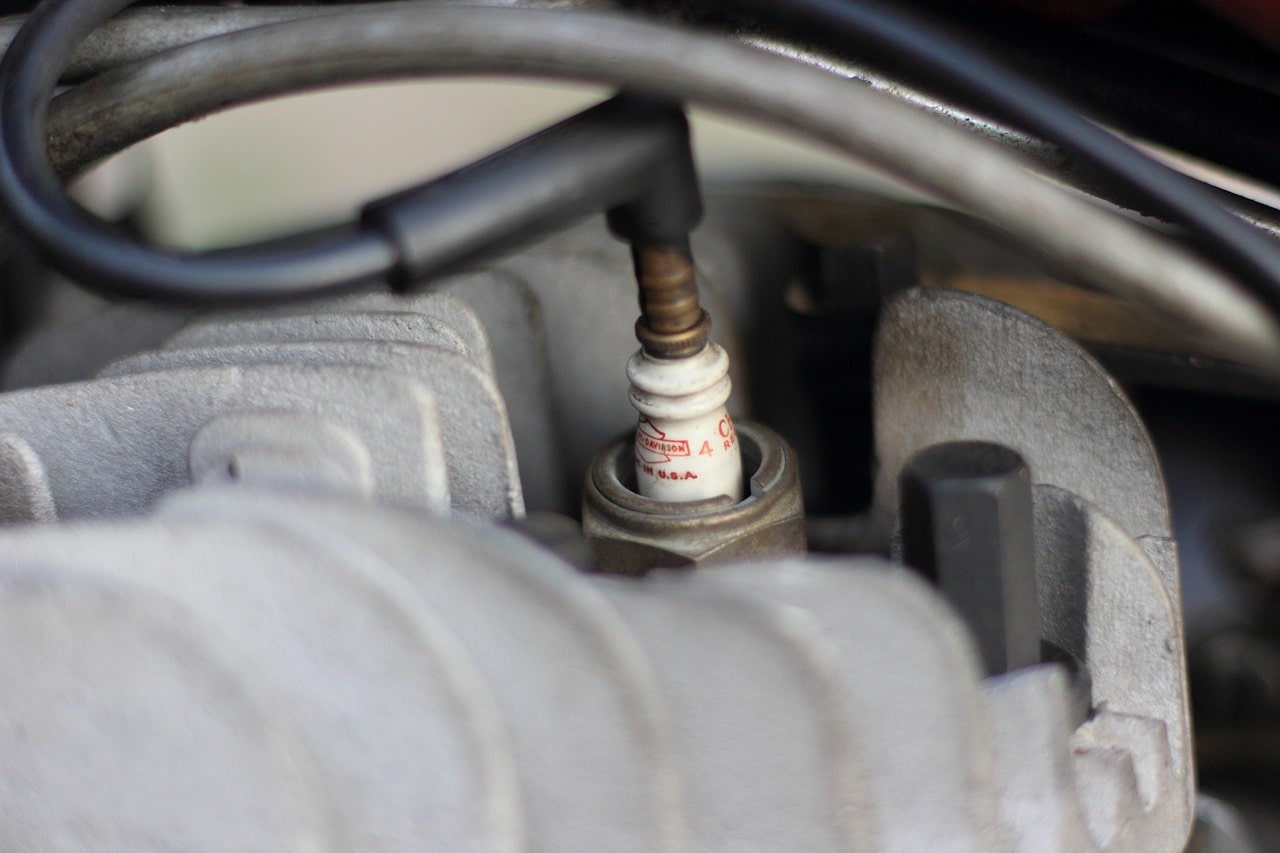
Credit: www.rmwalshltd.co.uk
What to do when time is short
If the engine is still too hot for its specified procedure, reschedule the work or leave enough time for it to cool. Keep the car assembled and arrange transport if necessary. A maintenance deadline does not change the material or thread risks. The useful shortcut is preparation: correct parts, current instructions and suitable tools ready when the engine is actually ready.
If you have already loosened a plug while the engine was hot, stop improvising and obtain application-specific advice before continuing. Whether damage occurred cannot be determined from elapsed time alone. Describe the engine, temperature context, plug movement and anything unusual to the repairer; those details are more useful than assuming every hot removal is harmless or that every one has ruined the head.


Automotive reference information. Confirm specifications in the manual for your exact vehicle. Original replacement guides link to their research sources. About us