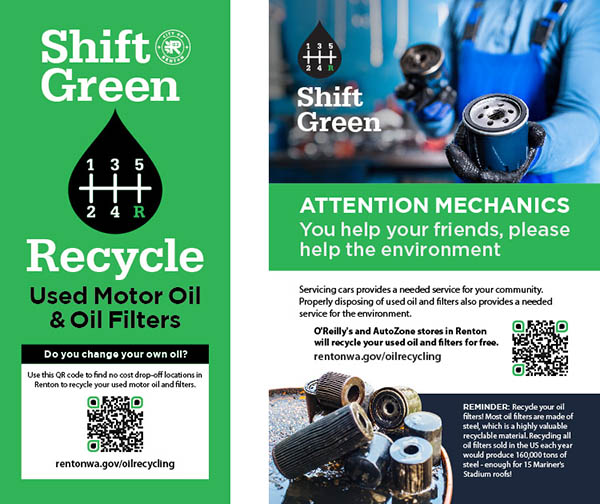

Yes, AutoZone’s U.S. recycling guidance explicitly includes used oil filters. Its official recycling page tells customers to drain oil from the vehicle and filter into an appropriate container, then bring the oil and used filter to AutoZone. That is direct evidence of filter collection, not an assumption based on oil recycling alone. Before making a trip, confirm that your chosen store can receive your particular filter and quantity and ask how to package them. A general service description does not provide every branch’s current capacity or rules for unusual items. This guide helps you turn the national information into a confirmed local drop-off, including what to do if the nearest location cannot take your delivery.
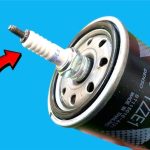
Begin with the right item description. You may have a complete metal spin-on filter, an exposed replacement cartridge, several filters accumulated from earlier services, or an unidentified part found in a garage. Those are not equally informative requests. State which one you have and whether it came from your own car or a business. Do not ask only whether the store takes oil, receive a yes and assume the answer includes the filter. The same distinction applies to empty bottles, oily absorbent and unrelated automotive fluids. Keep each waste stream separate until staff explain what the location accepts. If you need help identifying the filter’s construction, our guide to oil-filter components explains the difference between a replaceable element and its housing.
Treat the sources as answering different questions. AutoZone’s current service page establishes that used filters are part of its stated recycling process. An official local waste directory can identify a participating branch and list limits. A conversation with that branch can confirm the details for the day you intend to visit. None of those should be replaced by a search-result headline that merely says recycling or automotive waste. Check the full page, the actual street address and the item named. If an older article provides a fixed nationwide filter limit without a retailer source, do not build your trip around it. A local example is useful evidence for that location; it does not automatically describe the store across the state or country.
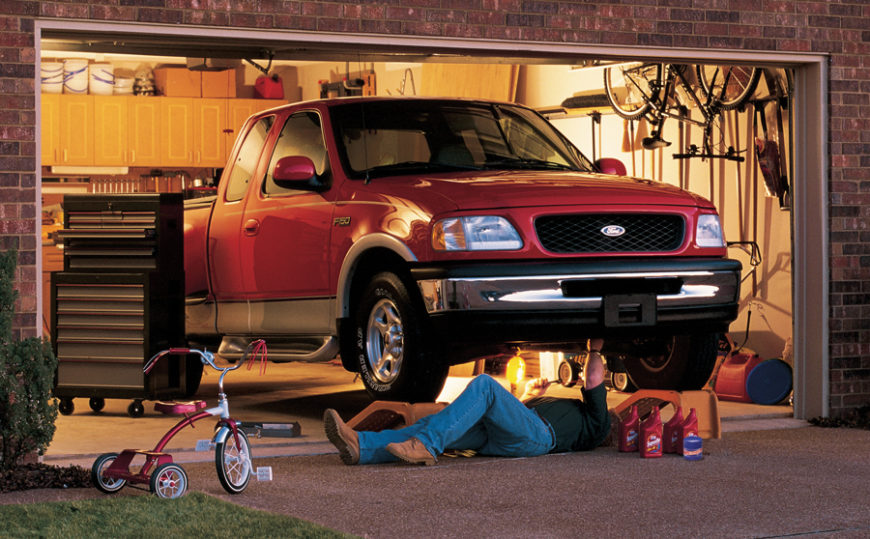
Credit: www.autozone.com
Confirm the store, filter type and permitted quantity
Zero Waste Sonoma’s official motor-oil and filter directory gives specific AutoZone examples. When checked for this guide, it listed a maximum of four oil filters at 101 East Washington Street in Petaluma and two at 6595 Commerce Boulevard in Rohnert Park, with no fee in those entries. These are local listings, not a national policy or a guarantee of same-day capacity. The different counts explain why asking about quantity is worthwhile even within one county. Use the directory to identify a likely destination, then verify the current instruction with that branch. Do not transfer an oil-volume allowance onto filter numbers or assume that several deliveries on one day can bypass a stated restriction. Explain the complete load you want to bring.
Find the branch through AutoZone’s official store locator and use the phone number attached to its exact address. If there are several nearby stores, save the address alongside any answer so you do not arrive at the wrong counter. A useful opening is: I have two used metal engine-oil filters from my own vehicle; are you accepting them today, and how should they be drained and packaged? If you have cartridges, say cartridge elements without metal cans instead. Also explain whether you are bringing used oil, because its container and quantity may need a separate check. The aim is a clear acceptance decision before loading the car, not a broad promise that the chain participates in recycling. Make your own description accurate enough for staff to answer the real request.
Then clarify the receiving arrangements. Ask whether there is a filter-count limit, whether service is available throughout the store’s sales hours, and where to report on arrival. If you have a large accumulation, ask whether the store can receive the entire quantity or whether a specialist collector is more appropriate. Mention any business origin rather than presenting commercial waste as a personal oil change. Confirm any required container or appointment instead of guessing from another retailer’s process. If the employee needs to check with someone responsible for waste handling, allow time for that check. A precise answer about accepted materials and preparation is more useful than a quick answer to an unclear question. Keep a short note of the branch and instructions for the planned visit.
Ask specifically about exposed cartridge elements and unusual contamination. A store’s arrangement for metal filters does not by itself prove that an oily cartridge belongs in the same collection drum. Similarly, if fuel, coolant or cleaning solvent has been added to the filter container, disclose it before arrival. Do not rinse the filter or pour a mixed liquid into the used-oil jug to make the delivery look simpler. AutoZone’s used-oil guide stresses keeping collected oil free of other substances. If staff cannot accept the item as described, request an appropriate local household-waste route. For the rules behind material differences and disposal restrictions, see whether used filters can go in ordinary trash. A rejected recycling delivery still needs a suitable destination.
Once acceptance is confirmed, follow the preparation instruction given for that filter. Use a suitable pan or container to retain the oil during any requested draining, and keep the work area protected from spills. Do not infer a universal draining time from the retailer’s brief service page, and do not improvise cutting, heating or crushing because an industrial recycler uses those methods. The container used for transport must retain residual oil even after preparation. Use sound, oil-compatible packaging with an effective closure and a stable outer carrier when appropriate. Mark the contents and avoid food or beverage containers that could mislead another person. The original filter box may identify the part but is not a leak-proof transport package. Keep the collected liquid in its own accepted container, separate from the filter and from clean purchases.
At the store, check in with staff before moving the waste out of your vehicle or toward a collection area. Explain any uncertainty about the contents and follow their handoff instructions. Do not pour into a tank, open a drum or place a filter in a bin on your own. A familiar-looking container may serve a different waste stream. If there is an unexpected refusal, ask whether the issue is temporary receiving capacity, the material type or the quantity, then keep the item securely contained while arranging another route. Do not leave it beside the building, outside after closing or in the store’s ordinary rubbish. Your responsibility for the handoff is not completed merely by reaching a retailer’s parking lot. Check whether staff return your reusable carrier before leaving.
Keep cost and incentives separate from acceptance. The national recycling page describes its oil-and-filter process as free, and the Sonoma examples above list no fee. Those sources do not establish a payment for every used oil filter, a replacement filter giveaway or an entitlement to an unrelated product credit. Battery offers and part-core credits concern their stated programs. If you find a local filter-exchange event, read the date, venue, residency rules, quantity limit and terms for that event before relying on it. An expired event listing is not a standing offer at every AutoZone. You also should not assume that purchasing a new filter proves the old one can be accepted in any condition. Ask about the waste delivery independently from the retail transaction.

Credit: www.facebook.com
Handle refusals and finish the visit without a wasted trip
If the branch cannot receive your filter, use the city or county’s official waste directory to look for an explicit used-filter entry. Check household collection centers, scheduled events and other listed receivers, then verify the filter type before travelling. Kalamazoo County’s household-waste program, for example, explicitly accepts oil filters and specifies lidded buckets for drained filters. That is an example of a public alternative with its own handling instructions, not a destination recommendation for readers outside its service area. A metal recycler or repair business may be another option only if it confirms acceptance. Do not take a generic used-oil listing as equivalent evidence. Our filter recycling guide provides the broader collection workflow once you have identified a suitable receiver.
Consider three common visits. With one known metal filter, confirmation of today’s service and preparation may settle the whole trip. With a bag of several old cartridges, the first priority is whether that material and quantity are accepted at all. With an unknown leaking container, the priority is safe containment and guidance from an appropriate waste program, not finding the nearest retail counter. In each case, describe what you actually have rather than changing the description until someone says yes. If staff provide conflicting answers, explain the filter type again and ask the branch to clarify its procedure before travelling. Keep known used oil separate from unknown waste throughout. A brief clarification is easier than carrying a leaking or rejected load from store to store.
After the handoff, account for your containers and any items the store did not accept. Empty plastic oil bottles have their own local collection rules; our oil-container recycling guide covers that distinction. Put the branch information and preparation instructions with your maintenance notes, then recheck if you switch filter designs, bring a larger quantity or return after the program changes. This article was researched from retailer and public-program information; it does not claim a test delivery or telephone confirmation at every branch. AutoZone’s published guidance supports the answer that it takes used filters through its recycling service. Confirming the exact location, item and delivery conditions is what makes that answer useful for your next oil change.


Automotive reference information. Confirm specifications in the manual for your exact vehicle. Original replacement guides link to their research sources. About us