
Do not use E85 as a fuel-injector cleaning treatment in a vehicle that is not approved for it. E85 is a high-ethanol fuel intended for compatible flex-fuel vehicles, not a universal substitute for a specified cleaner. A claim about ethanol’s solvent properties does not establish that a particular mixture is suitable for your vehicle or will correct its fault. The US Department of Energy’s Alternative Fuels Data Center describes E85 as a gasoline-ethanol blend containing 51%–83% ethanol, with variation by season and geography.
Flex-fuel vehicles have compatible fuel systems and calibration. That is the essential distinction: suitability involves the vehicle as a system, not only whether one chemical can dissolve a deposit. If the engine runs poorly, identify the complaint before changing fuels.
An injector circuit fault, unsuitable fuel pressure or a mechanical problem is not diagnosed by trying E85. If you already added an incompatible fuel, avoid starting the engine and contact a qualified repair provider with the vehicle details and quantities. Do not improvise a dilution ratio from an online anecdote.
Why a solvent claim is not a cleaning procedure
The statement that a substance can act as a solvent is incomplete maintenance advice. A useful cleaning claim must identify the material being removed, the formulation, concentration, exposure conditions and compatible components. It must also show that the procedure addresses the actual fault. Without those details, the word “cleans” can hide more uncertainty than it resolves. An injector has both electrical and fuel-delivery functions.
Even if a suitable process removes a deposit, it does not repair an open electrical circuit or demonstrate that a worn or leaking component meets specification. That is why a change in exhaust appearance or idle after refueling cannot by itself certify injector condition. The fuel change and the fault diagnosis remain separate questions. In a compatible flex-fuel vehicle, using an allowed fuel is ordinary vehicle operation. It should not be rebranded as a guaranteed repair for blocked injectors.
Follow the vehicle’s instructions for fuel selection and any requirements associated with changing blends. Do not invent a cleaning schedule that replaces those instructions with an arbitrary tank of E85 every few months. In an incompatible vehicle, a small experimental amount does not automatically become an approved treatment. Compatibility is not established by the absence of an immediate warning light. The fact that the engine starts also does not show that the mixture meets the specified fuel requirements.
| A system can operate briefly without demonstrating long-term suitability. Be cautious about demonstrations using a removed injector or a dirty part in a jar. Those conditions differ from an installed fuel system, with its seals, controls, pressure and operating temperatures. A visual change in a sample is not a vehicle-level compatibility test. |
Nor does it quantify the injector’s flow or sealing after treatment. Our injector compatibility article explains why similar-looking components can have different application requirements. Fuel compatibility deserves the same precision. Identify the complete engine and approved fuel specification rather than assuming all injectors respond identically to a stronger ethanol blend.
Confirm flex-fuel approval instead of guessing
Use the owner’s manual and the manufacturer’s information for the exact vehicle. A filler label may help identify the required fuel, but do not rely on a badge or another owner’s model description alone. Engine options and market versions can differ. If there has been an engine conversion or fuel-system modification, disclose it when obtaining advice. The Department of Energy’s overview explains the system-level differences of an FFV. It is not a declaration that every vehicle with an ethanol-compatible hose or aftermarket injector has become a complete flex-fuel vehicle. Individual component claims cannot certify the controller calibration, the rest of the fuel system or compliance with the vehicle manufacturer’s requirements. Read ethanol limits as limits, not suggestions. A manual permitting a lower ethanol blend does not authorize E85 merely because both contain gasoline.
Similarly, octane requirements and ethanol compatibility are different specifications. Meeting one does not erase the other. Choose fuel that satisfies the whole applicable instruction. Ford’s fuel-quality documentation provides an example of distinct fuel categories and restrictions within manufacturer guidance. The value of that example is the need to read the section that applies to the actual vehicle. Do not extract a flex-fuel paragraph and apply it to a gasoline-only variant covered elsewhere in a manual. If a seller or workshop claims your car can use E85, ask what establishes that claim. For an unmodified factory vehicle, an applicable manufacturer reference should be available. For a modified vehicle, the person responsible for the conversion must explain its scope and limitations.
A parts receipt listing “ethanol compatible” is not the same evidence as approval of the complete conversion. Do not use a consumer fuel experiment to settle an uncertain specification. Obtain the answer before filling. That is especially important when the proposed purpose is merely optional cleaning: there is no reason to introduce an unverified fuel in order to investigate a complaint that can be assessed with appropriate diagnostic procedures. For a confirmed FFV, fuel selection still should not be confused with a predicted economy improvement. The Department of Energy notes that fuel economy in miles per gallon is generally lower as ethanol content rises. Your actual consumption also depends on the vehicle and operating conditions. Compare costs using measured consumption and fuel prices rather than assuming cleaning will pay for the change.
If the goal is fixing a symptom, choose a testable plan
Start by describing the symptom precisely. Record whether it appears when cold, after refueling, at idle or under load. Preserve any fault-code information. Note previous repairs and treatments. These facts help distinguish a fuel-related event from a coincidental mechanical or electrical complaint.
Ask what evidence points to an injector rather than another part of the system. A cylinder-specific misfire narrows the investigation but does not alone identify the cause. A circuit code calls for the prescribed electrical checks. A broader fuel-control result needs interpretation in context. Our code interpretation guide covers those distinctions.
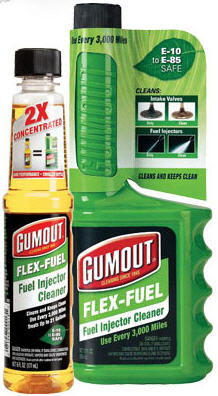
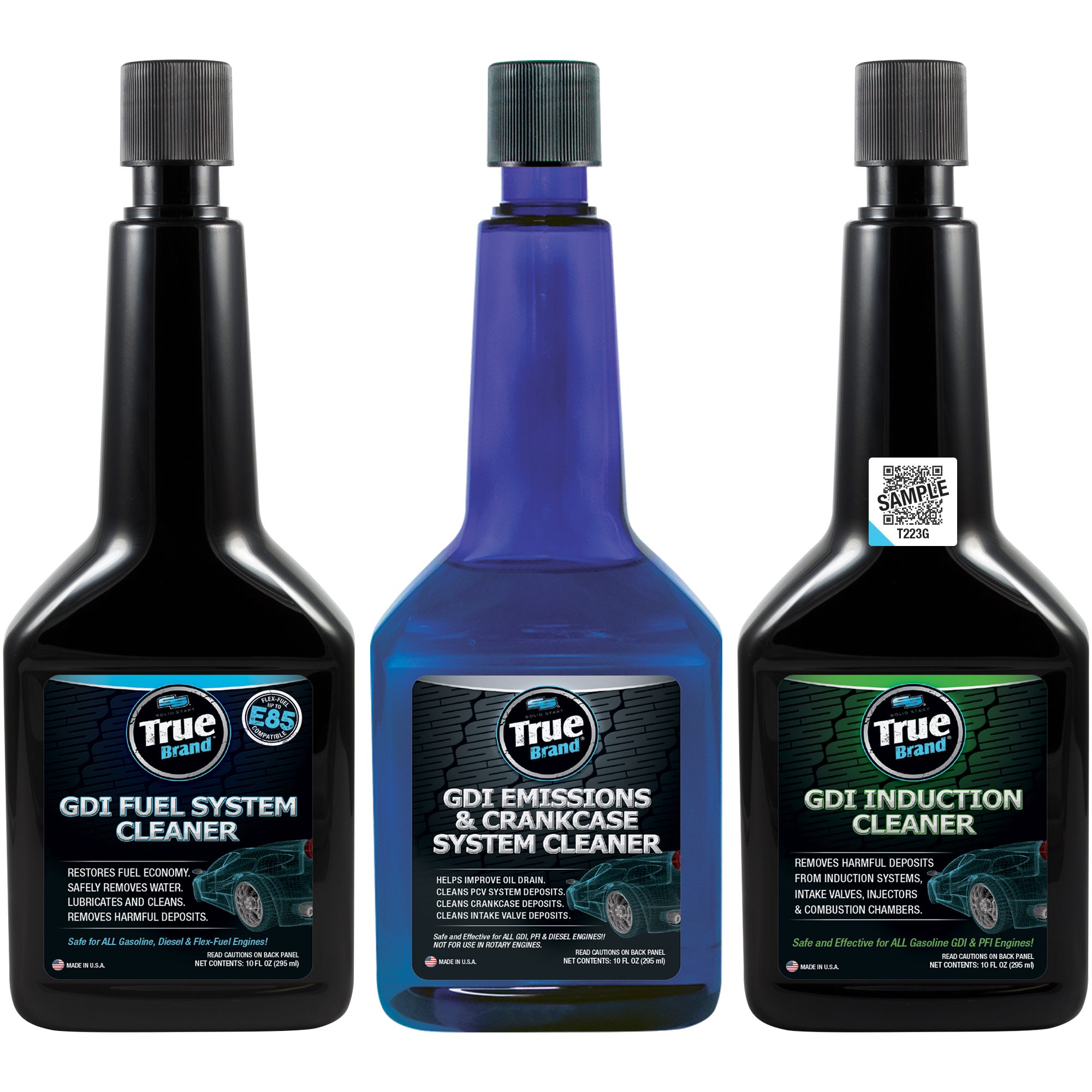
If deposits are a supported concern, consult the vehicle’s guidance for an appropriate treatment or workshop procedure. Identify the exact product, dose, compatible fuel and expected follow-up. Do not choose a different fuel because it seems chemically stronger. The treatment needs to match the problem and the system, not just an appealing explanation on a forum. Tank-carried products also follow the fuel path.
Bosch’s direct-injection overview locates injection in the combustion chamber. It does not support a blanket claim that changing tank fuel washes all intake deposits on every engine. When a recommendation concerns intake valves, ask how the proposed procedure reaches the affected surface on that design. If you have already changed fuel and noticed a difference, document it without overstating the conclusion. Refueling changes more than one variable, and temperature, route or another repair may have changed too.
Credit: www.solidstart.com
“It idled more smoothly after this fill” is a useful observation. “E85 repaired the injectors” requires evidence that the observation alone does not supply. If the wrong fuel was added, keep the receipt and estimate the amounts as accurately as you can. State whether the engine ran afterward. Do not restart merely to see whether a warning appears.
Contact the vehicle manufacturer, roadside assistance or a qualified repairer for a response based on the actual mixture. A universal advice to top up with another fuel can be inappropriate when the quantities and vehicle are unknown. If the engine is severely misfiring, stalling, leaking fuel or showing a serious warning, prioritize safe assessment rather than finishing the tank. The absence of a fault code does not make that condition harmless.
Tell the service provider about all recent fuel changes so the diagnostic record remains complete. For routine ownership, keep fuel receipts when investigating a recurring issue and follow the specified maintenance schedule. Do not replace a required filter service with a fuel experiment. Do not keep buying cleaners for a fault that has not been identified.
If replacement is eventually proposed, request the measured reason and the verification plan. E85 belongs in vehicles approved to use it. Whether a particular injector needs cleaning or replacement is a separate evidence-based decision. Keeping those questions separate prevents a plausible chemical claim from becoming an unsupported repair instruction and gives the workshop a clearer starting point for resolving the actual complaint. Consider two different situations. A factory-approved flex-fuel vehicle is being filled according to its manual, with no running complaint. That is a fuel-selection decision. A gasoline-only vehicle is being offered an unverified E85 mixture because it hesitates. That is an unsupported treatment proposal. Describing both as “using ethanol to clean” hides the difference that matters most. In the second case, ask for a diagnostic plan and the applicable fuel requirements before anything is added. In the first, continue to follow the approved fuel guidance without promising that a change of blend has repaired an injector. The same chemical term can appear in both conversations while the vehicle-level decision remains entirely different. Keep compatibility established before discussing any possible cleaning effect.


Automotive reference information. Confirm specifications in the manual for your exact vehicle. Original replacement guides link to their research sources. About us