
A fuel pump has no single reliable lifespan in years or miles across all vehicles. Its design, operating hours, fuel compatibility, contamination and electrical supply all matter. Use the vehicle’s maintenance information and diagnostic evidence rather than replacing a working pump at an arbitrary mileage.
Equally, a relatively new pump can fail or perform poorly. Age does not prove a pump is healthy, and a high odometer reading does not prove it has reached the end of its useful life. The practical question is whether the installed system still supplies the fuel required under the conditions where the problem occurs.
Why a mileage estimate is not a replacement rule
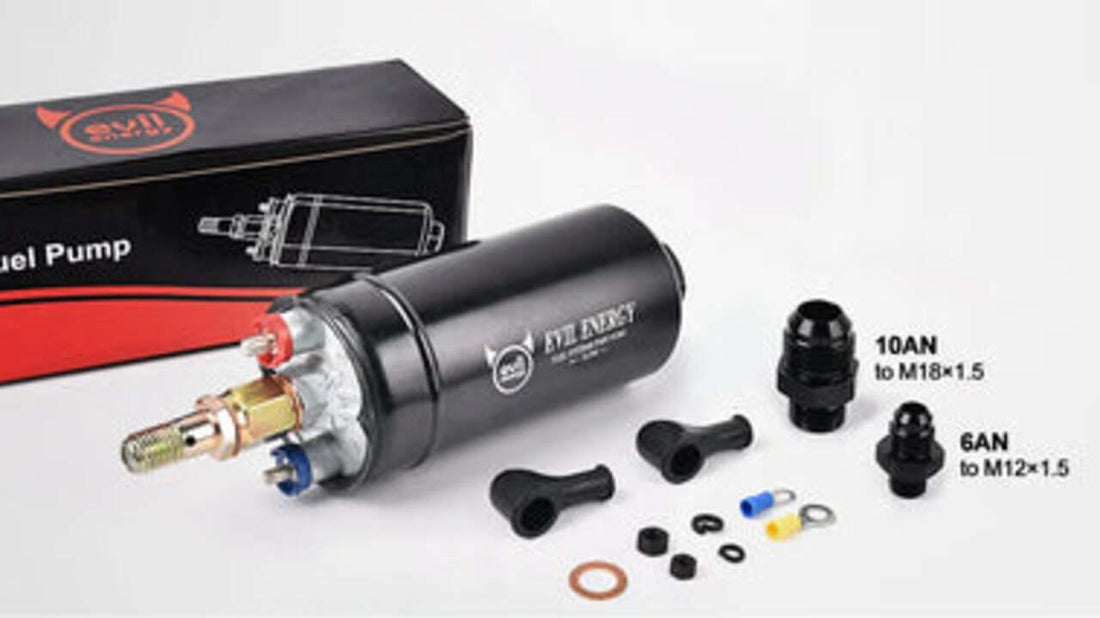
Credit: www.ievilenergy.com
Mileage does not record every hour a pump has operated. Two vehicles with the same distance can have very different idling time, duty cycles and storage history. Different pump and fuel-system designs also operate under different conditions. A broad internet range cannot account for those differences.
Check for a vehicle-specific service requirement, recall or repair bulletin. A warranty period describes coverage under stated terms, not a prediction that a component will fail immediately afterward. Replacement decisions should distinguish scheduled service, a documented campaign and diagnosis of a present fault.
Symptoms justify testing, not a parts order
Hard starting, hesitation, loss of power or stalling can be consistent with a fuel-delivery problem, but they have other causes. Record when the symptom occurs: hot or cold, during acceleration, after refueling or after a long stop. That context helps reproduce the failure safely in a workshop.
Stop driving if the vehicle stalls unpredictably or loses power in traffic. A fuel smell or visible leak requires a different immediate response: avoid further starting and have the leak assessed. Neither situation should be managed by waiting for a mileage milestone.
What makes replacement evidence stronger
Ask for the specified pressure or flow measurement under the relevant operating conditions, plus checks of pump power, ground and control. Delphi cautions that electrical supply faults can imitate pump underperformance. A low delivery reading alone may not identify the component responsible.
Intermittent faults can need more than a single stationary test. Delphi’s scope-testing discussion illustrates how current-waveform analysis can reveal electrical behavior not captured by a one-time pressure result. Such interpretation requires the correct system context; a generic current number is not a universal pass mark.
Investigate a repeat failure before installing another pump
If a recently replaced pump seems to have failed, review the original diagnosis, part suitability and installation. Check whether the new fault is actually the same symptom and whether the replacement changed it at all. Repeated replacement without this comparison can hide an unresolved wiring or fuel-supply problem.
Delphi’s failed-pump analysis highlights overheated electrical connections and contamination as findings worth investigating. A damaged connector or contaminated tank needs its own correction. Replacing the motor while leaving the cause in place does not constitute a complete repair.
What sensible ownership can and cannot prevent
Use the fuel specified for the vehicle, follow relevant filter and maintenance instructions, and address contamination or electrical damage when found. Avoid deliberately running out of fuel. These are reasonable operating practices, not a guarantee of a particular pump lifespan.
Treat claims that a special additive will restore a worn electric motor or guarantee another fixed number of miles skeptically. An additive cannot repair an overheated terminal or a mechanical electrical defect. Product use must still match the engine and fuel-system requirements.
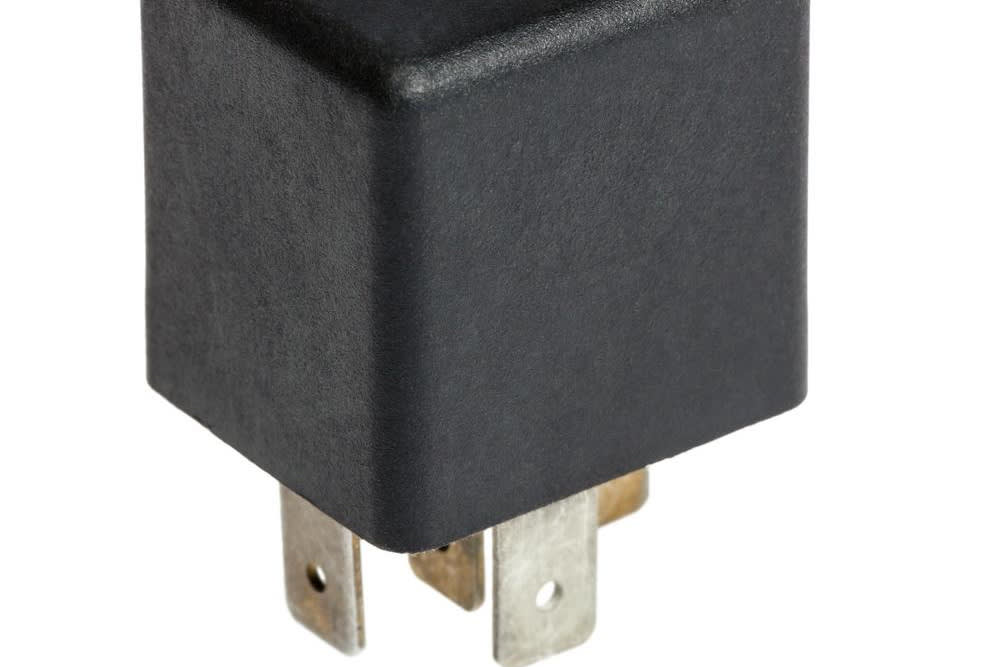
Credit: www.yourmechanic.com
Should you replace it before a long trip?
A healthy pump with no documented replacement requirement does not become defective simply because a trip is planned. If there are unresolved starting, stalling or delivery symptoms, however, have them diagnosed before leaving. A trip deadline is a reason to resolve uncertainty, not to choose the most plausible part without tests.
For a vehicle with a known model-specific campaign or verified weak delivery, follow that evidence. Keep the repair record, including the part installed and any tank or connector work. That information is more useful to a future technician than an unsupported estimate of how long pumps usually last.

Credit: gmb.net
After replacement, verify the whole result
A successful repair should restore the required delivery and resolve the reproduced symptom without leaks or new gauge faults. See what to check after fuel pump replacement for the commissioning path.
The best answer to “how long will this pump last?” is necessarily limited. You can document its current condition, correct avoidable faults and follow the vehicle’s service requirements. You cannot predict an exact remaining mileage from age, noise or a dashboard warning alone.


Automotive reference information. Confirm specifications in the manual for your exact vehicle. Original replacement guides link to their research sources. About us


