The cost of painting brake calipers cannot be reduced to one dependable price without knowing the vehicle, the proposed process and what the quote includes. Painting visible surfaces with the assembly installed is a different job from removing components for specialist refinishing, and neither description by itself establishes that the work is appropriate. Before comparing prices, check whether the caliper manufacturer permits the proposed treatment. Brembo advises against repainting its calipers because modifying a safety-critical assembly can create problems.
That warning should influence the decision before a color or budget is chosen. This guide does not publish an invented national average or pretend that a paint kit price equals the finished repair cost. It explains how to request comparable local quotations, identify omitted work and decide when leaving the original finish alone is the better choice.
Cosmetic appearance must remain separate from mechanical condition. Rust removal and paint cannot repair a leak, seized mechanism or damaged mounting. If the reason for refinishing is heavy corrosion or poor brake operation, start with an inspection rather than a color consultation.
The details that change the quotation
Begin with the number of calipers, their construction and their existing condition. A quote for two small exposed units is not directly comparable with one covering four larger assemblies, intricate surfaces or difficult access. Wheel removal and reinstallation may be included or charged separately. Ask whether the price covers the entire visible finish or only accessible areas. A description such as full caliper painting can be ambiguous if the component stays installed and much of it cannot be reached.
The shop should explain the boundaries without relying on a stock photograph of another vehicle. Preparation often separates superficially similar offers. Ask how dirt and loose finish will be removed, which surfaces will be protected and whether the method is approved for the caliper. Aggressive blasting, grinding or chemical treatment can affect areas that should not be altered. A low price is not a saving if preparation damages a seal or leaves abrasive material in a mechanism.
Equally, an elaborate process is not automatically safe because it costs more. The method must suit the component and its manufacturer’s restrictions. Removal changes the scope substantially. If the hydraulic circuit is opened, correct sealing parts, fluid handling, bleeding and final brake checks become part of the work. Electronic parking-brake assemblies may introduce additional service requirements.
The quote should identify whether these steps are included and who is qualified to perform them. A refinishing business and a brake-repair workshop may divide the work, in which case transport, scheduling and responsibility need to be clear. Do not assume the person applying the coating will also certify the brake installation. The finish itself also needs a precise description. Liquid paint, a factory-applied finish and powder coating are not interchangeable processes.
Brembo partner Race Technologies warns against powder-coating calipers, so a high-temperature marketing label does not establish suitability for an assembled brake component. Ask for the proposed product and process in writing, including whether it conflicts with the component maker’s guidance. A claimed heat rating alone does not answer questions about seals, clearances, masking or serviceability. Finally, ask about the warranty and its limits.
Does it cover appearance only, and what happens if the finish chips or brake fluid contacts it during later service? Who handles a mechanical problem discovered during preparation? These questions do not imply that every cosmetic job will fail. They clarify what the price buys and prevent an appearance warranty from being mistaken for approval of a modified braking component.
Build a comparable estimate instead of relying on averages
Request the same scope from each provider. State the vehicle, the number of calipers, the existing finish and whether you are seeking an inspection before any cosmetic decision. Ask for separate lines covering access, preparation, coating, any removal and refitting, consumables, required brake service and taxes. If the shop recommends replacement instead, ask for the condition finding that supports it. A replacement quote should not be hidden inside a painting quote, because the objectives and costs differ. Record which items are fixed-price and which depend on inspection. For example, a shop may not know the condition of concealed hardware until access is available. Ask how additional work will be authorized and whether there is a maximum inspection charge. The FTC’s auto-repair guidance recommends understanding estimates and repair authorization; the same clarity is useful when a cosmetic request touches the brake system.
Keep a copy of the written scope so that you can compare the final invoice with what was agreed. A useful comparison has three possible outcomes rather than only cheap and expensive. One quote may cover an appropriate, clearly limited cosmetic service where permitted. Another may include unnecessary or prohibited modification despite an attractive finish. A third may recommend no refinishing and explain why the original component should remain unchanged or be replaced if defective. Do not eliminate the third option merely because it provides no new color. It may be the most suitable answer to the actual condition of the brakes. Avoid multiplying a paint-kit price by the number of calipers and calling the result a professional estimate. Materials are only one part of the scope.
Conversely, do not assume that a high quote proves exceptional workmanship. Ask about the process, qualifications, application restrictions and verification rather than treating price as a safety rating. If a provider will not specify whether hydraulic disconnection is planned, the estimate is not yet detailed enough to compare. Be explicit about downtime. Coating instructions may impose handling or curing conditions, and any brake work requires completion before the car can be used. Ask when the vehicle can be collected in a fully serviceable state, not merely when the color application ends. Do not accept a plan that requires ordinary road driving to compensate for an incomplete or uncertain process. The workshop should explain the permitted cure and return-to-service requirements for the actual products and components.
DIY materials, professional work and the safer alternatives
A do-it-yourself kit can appear inexpensive because its price excludes lifting equipment, surface preparation, protective materials, tools and the consequences of an error. More importantly, owning a kit does not establish that the caliper may be refinished. Read the component manufacturer’s position first. If repainting is discouraged or the proposed process cannot protect critical parts, choosing a different brand of paint does not resolve the objection. Do not treat general internet instructions as authorization to modify every brake design. Painting an installed caliper can make it difficult to inspect or protect every relevant area.
Paint must not contaminate friction surfaces, hydraulic connections, sliding mechanisms or other functional locations. Overspray or brush access is not the only issue; surface preparation can introduce debris and damage protection. This is why the quote should explain what is being treated and how the rest of the assembly is protected. A neat visible result does not prove the hidden parts were handled correctly. Removing and dismantling a caliper is not simply a more thorough version of exterior painting. It introduces hydraulic and mechanical repair responsibilities, and not every assembly is intended for arbitrary disassembly.
Splitting a body, disturbing seals or heating a component can create requirements that a hobby coating guide does not address. Do not follow a universal oven-temperature recipe for an assembled caliper. Where a specialist proposes such work, ask for application-specific approval and a complete rebuild and test process, rather than accepting experience with wheels or decorative metal as equivalent expertise. Professional labor is valuable only when the provider recognizes these limits. Ask whether the shop follows the caliper maker’s restrictions and what it does when the requested finish conflicts with them.
A responsible refusal can be more informative than an unconditional promise. If the shop removes a brake assembly, its installation plan should follow the applicable vehicle procedure. Brembo’s caliper fitting guidance illustrates the importance of correct application and competent installation. Cosmetic treatment does not remove those responsibilities. Consider simpler alternatives before authorizing work.
Cleaning an otherwise sound factory finish using compatible methods may meet the appearance goal without modification. If the component is defective, select an approved replacement for mechanical reasons and treat its supplied finish as part of that product. A color-matched aftermarket unit still needs proper fitment verification. Do not replace a functioning safety component solely on the assumption that any brightly painted alternative has equivalent geometry and performance. Our guide to caliper compatibility explains the importance of the exact application.
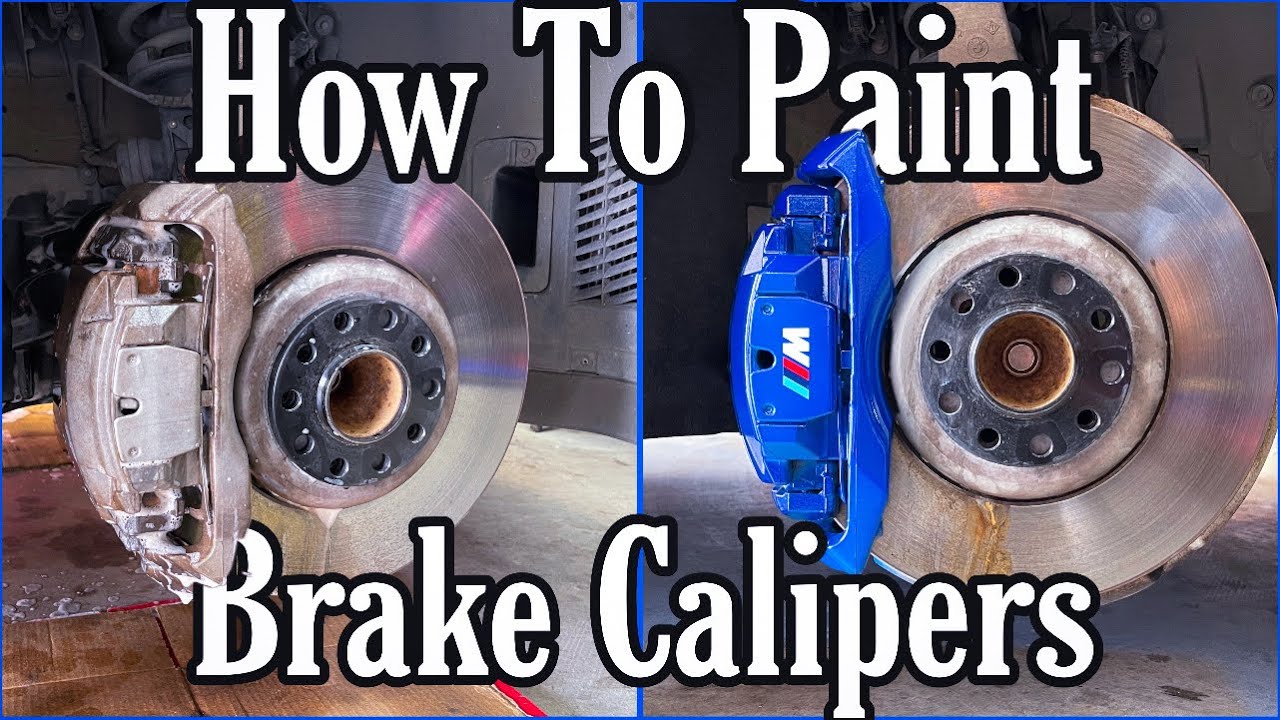
Credit: m.youtube.com
If rust is driving the decision, separate external staining from damage. Ask whether corrosion affects only the visible surface or also the guides, piston protection, bracket or mounting areas. Our rusty-caliper inspection guide describes why cleaning cannot establish every hidden condition. Painting over uncertainty makes later inspection harder rather than answering it. Repair any confirmed defect before discussing cosmetics, and do not use a new finish to make a questionable part appear renewed.
Before paying, request the final description of work and any excluded areas or remaining concerns. Confirm that the brakes have passed the required checks if they were disturbed. Keep the invoice, product details and warranty conditions for future servicing, because another technician may need to know what finish was applied. The right budget is the cost of an appropriate, fully specified process—or the decision to leave the original finish alone. There is no useful universal price that can replace those choices, and no cosmetic result is worth accepting an unresolved braking issue.


Automotive reference information. Confirm specifications in the manual for your exact vehicle. Original replacement guides link to their research sources. About us