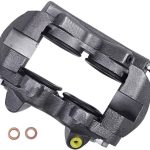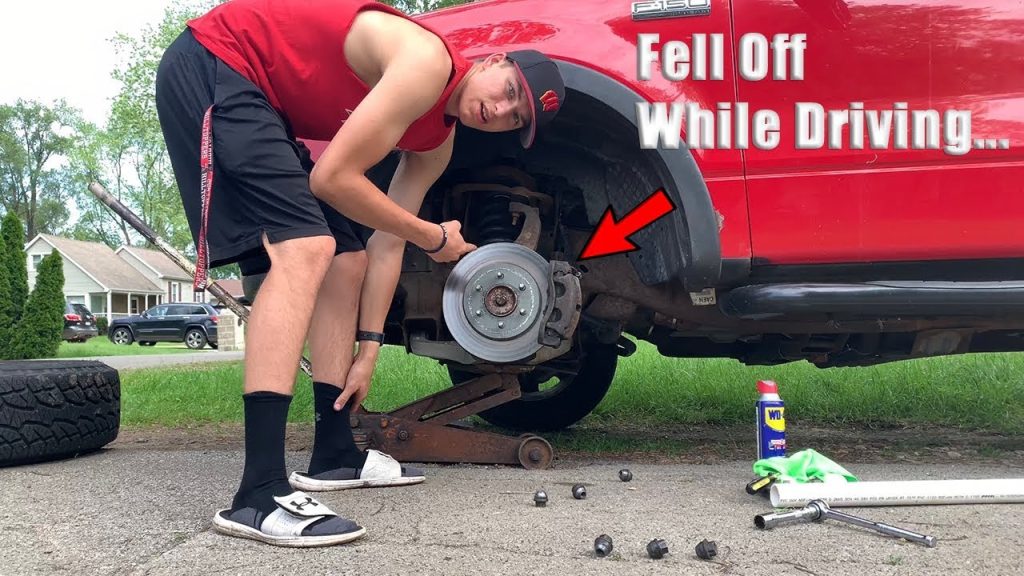

A brake caliper that comes loose or detaches is a serious brake-system failure. The vehicle should not be driven to a workshop, even if the pedal still seems to provide some braking. A displaced assembly can contact rotating parts, damage its hose or interfere with the wheel, and the extent of damage may not be visible from outside. Stop in a safe place as conditions allow and arrange professional recovery. If the vehicle is already parked, leave it parked. Do not reattach it with an improvised bolt and attempt a short trip.
The phrase falls off can describe several situations: a loose fastener, a body moving relative to its bracket or a larger assembly separating from its mounting. These are not interchangeable diagnoses. A loud clunk alone does not confirm any of them, but visible displacement, missing hardware or abnormal braking demands immediate assessment. This guide explains the possible consequences, what information to preserve and what a complete repair should investigate. It does not offer a roadside method for making an uncertain brake temporarily usable.

Credit: www.reddit.com
What normally holds the caliper in the correct position
A caliper must apply force through the pads while remaining correctly located relative to the rotor. Depending on the design, its attachment includes a fixed mounting or a bracket and guide arrangement. The fasteners and mating surfaces are part of that engineered assembly. A guide-pin bolt, a bracket bolt and a hydraulic hose connection do different jobs and cannot be treated as interchangeable hardware. The correct dimensions, material specification and tightening procedure matter as well as whether a bolt can be threaded into a hole. If one attachment fails, the remaining connection may be loaded or moved in ways it was not designed to tolerate. That is why a caliper can still appear partly attached yet be unsafe. It may shift only when braking torque acts on it, leaving a parked visual check misleading. Our explanation of caliper fitment discusses why mounting geometry is application-specific. For repairs, Brembo’s fitting guidance calls for suitable parts and manufacturer-directed attachment practices. A general article cannot supply a substitute bolt grade, torque or locking method for every vehicle.
Warning signs need investigation, not a test drive
Possible warning signs include a new clunk around a wheel, scraping that changes as the wheel turns, altered braking, visible movement or fresh contact marks inside the wheel. None identifies a loose caliper with certainty because other faults can cause similar symptoms. A damaged pad-retaining component, wheel hardware problem or suspension defect may also produce alarming noise. The correct response to a severe or sudden symptom is to stop and have it inspected, not to select a diagnosis by sound alone. Do not ask another person to stand beside a moving vehicle to watch the caliper. Recent brake service is relevant history, but it is not proof of an installation error.
Record the date, work performed and when the symptom began. A collision, road impact or previous modification may also matter. Share those details without deciding the cause before the parts are examined. If it is safe to do so from outside the traffic area, photograph the wheel and visible damage without reaching into the assembly. Do not crawl beneath a vehicle on the roadside or rely on its emergency jack for an inspection. If the brake feels abnormal while moving, concentrate on controlling the vehicle and reaching a safe stopping position.
Use hazard warnings as appropriate and follow the vehicle’s emergency guidance. There is no universal pedal or parking-brake maneuver that is suitable for every failure and road situation. If you cannot stop safely or there is immediate danger to people, contact local emergency assistance. Once stopped, do not resume the journey because the noise has disappeared. A component may have moved to another position rather than recovered, and remaining hydraulic function does not certify the damaged corner.
Consequences, recovery and the repair checks that matter
A displaced caliper can strike the inside of the wheel or catch against nearby rotating components. The result depends on the design and the direction of movement, so no single outcome is guaranteed. Some failures cause scraping and damage; others can create severe interference. Avoid statements that the wheel will always lock or that braking will simply be reduced by one quarter. Neither claim describes all brake systems or all detachment modes.
- The important practical conclusion is that the driver cannot reliably predict the next movement of a loose safety component. The flexible hose may be stretched, twisted or torn if it becomes an unintended support for the caliper. Hydraulic fluid loss can then affect braking beyond the obvious mechanical damage. A hose that has been loaded but is not visibly leaking still needs proper assessment. Do not assume it is serviceable because the outside looks intact.
- Similarly, a reservoir that still contains fluid does not establish the integrity of the circuit. The repair should identify every part exposed to abnormal force rather than only the item that first drew attention. Contact can damage the rotor, pads, wheel, bracket, mounting threads or nearby wiring. A wheel-speed sensor cable may have been pulled or rubbed, and a warning light may reflect that consequence. The precise inspection scope follows the actual contact and load path.
-
A technician should look for fresh marks, distortion and damaged attachment surfaces and compare findings with the relevant service criteria. A new bolt cannot repair a cracked mounting ear or stripped thread. Thread repair or component replacement needs an approved method for that application, not a general hardware-store solution. Tell the recovery operator that a brake caliper is loose or detached and that wheel rotation may be obstructed. This helps them select an appropriate loading method and equipment.
- Do not conceal the problem by saying only that the car will not start or has a flat tire. The safest transport arrangement depends on the vehicle and damage, so let the qualified operator determine how it can be moved without further uncontrolled contact. Do not request that someone drive it onto a transporter if the condition makes that unsafe. Keep people away from the affected wheel while recovery equipment is being positioned. At the workshop, ask for the failure to be documented before damaged parts are discarded.
- Photographs of fasteners, threads, mounting faces and contact marks can help establish what happened. Missing hardware alone may not reveal whether it loosened, fractured or was absent after an earlier event. The evidence needs interpretation in context. Preserve invoices and part numbers from recent work, but avoid accusing a person or supplier on the basis of one incomplete observation. If responsibility is disputed, an independent inspection can be more useful than repeated speculation about a single bolt.
-
The diagnosis should distinguish the initiating fault from the damage that followed. Incorrect hardware, damaged threads, unsuitable parts, impact and installation problems are possibilities to investigate, not conclusions to assume. Ask what evidence supports the proposed cause and whether other attachments are affected. If a repair shop states that the bolt simply fell out, ask how the mating components and installation requirements were checked. Replacing the visible missing piece without understanding its connection leaves an important question unanswered.
- The opposite wheel may also warrant inspection, particularly if it received the same recent service or parts. The written estimate should list the affected assembly and the related items requiring replacement or further assessment. It should explain whether the bracket, hose, friction components and wheel are retained or renewed. Costs depend on the actual damage and local labor; a generic price for one caliper cannot predict the total.
The FTC’s auto-repair guidance can help you request an understandable estimate and distinguish authorized work from additional findings. Ask to be contacted if dismantling reveals damage that changes the scope. That avoids a repair based on an incomplete roadside impression. Correct replacement includes more than securing the body in position.
The technician must use the specified components, tightening method and any required replacement fasteners or locking provisions. Hydraulic work requires the appropriate sealing and bleeding procedure. Parking-brake systems may need their own mechanical or electronic service process. Do not add threadlocker, washers or extra tightening on your own after a professional repair; those changes can conflict with the specified joint.
The repair documentation should make clear which instructions and parts were used. Before road verification, the system needs static checks for correct attachment, routing, leakage and brake operation. The wheel must have proper clearance, and any warning or damaged sensor circuit must be addressed. A normal-looking pedal alone is not the entire acceptance test.
Controlled dynamic verification should follow only after the assembly has passed the required checks. If scraping, pulling or abnormal movement remains, the repair is not complete. The vehicle should not be returned on the theory that a newly installed fastener will settle into place. Keep the final inspection record and monitor for the specific follow-up concerns identified by the technician.
A correctly repaired brake does not require the owner to repeatedly tighten caliper bolts by feel. If new noise or changed braking appears, stop and seek reassessment rather than attempting to compensate for it. For less dramatic dragging symptoms without confirmed detachment, our sticking-caliper guide covers a different diagnostic path. A loose or detached caliper belongs in the immediate stop-and-recover category, where safe transport and a complete investigation come before restoring the vehicle to use.


Automotive reference information. Confirm specifications in the manual for your exact vehicle. Original replacement guides link to their research sources. About us