
There is no universal kilometre interval at which every car needs new brake pads. Replace them when inspection shows the applicable wear limit or a condition requiring replacement, and follow the maintenance instructions for the vehicle. Distance is useful history, but it cannot tell you how much lining remains at each wheel. If there is a serious brake warning, abnormal pedal behavior or reduced braking, stop safely and seek assistance; a maintenance estimate is not a reason to keep driving with a fault.
Published lifespan ranges can help frame a question, but they are not a service schedule. For example, Bendix gives a broad 15,000–70,000 km range depending on the application. That wide span is itself a warning against choosing a single number for all cars. It does not promise that your pads will reach the lower end, require replacement at the upper end, or remain safe until a particular odometer reading. Their measured condition still determines the decision.
Start with three pieces of information: the date and distance at the last pad replacement, the latest inspection measurements, and the manufacturer's maintenance requirements. If any is missing, mark it as unknown. Buying a used car at 60,000 km does not prove the pads have covered 60,000 km. They may have been changed, or the history may be incomplete. An inspection gives you a starting point from which future comparisons become useful.
Separate inspection intervals from replacement intervals
Read the action word in the maintenance schedule. Inspect, service and replace do not mean the same thing. The 2025 Honda Accord Maintenance Minder instructions include inspection of the front and rear brakes among the specified maintenance work, with market-specific schedules on the page. That is not an instruction to discard every pad set whenever that service comes due. Use the schedule matching your model and market, and ask for the brake inspection findings after the service.
Another example is Tesla's Model 3 recommendation to clean and lubricate calipers every year or 20,000 km where roads are salted in winter. That distance belongs to a particular maintenance operation and condition. It is not a 20,000 km pad-replacement rule. When an online answer presents a number, check what it refers to: lining replacement, caliper maintenance, fluid inspection or a general service visit. Misreading the operation can create an entirely unnecessary repair or an overlooked maintenance task.
Credit: k1motors.com.au
What should trigger an earlier brake check?
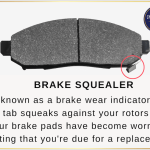
Have new or persistent brake noises evaluated, particularly a grinding sound or a wear-indicator squeal. A noise cannot establish the remaining thickness on its own. Honda explains the purpose of its audible pad wear indicator and notes that Maintenance Minder does not detect worn pads. A quiet vehicle with no service reminder can still need inspection, and a noisy vehicle does not necessarily need pads alone. Describe the symptoms rather than assuming that waiting for a dashboard countdown is sufficient.
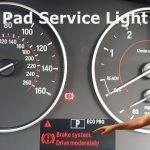
A warning deserves the response specified in the owner's manual. Identify the exact symbol or message; a parking-brake indicator, an ABS fault and a brake-pad message are not interchangeable. If braking performance changes, do not try to reach the next scheduled service first. Contact the workshop or roadside assistance and describe the condition so an appropriate inspection or recovery can be arranged. The question is then whether the braking system is safe, not whether the pads have achieved an expected lifespan.
A change in use is another good reason to revisit the inspection plan. Tell the technician about upcoming towing, mountain travel, a new stop-and-go delivery route or a long period of storage. The existing inspection result remains valuable, but the assumptions behind a future recheck may have changed. Ask whether the planned journey calls for an earlier inspection. This is more defensible than shortening every owner's replacement interval by an arbitrary percentage whenever someone mentions difficult driving conditions.
Why equal distances can produce different wear
Bendix describes pad life as dependent on usage, pad choice and the condition of related brake components. Two cars covering the same distance need not perform the same braking work. A route with repeated stops presents a different pattern from steady cruising. Record the kind of use alongside the odometer reading instead of treating kilometres as a direct count of brake applications. This context helps a technician explain a trend without blaming the driver before checking the hardware.
Do not rank replacement timing solely by ceramic, semi-metallic or another material label. The product must suit the actual brake system and intended use. When comparing two sets, identify the part numbers, their documented application and the conditions under which any lifespan claim was made. A warranty or a marketing description does not measure the pads currently on the car. The practical question is whether the fitted parts and inspected condition meet the vehicle's requirements.
Unexpectedly fast or uneven wear also deserves diagnosis. The Bendix wear guidance discusses the relevance of rotor condition and brake components that are not working correctly. Repeatedly fitting pads without investigating an abnormal pattern can repeat the expense. Tell the workshop which set was fitted, the distance it covered and what changed. Ask for the measured wear pattern and the reason behind any associated repair. Do not convert a short lifespan into proof that a particular brand is defective.
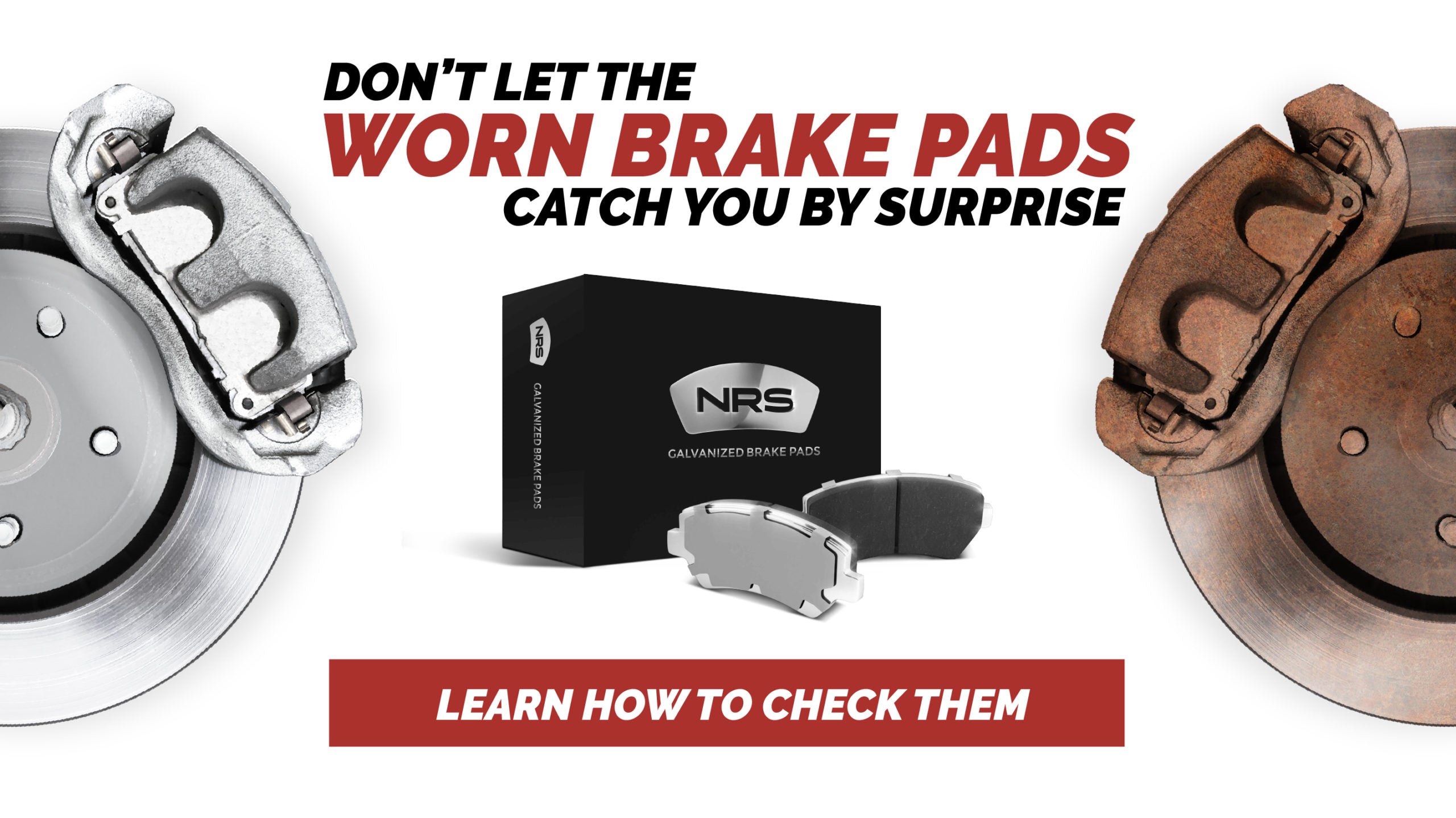
Credit: nrsbrakes.com
Use measurements to plan, without promising a distance
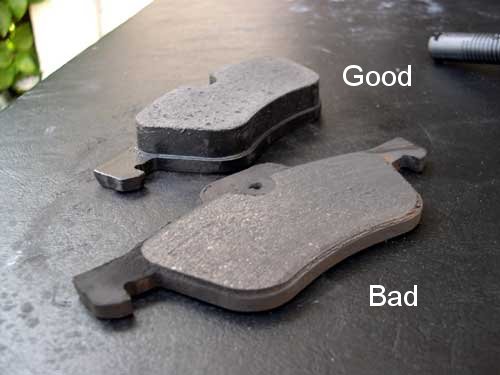
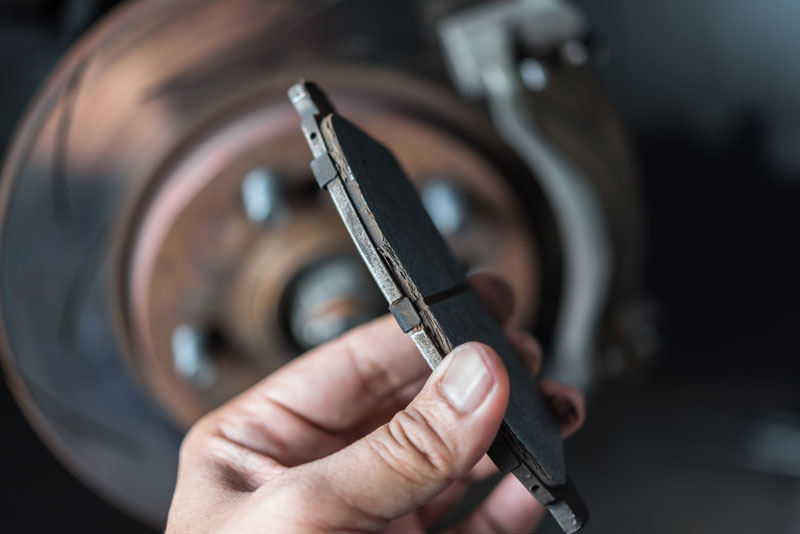
Request remaining friction-material thickness in millimetres, with inner and outer pad results for each relevant wheel. The metal backing plate is not usable lining. Our brake pad thickness guide explains the measurement and reporting distinctions. Also ask which service limit applies to the installed brakes. A note saying front brakes good cannot support the same planning conversation as a complete dated inspection record with measurements, component condition and a recommended next check.
Consider a hypothetical report in which one pad is much thinner than its partners. Averaging all the readings would hide the issue, while basing a forecast on the thickest pad would be even less useful. The lowest relevant reading and the cause of the difference need attention. A technician can recommend action or an earlier recheck using those findings. This example is a reasoning aid, not a threshold or a wear-rate model for any particular car.
Understand what a pad-life display can and cannot say
Chevrolet describes its Brake Pad Life Monitor as an estimate based on vehicle information and sensor input. Its purpose is to help plan replacement; the applicable owner manual provides the vehicle-specific instructions. That estimate is different from a direct measurement written on an inspection sheet. Read the actual message and supply it to the workshop. If an estimate and a physical inspection appear inconsistent, ask for the discrepancy to be investigated rather than selecting whichever result gives more driving distance.
Chevrolet also specifies resetting its monitor after the pads are replaced. Resetting a display does not add friction material or repair a mechanical fault. Avoid resetting a warning simply to postpone a visit, and do not assume that a previous owner's cleared message means new pads were installed. Keep the replacement invoice and any system service record. Other manufacturers use different monitoring arrangements, so do not transplant a menu sequence or reset procedure from another vehicle.
Build a recheck plan around your actual vehicle
After inspection, ask whether any action is needed now and when the next check should occur if your normal use continues. Have the answer recorded as a date, distance or other condition the workshop can explain. Do not calculate a guaranteed future lifespan by dividing remaining millimetres by one previous wear rate. That calculation assumes the measurements and future conditions are comparable and does not account for faults arising in between. A documented inspection plan is a better outcome than false precision.
Keep the record consistent
Store the report with the odometer reading, pad part number if known, serviced axle and replacement date. At the next inspection, compare the same locations and the same definition of thickness. If a later result looks higher, check whether one shop included the backing plate or estimated through the wheel. Preserve uncertainty in the notes. A measurement that cannot be confirmed should lead to clarification, not a confident prediction made from incompatible numbers.
Treat low annual mileage as context
A car driven infrequently still needs the maintenance applicable to its age, environment and condition. The Tesla salted-road example shows why some brake work has a time trigger as well as a distance trigger. Low odometer growth does not cancel that requirement. If the vehicle has been stored, explain how long and under what conditions when arranging service. Do not assume a long break from driving is equivalent to a recent brake inspection, particularly when the history is incomplete.
Evaluate a replacement recommendation
A useful quotation connects the proposed work to evidence. Ask which axle is affected, what was measured, what limit or defect justifies replacement, and whether there is an additional problem causing wear. Distinguish work required now from an optional decision to combine future work with today's visit. That distinction helps you plan costs without dismissing a valid safety finding. An unexplained kilometre target should not be the only reason offered for replacing a serviceable component.
Pads and rotors need separate findings
Brembo notes that rotors wear and have their own minimum thickness limits. Ask for rotor condition and measurements if the quotation includes them. Fresh pads do not automatically make a worn rotor suitable, while the need for pads alone does not explain every additional item on a bill. The workshop should identify the relevant specification and finding. This is also a useful time to ask what fitting and post-repair checks are included, without trying to prescribe a universal repair procedure.
A previous pass is a snapshot
Bendix explains that a roadworthy inspection is a check at a particular time, not a guarantee of future component life. If a seller says the brakes recently passed an inspection, request the dated findings and any measurements. Do not interpret the certificate as proof of new pads or a particular number of kilometres remaining. Equally, a later recommendation is not automatically contradictory: examine the elapsed distance, new symptoms and what each inspection actually assessed.

Credit: www.kwik-fit.com
What to do next
If you have no reliable brake history, arrange a baseline inspection and keep the results. If you have a recent complete report, follow its recheck advice together with the vehicle's maintenance requirements. If symptoms or a warning have appeared, have that concern addressed before relying on the schedule. These are different situations, so a single replacement distance is not a useful answer to all of them.
When pads are replaced, record the date, distance, axle and exact parts. Ask for the correct care or bedding instructions for the fitted product and clarification of any follow-up. If a squeak starts after that work, our new brake pad noise guide explains how to describe it and what the installer should check. Do not assume the sound proves that the new pads have already worn out.
Use kilometres to organize the history, and use inspections to decide on the brakes. The goal is a reasoned decision supported by measured lining, the correct specification and the condition of the assembly. That approach works whether a car accumulates distance quickly or spends most of the year parked, without pretending that an average lifespan can certify an individual set of pads.


Automotive reference information. Confirm specifications in the manual for your exact vehicle. Original replacement guides link to their research sources. About us