AdvertisementLeaderboard · 728×90 / 970×250 desktop · 320×50 mobilehouse_top_leaderboard
Brake Pads
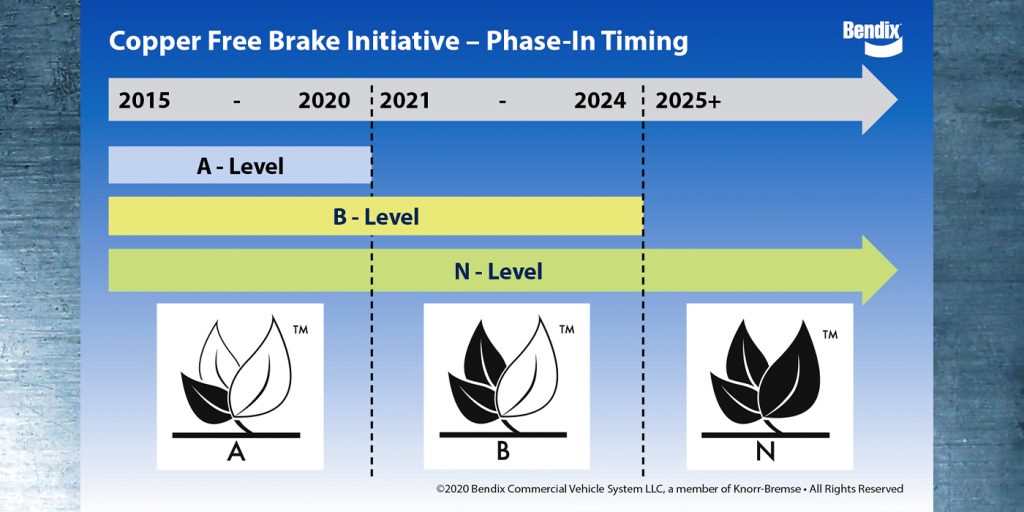
Copper-free pads reduce copper in brake wear debris, but the label alone does not rank stopping power. Compare fitment, Level N markings and product evidence.
Plan brake pad replacement using measured wear, vehicle instructions and driving conditions. Understand kilometre estimates, service intervals and pad monitors.
Measure brake pad friction material, check inner and outer pads, and compare the thinnest reading with the correct vehicle specification.
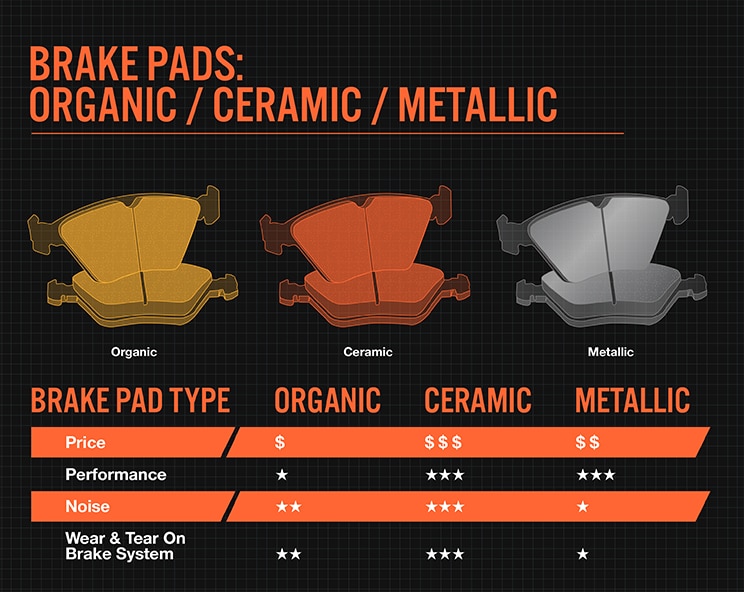
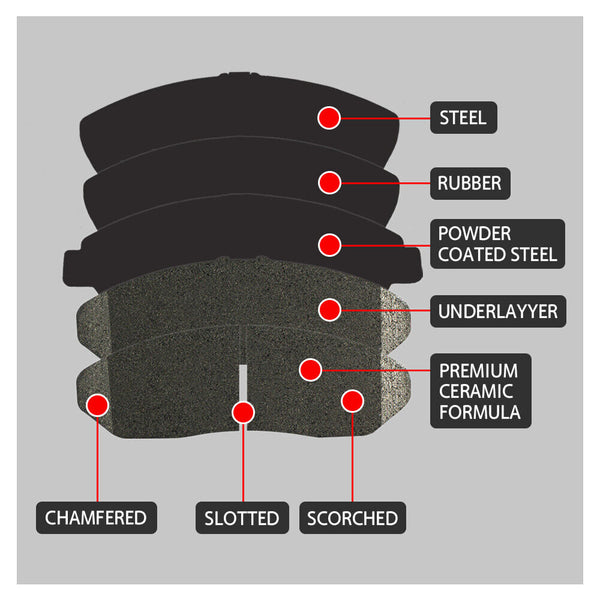
Organic brake pads use resin, reinforcing fibers and friction modifiers. Learn what NAO means, how ceramic labels overlap and what a material claim can prove.
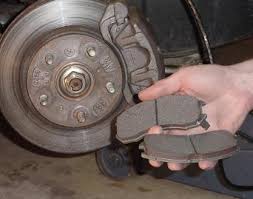
Find compatible brake pads using the correct axle, vehicle build and brake package. Check catalog notes, part numbers, sensors and hardware before ordering.
Asbestos was replaced by engineered friction blends, not one universal ingredient. Understand NAO, ceramic and metallic pads, plus precautions for old brakes.
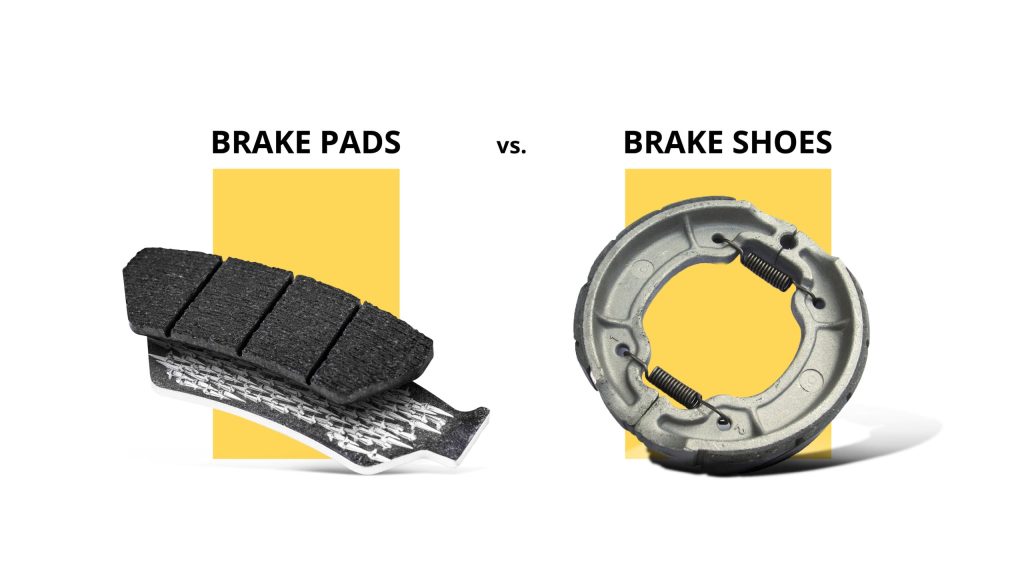
Brake pads clamp a disc; brake shoes press inside a drum. Learn how to identify your system, understand parking-brake shoes and compare repair estimates.
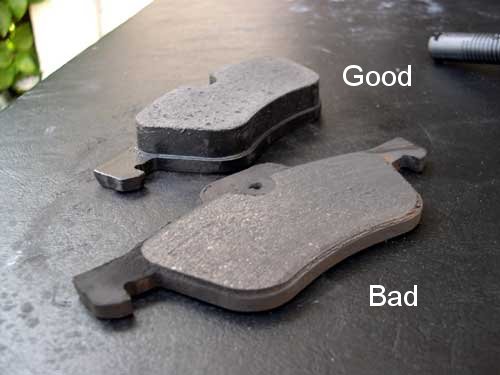
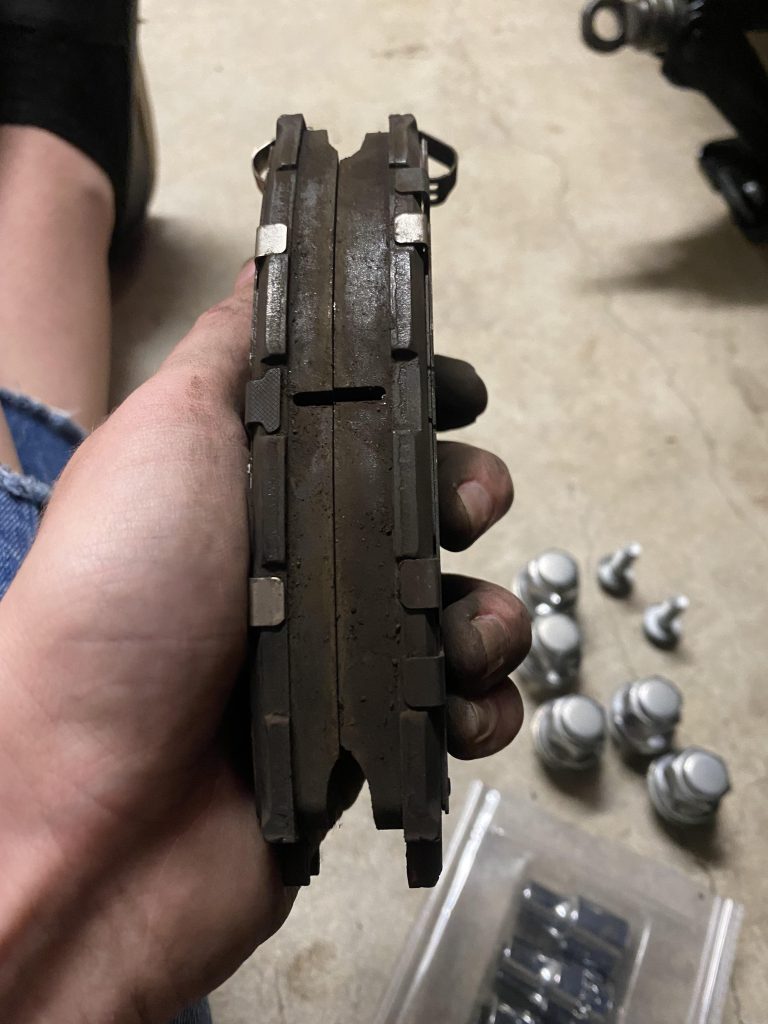
Understand inner, outer and tapered brake pad wear. Learn which measurements and component checks help identify the cause before fitting another pad set.
Understand new brake pad squeaks, which symptoms need prompt attention, and what to ask a workshop to check before blaming the pad material.
AdvertisementIn-feed · 336×280 / 300×250 desktop · 300×250 mobilehouse_infeed
AdvertisementSidebar · 300×250 / 300×600house_sidebar
AdvertisementLeaderboard · 728×90 desktop · 320×50 mobilehouse_bottom