AdvertisementLeaderboard · 728×90 / 970×250 desktop · 320×50 mobilehouse_top_leaderboard
Brake Pads
Understand why the pedal needs checking after pad replacement, when to stop pumping, and why a low or sinking pedal is not normal bedding-in.
Identify a failed brake-pedal stopper, check recall eligibility, and verify the correct replacement without improvising a brake-switch repair.
Identify your F-250 model year, brake equipment and service procedure before replacing rear pads, retracting pistons or removing hardware.
Check which BMW X5 brake warning you have, what must be repaired before a CBS reset, and why a reset may not clear a brake-system fault.
Distinguish a BMW wear sensor from its CBS service record, check the correct reset path, and understand why some cars need diagnostic equipment.
Identify the pad-warning system, complete the required repair, and use the correct reset procedure instead of bypassing sensors or clearing faults.
Use the 2019 Silverado 1500 manual reset after pad service, and distinguish a maintenance reset from a monitor fault requiring diagnosis.
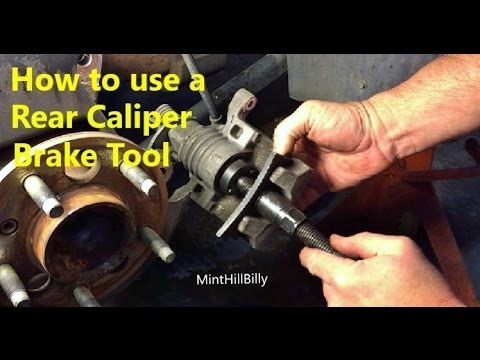
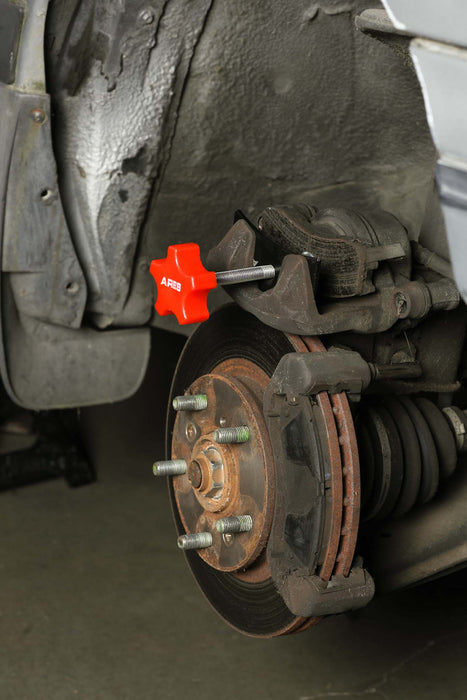
Choose a brake-piston spreader that fits the caliper, understand C-clamp limitations, and stop if the mechanism requires a different service procedure.
Assess Duralast brake pads by fitment, product range, hardware, application and warranty instead of relying on a brand-wide verdict.
Learn when pad-and-rotor replacement needs bleeding, how pedal seating differs, and why a soft pedal must be diagnosed before driving.
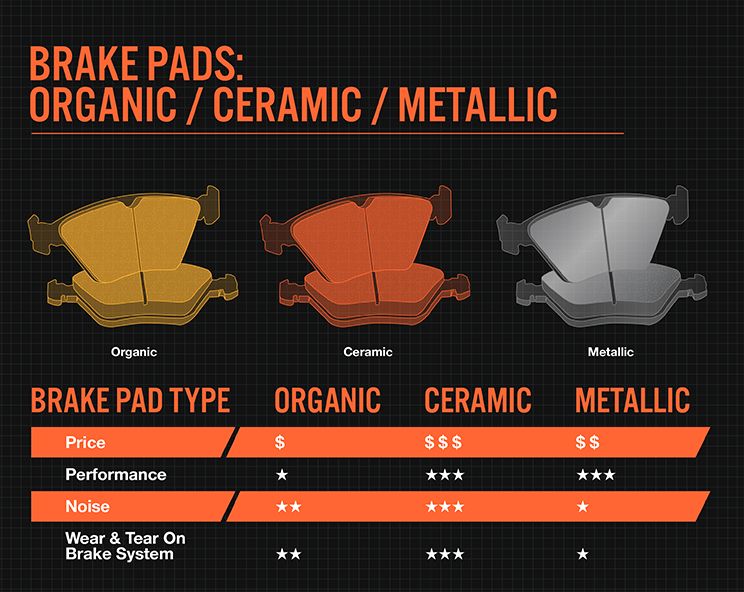
Understand what the ceramic label describes, why formulas vary and why ceramic pads do not imply ceramic rotors or universal compatibility.
Organic brake pads use resin, reinforcing fibers and friction modifiers. Learn what NAO means, how ceramic labels overlap and what a material claim can prove.
AdvertisementIn-feed · 336×280 / 300×250 desktop · 300×250 mobilehouse_infeed
AdvertisementSidebar · 300×250 / 300×600house_sidebar
AdvertisementLeaderboard · 728×90 desktop · 320×50 mobilehouse_bottom