
Changing pads and rotors does not automatically require bleeding when the hydraulic circuit stays closed and the vehicle procedure does not call for it. Bleeding removes air from the hydraulic system; pad and rotor replacement is primarily mechanical work. Those are different service tasks.
If a hose or hydraulic component was disconnected, the reservoir ran low enough to admit air, or the service procedure requires bleeding, follow the specified process. A soft, sinking or excessively long pedal after the job must be investigated before the car is driven.
Separate seating the pads from removing air
Retracting caliper pistons creates space for the new pads. Once everything is correctly assembled, the prescribed pedal applications return pads and pistons to their working positions. That is a seating step, not a way of expelling trapped air from a closed system.
HELLA’s replacement example includes establishing the working position after assembly. The exact pedal travel and system state must follow the applicable vehicle instructions. See post-replacement pedal checks for this distinct step.

Credit: www.reddit.com
What changed in the hydraulic circuit?
Review the actual work, not just the invoice title. Were only friction components replaced? Was a bleeder opened during piston retraction? Was a caliper, hose or line replaced? Was fluid lost, and did air enter? Each detail affects the required completion procedure.
If a hydraulic component was opened or removed, use the corresponding bleeding instructions rather than assuming a few extra pedal strokes will finish the job. Opening one part of a system can require a broader procedure depending on the vehicle design and where air may have entered.
Fluid replacement is a separate maintenance decision
Brake fluid may be due for replacement under the vehicle’s service schedule even when pads do not need changing. Conversely, new pads do not prove the fluid is overdue. Discuss the scheduled requirement and evidence separately from the mechanical repair.
HELLA’s brake-fluid guidance describes fluid renewal and bleeding as controlled hydraulic procedures. Use the specified fluid and equipment. Do not assume all DOT-numbered fluids are interchangeable or that a generic fluid change sequence covers every braking system.
ABS and electronically controlled brakes need their procedure
Some systems require diagnostic functions or a defined service mode for particular hydraulic work. Conventional advice to bleed the farthest wheel first is not a substitute for the vehicle’s sequence. Hybrid, electric and integrated brake systems can have additional precautions.
If the required scan-tool function, pressure equipment or instructions are unavailable, have a qualified workshop complete the service. Do not experiment with ignition states or pump activation to move air through an unfamiliar hydraulic unit.
A firm pedal is necessary but not the only check
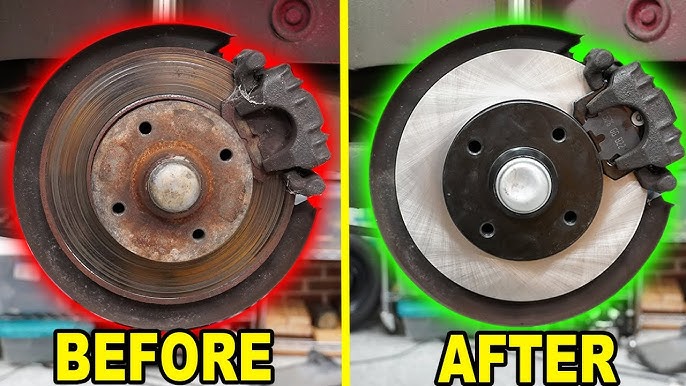
Credit: www.youtube.com
After the prescribed seating and any required bleeding, inspect for leaks and verify the relevant functional checks. Check the fluid level under the specified conditions and restore any service modes or parking-brake settings required by the repair.
A pedal that firms up briefly after repeated pumping but then loses that behavior is not a completed repair. Nor is an engine-off hard pedal alone proof that the vehicle’s full braking system operates correctly. Follow the full verification sequence.
When to stop and get the work checked
Do not drive to “bed in” a pedal that sinks, remains spongy, travels excessively or is accompanied by a warning or leak. Bedding friction surfaces cannot repair a hydraulic fault. Arrange inspection or recovery if normal brake function has not been established.
The useful question is not whether bleeding is always good after pads. It is whether this repair introduced air, the vehicle requires a hydraulic procedure, or diagnosis identifies a problem that bleeding can address. Correct mechanical assembly and a verified hydraulic system are both required.


Automotive reference information. Confirm specifications in the manual for your exact vehicle. Original replacement guides link to their research sources. About us


