AdvertisementLeaderboard · 728×90 / 970×250 desktop · 320×50 mobilehouse_top_leaderboard
Brake Pads
Brake pads need the movement and retention their design specifies. Learn how to assess binding, hardware fit and unsafe filing shortcuts.
Understand brake-pad bedding, why procedures vary, and how to avoid using aggressive track instructions on an ordinary road-brake installation.
Plan a 2017 Silverado brake-pad replacement with correct model identification, service information, inspection and post-repair checks.
Plan front or rear pad replacement on a 2018 Accord with correct fitment, electronic parking-brake requirements and post-service checks.
Identify the rear brake system on your Honda CR-V before replacing pads, especially electronic parking-brake service requirements.
Plan rear pad replacement on a 2018 F-150 by identifying the parking brake, obtaining the correct procedure and verifying operation after service.
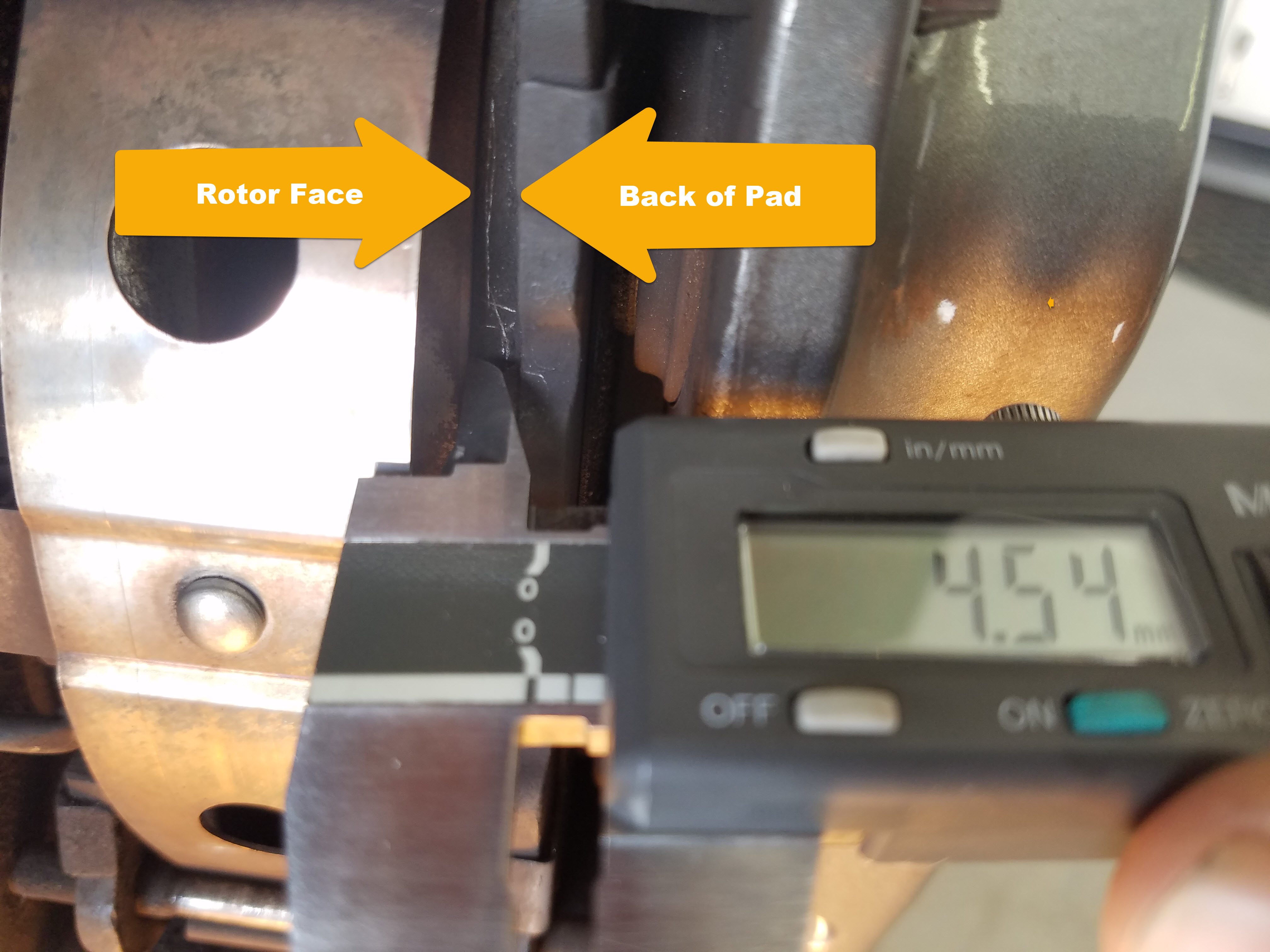
Measure brake pad friction material, check inner and outer pads, and compare the thinnest reading with the correct vehicle specification.
Separate brake pads, rotors, fluid and suspect asbestos waste, then confirm the receiving facility’s rules before transport or recycling.
Glazed pads need an assessment of friction condition and overheating causes. Learn when replacement is appropriate and why sanding is not a universal fix.
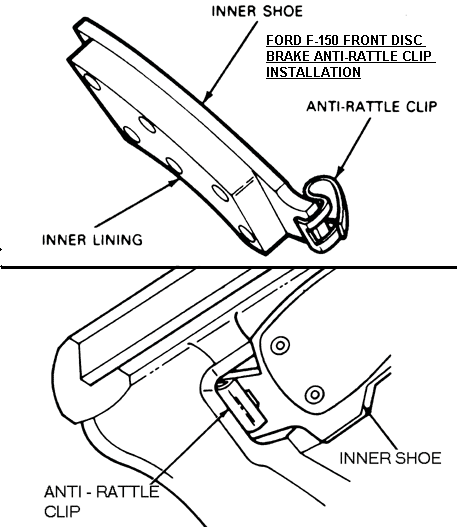
Identify brake-pad hardware correctly, follow the application diagram, and check clip seating without forcing or reshaping the parts.
Find the correct F-350 pad hardware by year, axle and brake configuration, then verify clip orientation and pad movement against the service diagram.
Check brake hardware identity, orientation, seating and pad movement before completing the vehicle-specific brake installation procedure.
AdvertisementIn-feed · 336×280 / 300×250 desktop · 300×250 mobilehouse_infeed
AdvertisementSidebar · 300×250 / 300×600house_sidebar
AdvertisementLeaderboard · 728×90 desktop · 320×50 mobilehouse_bottom