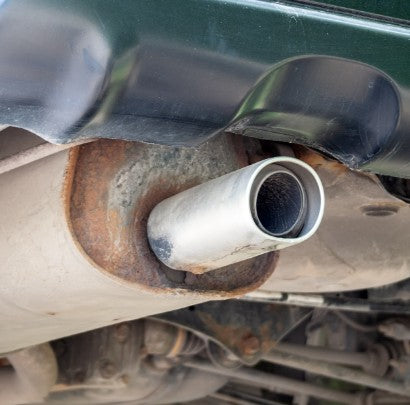

A bad muffler may produce a new exhaust roar, leak through a corroded seam, rattle internally or hang out of position. However, none of those sounds alone proves that the muffler is the failed part. Pipes, joints, shields and mounts can create similar symptoms.
Mufflers do deteriorate. Corrosion, impact damage and failed internal components can compromise them, but there is no mileage at which every muffler must be replaced. The useful question is whether inspection identifies a defect that explains your symptoms.

Credit: www.youtube.com
Separate immediate safety concerns from an ordinary noise change
If exhaust is entering the cabin, stop using the vehicle and arrange inspection or recovery. Exhaust can contain carbon monoxide, which cannot be reliably detected by smell. If occupants feel unwell, move to fresh air and seek medical help immediately; do not continue a diagnostic drive. CDC guidance on carbon monoxide supports prompt fresh air and medical assessment when symptoms occur.
A dragging exhaust or visibly detached section also requires prompt attention because it may strike the road or other components. Do not reach underneath a running vehicle, touch a hot exhaust or work under a car supported only by a jack.
What each symptom does and does not establish
A new low roar or sharper exhaust sound suggests that the system is no longer containing or silencing pulses as before. A hole in the muffler is one possibility, but a split pipe or leaking joint can bypass normal noise control. Location needs confirmation.
A metallic rattle may be an internal muffler problem, a loose heat shield or exhaust contact with the body. A low-hanging tailpipe can point to failed support hardware. Buying the muffler based on the sound alone risks leaving the actual defect in place.
Do rust and water mean the muffler has failed?
Walker describes both internal and external exhaust corrosion. Moisture and environmental exposure help explain why age and driving conditions matter alongside mileage. Nevertheless, discoloration or surface rust is not the same finding as a perforation or separated seam.
Small amounts of condensation at the tailpipe are not, by themselves, proof of a failed muffler. Similarly, a factory drain feature should not automatically be treated as an accidental hole. Have a technician identify the component’s intended construction before deciding to seal or replace it.
Ask for an inspection of the complete exhaust

Credit: vfauto.com
Walker’s inspection guidance includes welds, pipe connections, clamps and flexible sections. This wider view matters because the loudest place you hear a noise may not be the source, and more than one component may have deteriorated.
Ask the shop to show the confirmed leak, broken support or internal defect and explain which parts the estimate includes. Check whether adjacent pipes are sound enough for a proper connection and whether shields and hangers remain serviceable. A diagnosis is more useful than a quote based only on the vehicle’s age.
Repair decisions that address the actual problem
An isolated support problem may need hardware rather than a muffler. A muffler with extensive structural corrosion generally needs replacement rather than a cosmetic patch over one visible opening. The correct decision depends on material condition and whether a durable, sealed installation is possible.

Credit: vfauto.com
Match the replacement to the vehicle and required emissions/noise configuration. A louder aftermarket part may change the driving experience without resolving another leak. Keep the original symptom in the repair order so the technician can verify that it has actually been corrected.
What to record before the appointment
Note when the sound began, whether it follows engine speed or road bumps, and whether there was a recent impact or exhaust repair. Photos taken safely from outside the vehicle can document a hanging component. For background on the part’s job, see how mufflers reduce engine noise. These observations support diagnosis; they do not replace a leak and mounting inspection.


Automotive reference information. Confirm specifications in the manual for your exact vehicle. Original replacement guides link to their research sources. About us


