AdvertisementLeaderboard · 728×90 / 970×250 desktop · 320×50 mobilehouse_top_leaderboard
Brake Pads
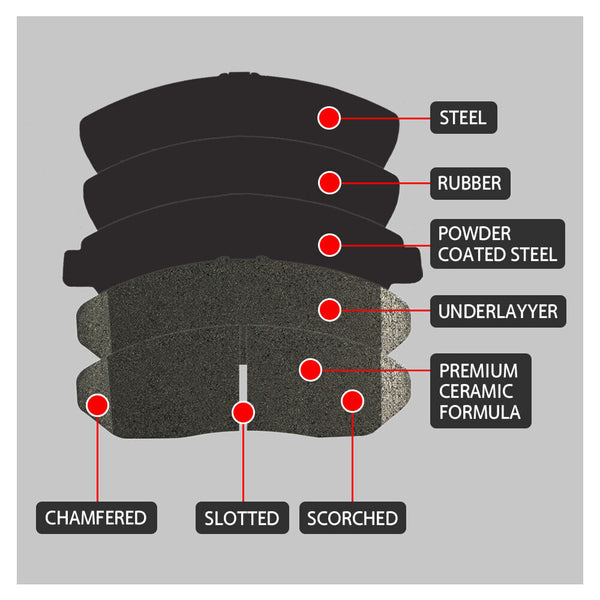
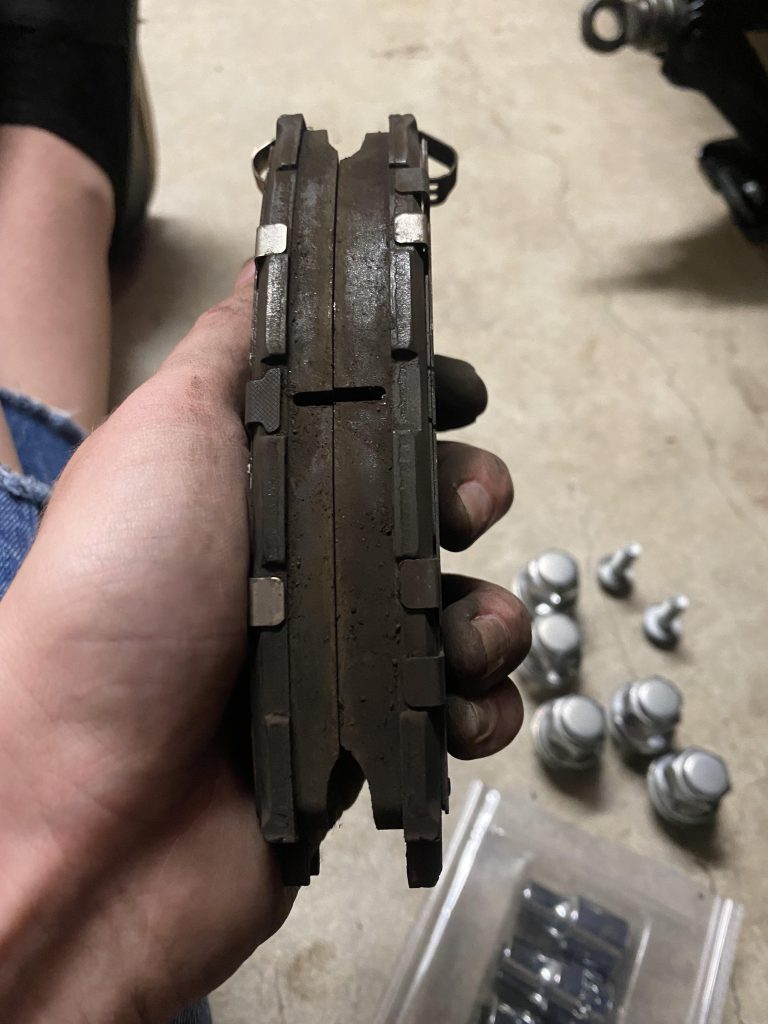
Identify abutment clips, anti-rattle springs, wear indicators and retaining clips so brake hardware is fitted in the correct location.
No friction brake pad is truly dust-free. Learn how to compare low-dust options and recognize when uneven wheel deposits need inspection.
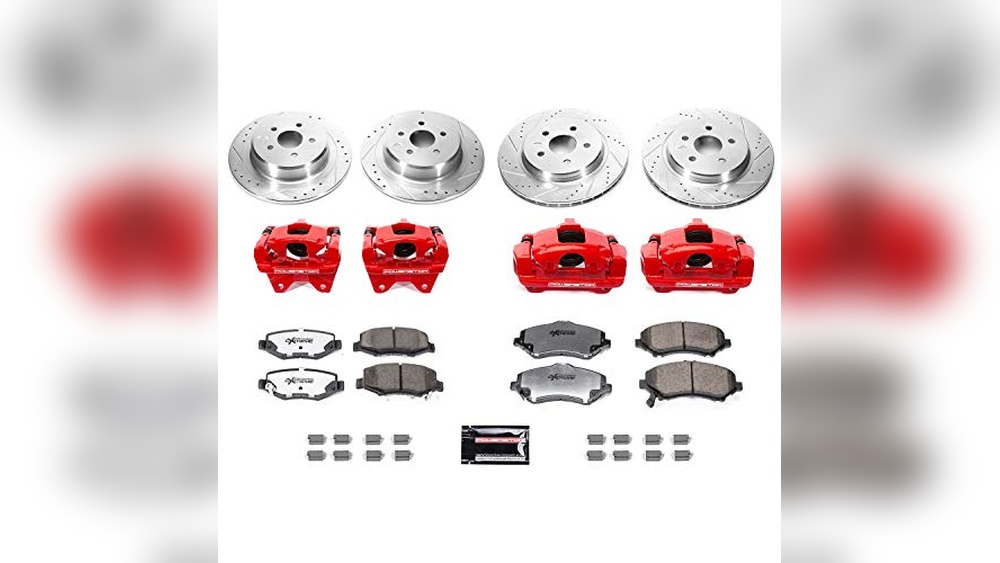
Find compatible brake pads using the correct axle, vehicle build and brake package. Check catalog notes, part numbers, sensors and hardware before ordering.
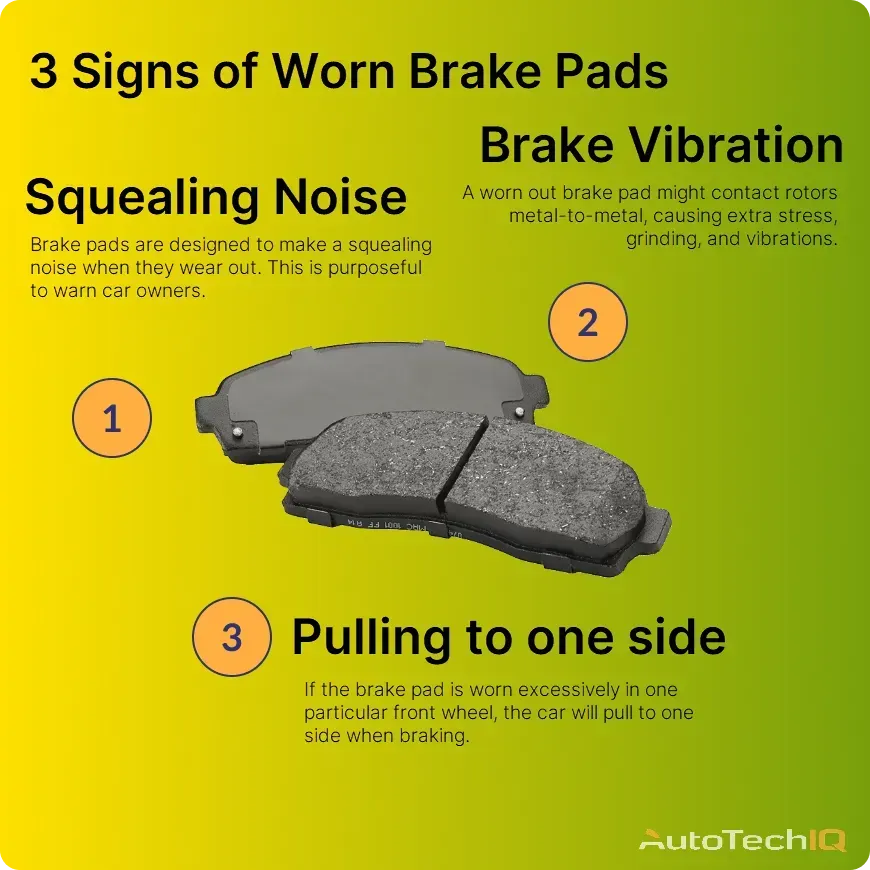
Distinguish heavy brake use from abnormal drag, installation problems and uneven wear before replacing another set of pads.
Understand a Service Brake Pad Monitor message, how it differs from a wear warning, and what to check before resetting the system.
Choose an application-approved brake lubricant, identify permitted contact points and avoid contaminating pads, rotors, rubber or special shims.
Asbestos was replaced by engineered friction blends, not one universal ingredient. Understand NAO, ceramic and metallic pads, plus precautions for old brakes.
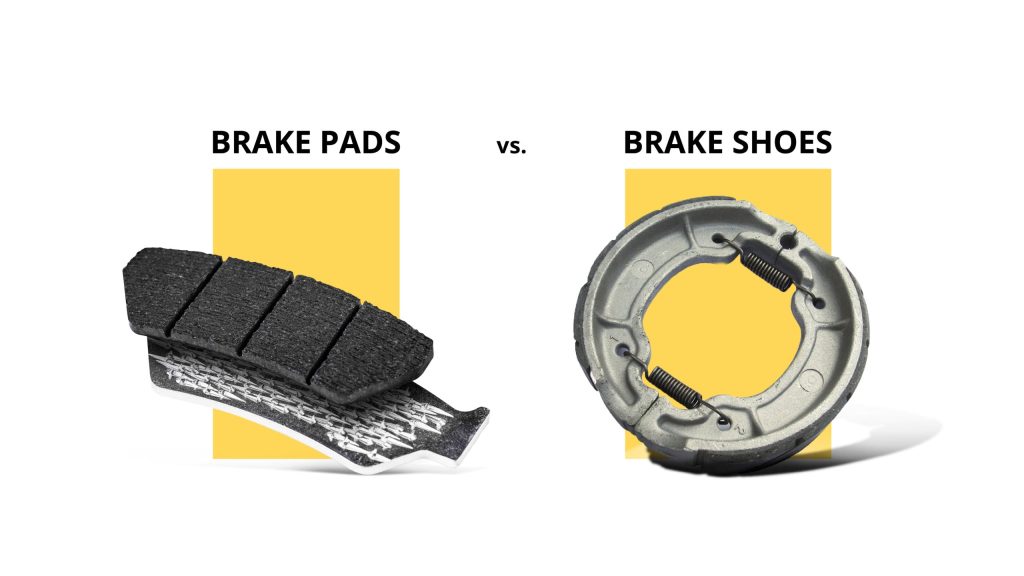
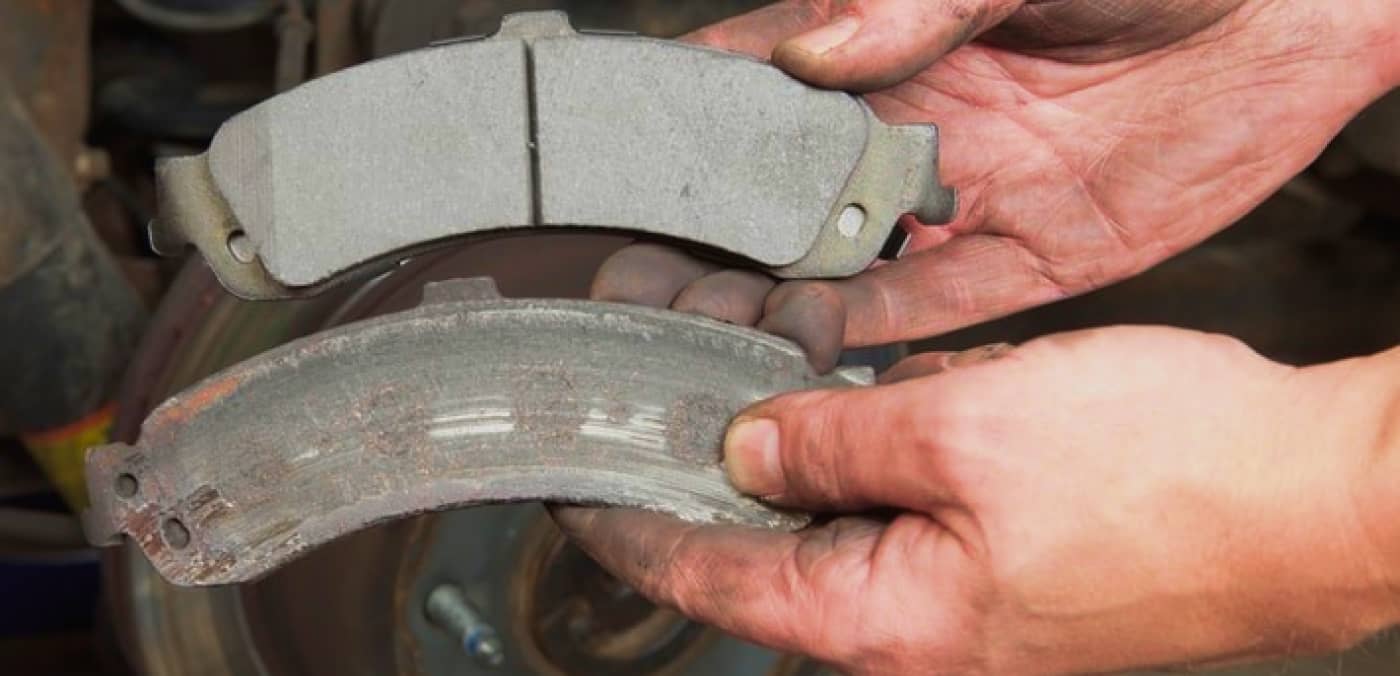
Brake pads clamp a disc; brake shoes press inside a drum. Learn how to identify your system, understand parking-brake shoes and compare repair estimates.
Verify Wagner brake-pad country of origin using the exact part number, packaging and manufacturer confirmation rather than brand history.
Find the correct wear-indicator location from the pad and vehicle instructions; avoid universal inner-pad, upper-edge or leading-edge rules.
Compare ceramic and semi-metallic pads by vehicle fitment, driving conditions, dust, noise and service requirements before choosing a replacement.
Understand inner, outer and tapered brake pad wear. Learn which measurements and component checks help identify the cause before fitting another pad set.
AdvertisementIn-feed · 336×280 / 300×250 desktop · 300×250 mobilehouse_infeed
AdvertisementSidebar · 300×250 / 300×600house_sidebar
AdvertisementLeaderboard · 728×90 desktop · 320×50 mobilehouse_bottom