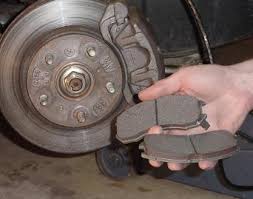

Asbestos in brake pads was replaced by engineered combinations of reinforcing fibers, binders and friction-control ingredients. There was no single substitute used in every product. Modern labels such as non-asbestos organic, ceramic and semi-metallic describe different friction formulations rather than three pure substances. For an owner choosing replacements, the important question is which verified asbestos-free product is specified for the vehicle, not which isolated ingredient sounds strongest. The condition and identity of old installed parts are a separate issue.
The change involved redesigning a composite. A brake lining has to remain mechanically sound while its friction behavior suits the brake assembly and operating conditions. Replacing a fiber without reconsidering the rest of that mixture would not establish those properties. Understanding the roles of ingredients explains the transition more accurately than a statement that ceramic simply replaced asbestos. It also helps you recognize exaggerated claims that every modern pad is harmless, dust-free or suitable for every car.
This article addresses automotive friction materials and practical identification, rather than diagnosing asbestos exposure or supplying a workshop removal procedure. If you are comparing today's compounds, keep the original application requirements in view. Our brake-pad fitment guide covers how to verify the correct replacement. If you have unidentified old stock or unknown installed linings, do not handle them as a material sample just to find out what they contain.
Why the replacement required more than another fiber
Asbestos was historically valued in friction products for properties that included heat resistance. Its health hazards drove the move to alternatives. A documented manufacturer history is more precise than a supposed worldwide changeover year: Akebono says its passenger-car original-equipment products became non-asbestos in 1992, its commercial-vehicle equivalents followed in 1994, and its asbestos replacement-parts production ended from 2000. Those dates describe Akebono's production, not every manufacturer, country or brake already in service.
Think of the engineering task as replacing a set of functions. Reinforcement helps the lining maintain integrity. The binder holds its ingredients together. Other components adjust friction, wear and behavior against the mating surface. Different combinations can meet the same application requirements, so a replacement pad does not have to reproduce the old ingredient list. What it must provide is the required performance as a finished, correctly manufactured component.
What non-asbestos means for old and new parts
A non-asbestos specification is valuable information about an identified product. It is not proof about an unrelated pad already on the car. The EPA brake-and-clutch repair guidance says appearance cannot establish whether friction parts contain asbestos. A previous owner's vague recollection, a dark lining color or a recently painted backing plate is therefore insufficient. Ask for the installed product's records where available; leave uncertain dusty assemblies to a suitably equipped repairer.
Avoid blowing brake dust out with compressed air, dry brushing it into the workspace, or using an ordinary household vacuum to collect suspected asbestos dust. EPA describes specialized dust-control methods for brake service and advises home mechanics to consider a professional shop when material identity is uncertain. This is a handling issue even when the planned new parts are documented as asbestos-free. The composition of the replacement box cannot retroactively identify dust from the removed assembly.
Reinforcing fibers replaced one important asbestos role
Aramid fibers are one example of reinforcement used in modern friction materials. DuPont identifies brake pads and clutch components among applications for its aramid-fiber technology. That establishes a use for the material; it does not mean every pad contains that particular brand or fiber. A seller's mention of an impressive fiber should be treated as one formulation detail, not a complete description of the pad's braking behavior.
Other fiber and particulate choices depend on the formula. An ingredient can contribute useful properties without being the dominant component, and its effect depends on what surrounds it. Avoid converting a raw-material claim into a finished-product promise. For example, “contains a heat-resistant reinforcement” is not the same claim as “validated for this vehicle under repeated heavy braking.” Ask for the latter kind of application evidence when service conditions are demanding.
Credit: www.lanierlawfirm.com
What NAO and ceramic labels actually tell you
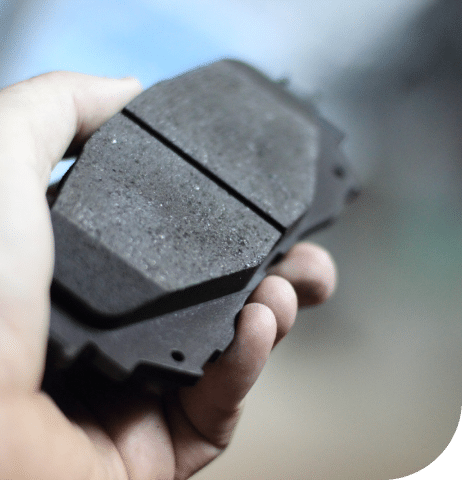
NAO stands for non-asbestos organic. It identifies a broad family of friction composites rather than a pad made entirely from natural plant material. The word organic can cause confusion because shoppers also see it on food and environmental marketing. In brake terminology it should not be read as a promise of biodegradability, chemical purity or harmless dust. Our explanation of organic brake-pad ingredients examines those material roles in more detail.
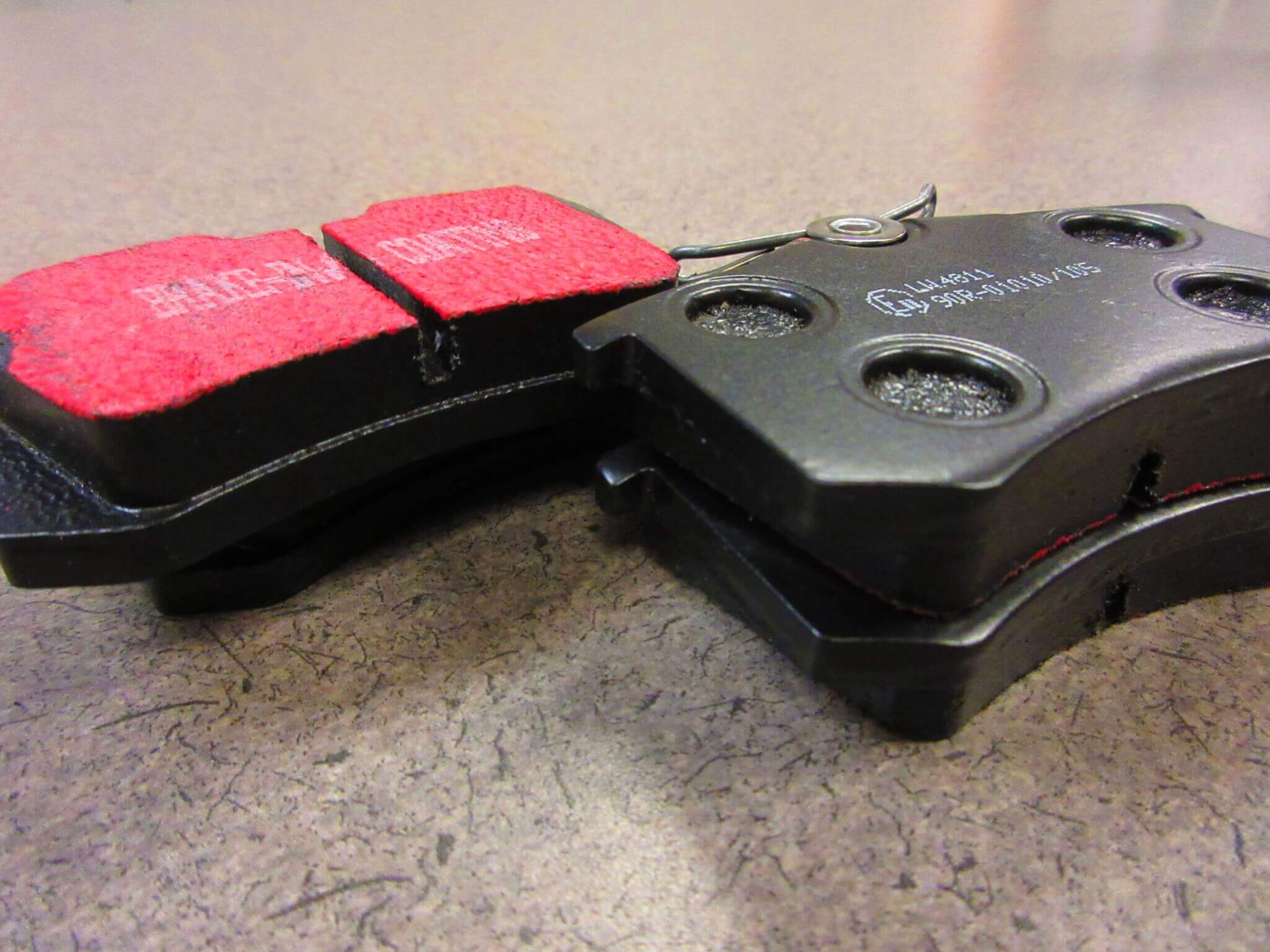
Ceramic is not always a completely separate category from NAO. Bendix's compound guide groups its ceramic and non-asbestos organic formulations together. Other catalogs may present their ranges differently. This makes the exact product description more useful than a rigid internet chart that treats every brand's categories as identical. When two sellers use different labels for the same application, compare manufacturer part numbers and technical information before assuming one product is an upgrade.
How metallic formulations fit into the transition
Low-metallic and semi-metallic pads use metallic constituents as part of their friction formulation. These names are not evidence that asbestos is present, and neither means that the pad is a solid block of metal. The mix still has to work as a manufactured friction component. Conversely, do not rely on the word metallic alone to certify absence of asbestos in unidentified old stock; obtain documentation for the actual product you are buying.
A driver deciding between approved replacement options should describe the vehicle's use rather than request the material with the toughest-sounding name. Ordinary commuting, repeated heavy loading and specialist competition service are different requirements. A pad designed for one application cannot be assumed to suit another merely because both are called semi-metallic. The replacement decision belongs at the finished-product and vehicle level, where fitment and intended use can be checked.
Credit: www.lanierlawfirm.com
Binders and friction modifiers complete the new material
The fiber is only part of the answer to what replaced asbestos. Bendix's formulation explanation identifies resin, mineral ingredients, abrasives, lubricants and fibers as contributors to its pad mixes. Its examples include graphite and aramid fiber. These are examples from a manufacturer's development approach, not a recipe that applies to every pad on sale. Exact proportions and combinations are product-specific and are often not publicly disclosed.
A useful way to read an ingredient description is to ask what role it serves. A binder connects the mixture; reinforcement contributes structure; friction-adjusting materials help tune contact behavior. That division prevents the mistaken assumption that a pad should contain only abrasive ingredients because its job is to create friction. Controlled behavior is the aim. Adding a hard ingredient indiscriminately would not establish consistent braking or acceptable wear of the matching rotor.
How to compare modern replacements without guessing
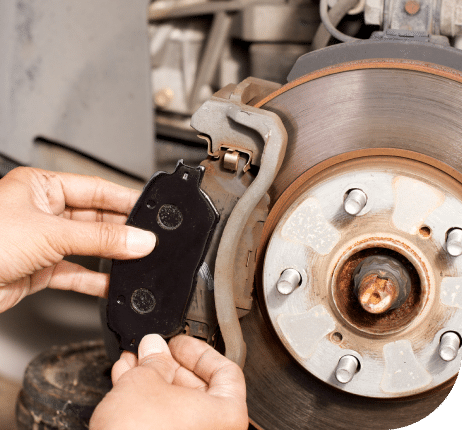
Begin with a verified vehicle application and a traceable supplier. Record the maker, part number, axle and any brake-package restriction. Then ask whether the product is intended to replace the original road-use component or to serve a different specialist purpose. Textar describes developing formulations for specific braking systems, loads and uses. That emphasis supports comparing suitable applications first, instead of ranking every asbestos-free pad by a single advertised material.
Keep composition, fitment and product performance as separate checks. A documented asbestos-free pad can still be the wrong shape for your caliper. A correctly shaped pad can still have an unsuitable intended use. A long list of ingredients does not establish independent comparative testing. If the seller only supplies a generic description, ask for the manufacturer's exact catalog entry. Stop the purchase if basic compatibility remains unresolved.
Why there is no single worldwide asbestos changeover date
Manufacturer phaseouts and legal restrictions did not occur simultaneously in every market. The EPA chrysotile risk-management page describes the United States' 2024 rule and a six-month transition after its effective date for specified uses including aftermarket automotive brakes and linings. That is a defined US regulatory action, not a worldwide date on which all older brake assemblies became asbestos-free. Check the current authority for the country and product transaction concerned.
This distinction matters most with a classic vehicle, imported component or unopened old box. A manufacturing date may help trace a part, but it does not replace product identification. Nor does a country-of-sale assumption prove what was installed during an earlier repair. Keep the packaging and invoice where available, and send those details to the manufacturer or a qualified specialist. Do not scrape, sand or break the lining to investigate its fibers.
Copper reduction is a different material change. A pad can be asbestos-free while containing copper, and copper-free while still requiring normal brake-dust precautions. Our guide to copper-free pads separates that environmental specification from braking performance. Combining the two subjects into one claim that all undesirable ingredients disappeared at the same time would obscure the different reasons and timelines behind reformulation.
Newer formulations also do not make service cleanliness optional. Treat brake work as a controlled repair process with the correct instructions, equipment and waste handling. The EPA family-exposure guidance directs asbestos-containing automotive friction-component work to repair shops following the applicable OSHA regulations. Ask the shop how it handles uncertain old parts rather than requesting a dry clean-out as a quick extra.
Credit: www.freedoniagroup.com
A practical plan for the next brake replacement
For a routine modern-car repair, document the correct replacement application, choose a traceable product with the relevant material information, and retain the invoice. For uncertain old brakes, tell the shop about that uncertainty before disassembly. For surplus friction parts in storage, seek identification and local disposal guidance rather than donating or fitting them on the assumption that unused means safe. These are three different situations and should not be handled as one shopping question.
The historical answer is a family of engineered substitutes: alternative reinforcement combined with binders and friction modifiers in NAO, ceramic and metallic formulations. The practical answer is more specific. Buy a documented finished product for your vehicle, and treat the unknown old assembly as unknown until properly assessed. Neither a material nickname nor a universal date can do those checks for you.


Automotive reference information. Confirm specifications in the manual for your exact vehicle. Original replacement guides link to their research sources. About us