
The brake pads that fit your car are the ones listed for its exact brake configuration and axle, with all applicable catalog conditions satisfied. Year, make and model are the starting point, not always the complete answer. Confirm the brake package, build information and any part-specific notes before ordering. A pad that resembles the old one or appears in a retailer's broad search results has not yet been fully verified. Do not alter an incorrect pad to make it fit a caliper.
Begin by writing down the vehicle's model year, model, engine, market and the axle being serviced. Keep the VIN and any brake-option information available for the parts supplier. Use the vehicle's identification and service records rather than a remembered trim badge or registration date alone. If the car has aftermarket brakes, an axle conversion or an unknown repair history, note that immediately. The factory vehicle description may no longer identify the installed caliper and rotor combination, so the kit or component manufacturer's documentation becomes essential.
The goal is a traceable match: vehicle and brake configuration, selected manufacturer part number, application notes, required accessories and the evidence used to confirm them. Save that information with the order. This is more useful than a screenshot showing only a green fits-your-car badge. If two results remain plausible, resolve the distinguishing feature before paying or dismantling the vehicle. There is no benefit in choosing the cheapest unresolved option and hoping the old and new pads will look close enough once the car is on stands.

Credit: www.reddit.com
Identify the axle and brake configuration
Select front and rear applications separately. Their pads may differ in shape, thickness, sensors and hardware, even when the boxes share a brand or product-line name. The relevant question is whether the manufacturer lists a particular part for the required axle and configuration, not whether both sets look similar in a product photograph. Check whether that axle actually uses disc pads or drum shoes. An electronic parking brake also does not, by itself, identify a unique rear pad set; follow the catalog conditions for the installed system.
Brembo advises checking the vehicle-information conditions when a catalog returns more than one part number. These conditions are part of the application, not optional notes. Read them together with the selected vehicle details. A build-date split, brake-system identifier or equipment condition may distinguish two entries that otherwise share the same make and model. If you do not understand a condition, ask the supplier to explain what evidence establishes it on your car. Do not assume the first listing is the default and the second is merely an upgrade.
Some applications need a production code as well as the vehicle model. ATE explains the use of VIN information and PR production codes in its catalog, including brake-related PR codes for Volkswagen Group vehicles. Locate the information through the vehicle's records and manufacturer guidance; do not substitute an unrelated code from an internet example. If a label is missing or unreadable, ask a qualified supplier or vehicle manufacturer's parts department to identify the build. Guessing a single character can select a different brake application.
A concrete catalog example shows why those details matter. The Brembo listing for the SEAT Leon 1P1 2.0 TFSI includes a rear-pad entry qualified by PR code 1KD and a 255 mm brake-disc diameter. Those qualifiers belong to that listing. They are not instructions to buy that pad for every Leon or every 2.0 TFSI vehicle. Use the example to recognize how fitment notes narrow an application, then perform the equivalent check for your own vehicle and installed brake package.
When a catalog requests a rotor diameter, identify the installed rotor using the appropriate parts or service information and a reliable inspection if necessary. Do not infer it from the road-wheel diameter: a wheel size is not a rotor measurement. Similarly, a painted caliper or a decorative cover does not establish a performance-brake package. If the car has been modified, obtain the upgrade kit's part number, revision and replacement-pad specification. A VIN lookup describes the original vehicle; it cannot validate an undocumented hardware change you can see on the car today.
Use a current manufacturer catalog and read the entire entry. ATE provides searches by vehicle and article number and explains that vehicle-maker part numbers in its documentation are comparison references. Keep the selected application alongside any cross-reference. A matching reference is useful evidence, but it should not cause you to ignore an axle, build or equipment restriction. When two suppliers disagree, show them the complete results and the vehicle information rather than simply asking which brand is better.
If the old part number has been replaced by a new one, request the documented replacement reference and check whether it carries additional conditions. Do not infer interchangeability from a similar number or a seller's statement that the original is discontinued. Save the explanation with the purchase so the installed part remains identifiable later.
Check the part details before installation
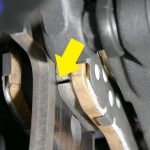
Separate the pad's physical dimensions from the amount of usable lining. Bendix distinguishes identification measurements from measurements of wear. Its identification guidance considers pad shape and dimensions, with attention to attached features. If comparing old and new parts, account for the fact that a worn pad is thinner than a new one. Do not reject a correct new pad because its fresh friction material is thicker, and do not accept a wrong one solely because two backing plates have a similar outline.
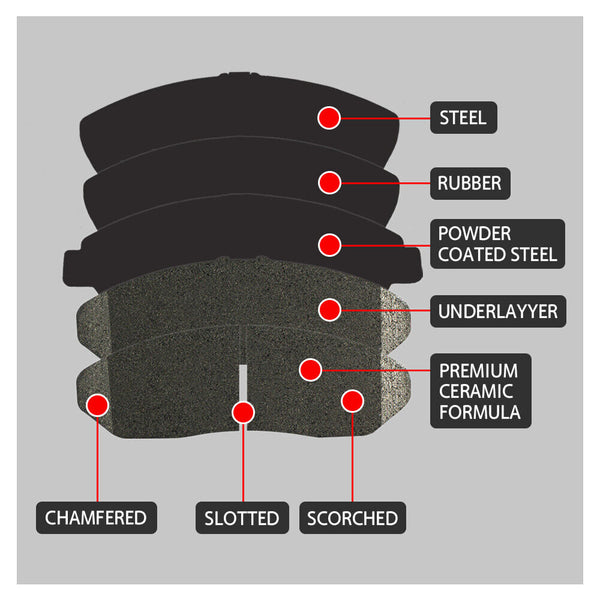
Compare the listed accessories and sensor arrangement as carefully as the outline. For example, the Brembo P85181N specification identifies it as a directional front pad, prepared for a wear indicator, with a piston clip and anti-squeal shim. This is an illustration of the information a listing can contain, not a recommendation for an unspecified car. Check whether an external wear sensor, fasteners or other required items are supplied in the box or ordered separately. Prepared for an indicator should not be read as proof that the needed sensor is included.
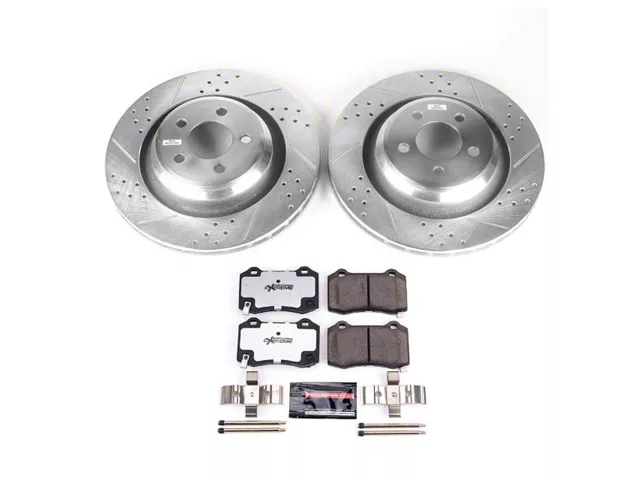
A kit listing also needs a quantity check. Confirm which axle it serves, how many pads and accessories it contains, and whether its contents match the planned work. Do not assume that a box described as a set covers all four wheels. Equally, a photo showing one pad may only be an illustration rather than the complete contents. Ask the seller to resolve inconsistent images and descriptions in writing. Keep the order confirmation so a packing error can be distinguished from an application-selection error when the parts arrive.
Inspect the package before installation. Compare its exact part number with the order and catalog, including suffixes that identify a different product. Check for damaged contents or signs that parts from another set have been substituted. Brembo describes product-specific anti-counterfeit checks for its aftermarket and performance ranges. Use the maker's current verification route where provided. Authenticity and fitment are different checks: a genuine part can still be wrong for your car, and a convincing-looking label does not resolve a disputed application.
The installer should compare the supplied parts with the required configuration before committing to the repair. Stop if a locating feature, sensor connection or intended pad position does not agree with the service information. The Brembo Greenance fitting instructions illustrate that pads must move correctly in their guides and that asymmetrical designs and hardware have defined installation requirements. Those instructions belong to that product; the fitted pad and vehicle instructions govern your job. Hammering a pad into place or removing material to disguise a mismatch is not fitment verification.
Choosing a material or performance label comes after establishing compatibility. Ceramic, semi-metallic and other descriptions do not identify a universal pad shape or approve use with every rotor and caliper. Within the compatible choices, discuss the documented application and your actual use with the supplier or installer. Do not buy a racing-oriented product merely because its name sounds stronger, or claim a stopping-distance improvement without relevant evidence. The right comparison concerns the specified vehicle, product instructions and intended duty, not a blanket ranking of marketing terms.
Credit: www.americanmuscle.com
Resolve uncertainty before buying or fitting the pads
A useful supplier message includes the VIN or build details, axle, brake-option code if relevant, any modifications, and the exact candidate part number. State the unresolved issue: for example, two catalog entries differ by brake package and you cannot confirm which is installed. Ask what information or inspection will settle that difference. Do not publish your VIN or service paperwork in a public comment just to obtain a guess. Provide identifying information through the supplier's appropriate channel and retain the resulting application confirmation with your maintenance record.
If the vehicle is already dismantled and the pads do not match, keep it safely out of service until the discrepancy is resolved. A delay to obtain the right part is preferable to improvising a fit.
Finally, separate the question of what fits from the question of what needs replacement. Have the actual condition assessed; our pad thickness guide explains useful inspection evidence. If wear is markedly uneven, investigate the underlying wear pattern so a correct new set does not inherit the same problem. Keep the installed part number, axle, date and distance on the final invoice. That record makes the next search more precise while still leaving room to verify current catalog changes and any subsequent modifications.


Automotive reference information. Confirm specifications in the manual for your exact vehicle. Original replacement guides link to their research sources. About us