
Duralast can be a suitable replacement choice when the exact set matches the vehicle and its use. A brand-wide good or bad verdict is less useful than checking the part number, friction specification, supplied hardware and installation condition. We have not performed comparative stopping-distance tests on these pads.
A favorable review from another vehicle is not proof that the same range is the best choice for yours. Brake package, rotor condition and installation can change the result.
Compare product ranges before comparing prices
AutoZone’s Duralast brake comparison describes different product ranges with different noise, dust, hardware and warranty features. Those are manufacturer claims, not independent test results established by this guide. Confirm the features of the actual part offered for your vehicle.
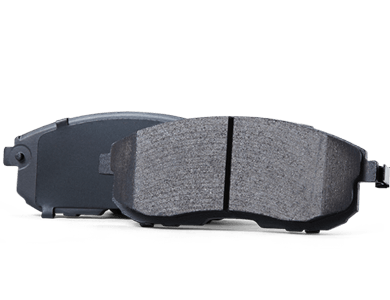
Credit: www.duralastparts.com
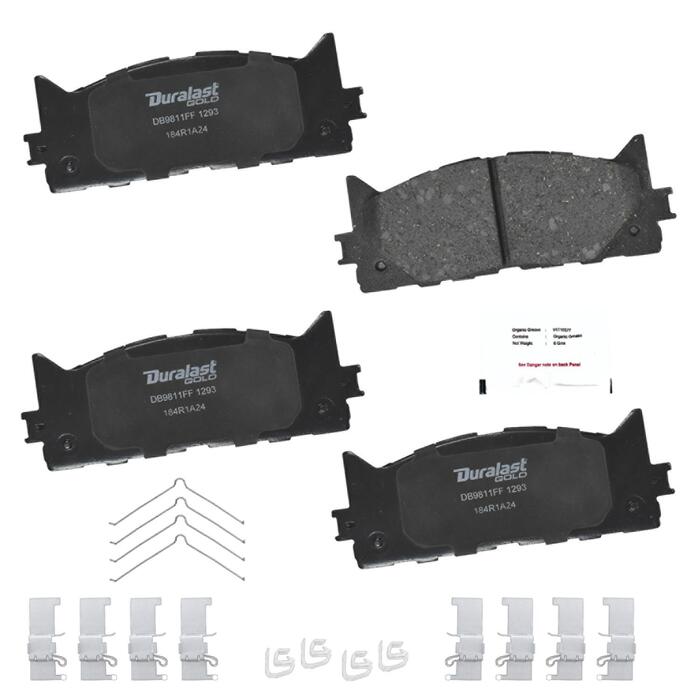
Do not pay for a range name without checking what the box contains. A listing should identify the application and any hardware or wear-sensor requirements. A higher price may buy a different specification or package, not a guaranteed improvement in every braking condition.
Fitment is the first pass-or-fail test
Use the vehicle’s year, model, engine and brake package to select the part. Confirm the axle and any rotor-size or caliper distinction in the catalog. Matching the outline of the old pad is not enough to establish all requirements.
If the supplier lists more than one option, resolve the distinction before purchase. Ask for the exact part number on the estimate so the shop cannot unintentionally substitute a different range while keeping the same general description.
Separate product complaints from system faults
Noise after a pad replacement does not automatically prove a poor pad formulation. Hardware fit, rotor condition, contamination and caliper movement can matter. Conversely, a long warranty should not be used to dismiss a genuine fitment or quality problem.
Ask for inspection evidence when wear is markedly uneven. Replacing the same set repeatedly without identifying a dragging caliper or a seized support is not a useful assessment of pad quality.
Judge value by the whole repair
Compare the installed price with equivalent scope: pads for one axle, required hardware, rotor work and labor. Ask how a post-service concern will be handled. A low parts price is not a saving if essential diagnosis or installation work is omitted.
For everyday service, prioritise the correct application over an upgrade label. For towing or unusual use, obtain a product-specific recommendation rather than assuming any pad sold for the vehicle is designed for every duty cycle.
Credit: www.autozone.com
Keep a record that makes a later complaint useful
Retain the invoice, part number, installation mileage and any initial pad measurements. If a problem develops, record the affected wheel, circumstances and symptoms rather than writing only that the brakes are bad.
For the limits of coverage, read AutoZone brake-pad warranty checks. For a material choice, compare ceramic and metallic applications. Neither a brand name nor a warranty replaces a correct fit and a sound brake system.


Automotive reference information. Confirm specifications in the manual for your exact vehicle. Original replacement guides link to their research sources. About us


