
Do not assume an AutoZone store will take old brake pads for general recycling. First clarify whether you are seeking a warranty assessment, returning an unused purchase or simply disposing of worn parts. These are different transactions, and acceptance for one does not establish acceptance for the others.
The public policies reviewed do not establish a nationwide old-brake-pad recycling service. Contact the specific store before taking in used parts, and describe what you have rather than asking only whether it “takes brakes.”
An unused return is different from a worn-out part
AutoZone’s published return terms describe returns of items in original condition and packaging with a receipt within the stated period, as well as defective-item returns during a warranty period. They also say refund requests may be denied for used or installed items.

Credit: www.buybrakes.com
That means a box of pads removed after use is not equivalent to a new set purchased in error. Retain your receipt and identify the brand and part number so the store can determine which policy applies. Do not present used pads as an unused return.
A warranty must match the actual purchase
If you believe a pad failed, ask for assessment under the terms that apply to that product and transaction. A phrase such as limited lifetime warranty does not by itself explain coverage for ordinary friction wear, labor, rotor damage or other costs.
Bring the information requested by the store and describe the symptom accurately. Online accounts of another customer receiving an exchange are not a substitute for the applicable written terms. Do not assume a warranty on one product line covers pads purchased elsewhere.

Credit: www.youtube.com
Recycling programs accept particular materials
A store accepting used oil or batteries has not necessarily agreed to accept pads, rotors or brake fluid. For example, the City of Albuquerque’s automotive recycling directory lists individual AutoZone locations for specified oil collection. That is local, material-specific information—not proof of a general brake-parts program.
Ask the receiving location explicitly about used friction pads and whether they must be separated from rotors or other parts. If the store cannot accept them, ask your municipal waste authority or a suitable recycling facility for the correct destination.
Keep disposal separate from a scrap-metal assumption
A brake pad contains friction material attached to a backing plate; it is not simply a clean piece of steel. Do not strip or grind the friction material off to make it look like acceptable scrap. Avoid creating dust and keep removed parts contained according to the receiving facility’s requirements.
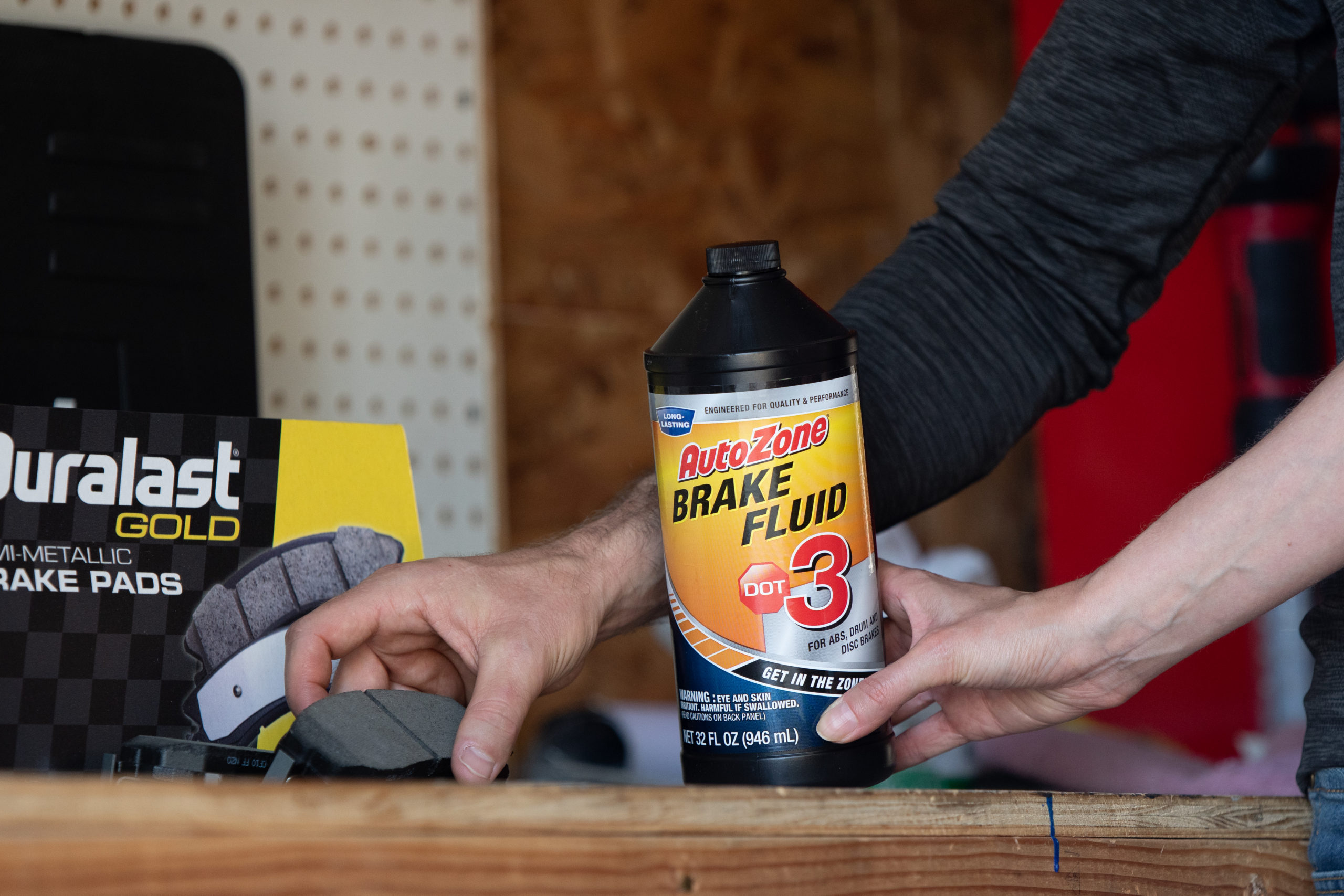
Credit: www.autozone.com
The brake-pad and rotor disposal guide explains why pads, rotors and fluids should be handled as separate waste questions. Local rules and the material condition determine the appropriate route.
A short call can prevent a wasted trip
Give the store the product brand, whether it was purchased there, whether you have a receipt, and whether your purpose is warranty review or disposal. Ask what documentation and packaging to bring and whether acceptance has any conditions.
If the answer is uncertain, request clarification before leaving parts at the counter or outside the store. Keep a record of the destination you ultimately use. The reliable answer is the policy that applies to your specific parts and purpose, not a blanket promise that every AutoZone takes every old pad.


Automotive reference information. Confirm specifications in the manual for your exact vehicle. Original replacement guides link to their research sources. About us


