
No. Some tie rod ends are designed for periodic lubrication through a grease fitting; others are sealed, non-serviceable assemblies. Identify the actual part and its instructions before attempting to add grease. The vehicle model alone may not tell you which aftermarket design is installed.
A serviceable joint needs the correct maintenance, but an absent fitting is not a defect by itself. Do not drill the housing or pierce the boot to convert a sealed part into a greaseable one.
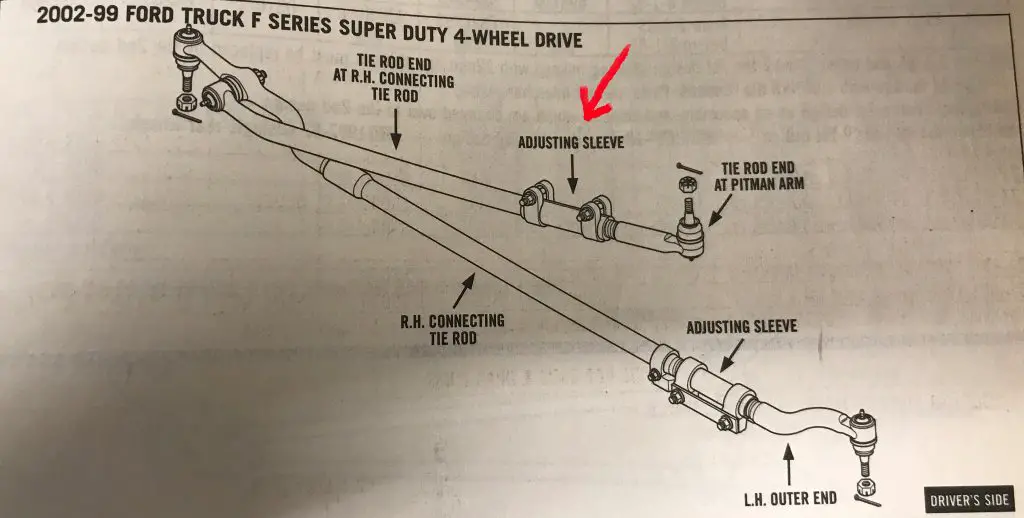
Identify the part rather than guessing from appearance
Credit: arkenforge.com
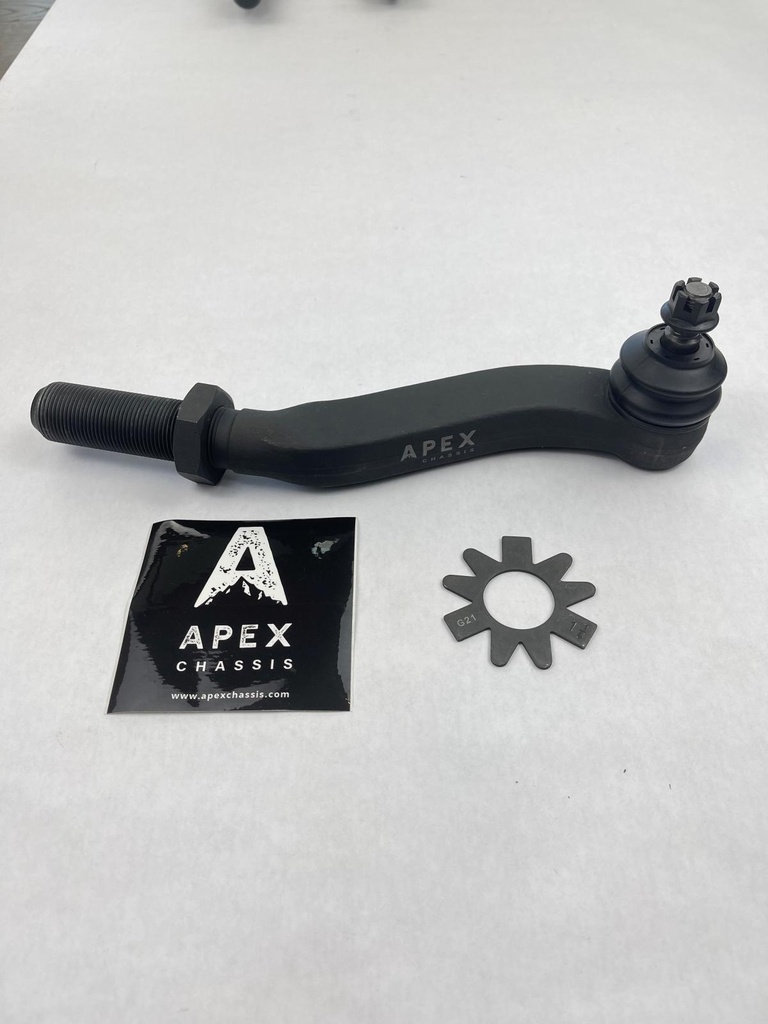
Look for a part number, installation instructions and a genuine lubrication fitting. A housing feature, threaded recess or screw is not automatically a grease port. If access or identification is uncertain, use the part manufacturer’s information or have the assembly checked.
Replacement parts for the same vehicle can have different service requirements. A previous owner or workshop may have installed a design unlike the original. Record what is actually fitted on each side instead of applying one remembered maintenance rule to both.
What the greaseable designation means
MOOG’s greaseable-design bulletin describes serviceable chassis parts, including tie rod ends, alongside non-serviceable original-equipment designs. The fitting provides an intended route for lubrication; it does not make the joint immune to wear or contamination.
For a serviceable part, confirm the specified lubricant and maintenance method. Follow the particular manufacturer’s guidance rather than copying a fixed number of grease-gun strokes. Gun output and the amount already present can vary, so a stroke count is not a universal measure of the correct fill.
A sealed joint has different maintenance expectations
A sealed design is intended to operate without routine grease injection. Its protective boot and sealing arrangement still need inspection. The absence of a service fitting does not justify ignoring a damaged boot, corrosion or steering symptoms.
If there is a problem, ask whether the part’s service instructions allow repair of the affected component or require replacement. Creating a new hole can introduce contamination and damage the protection the joint was designed to rely on.
Keep installation advice separate from later maintenance
A new serviceable part may have instructions for lubrication during installation as well as subsequent servicing. MOOG explains this distinction for its products in its steering and suspension lubrication guidance. That advice should not automatically be transferred to another manufacturer’s part.
For a new component, read the supplied directions before installation and retain the part number. The separate pre-greased tie rod guide addresses initial filling; this page concerns identifying whether the installed joint is designed for ongoing grease service.
Grease does not repair internal looseness
If the steering has play, a joint knocks or tire wear changes, the appropriate next step is an inspection. Fresh grease may alter a noise without restoring the bearing surfaces or confirming the safety of the connection. Do not use a quieter result as a diagnosis.
The inspection guide explains why movement needs to be localized. A damaged boot and internal clearance are separate findings, and each should be assessed against the applicable service requirements.
Credit: core4x4.com
Make the maintenance record specific
Record the manufacturer, part number, whether it is serviceable, the required lubricant and the maintenance instruction being followed. Include the inspection findings and any boot damage. This avoids repeating a generic chassis-lubrication routine on a part that does not support it.
If a shop services the vehicle, ask which joints were lubricated and whether any sealed components were inspected instead. A useful record distinguishes work actually performed from a broad line item such as “greased front end.”


Automotive reference information. Confirm specifications in the manual for your exact vehicle. Original replacement guides link to their research sources. About us


