
There is no universal, reliable way to clear every OBD2 code without diagnostic equipment. Disconnecting the battery or pulling a fuse is not a good general substitute: it can remove useful information, affect other vehicle settings and still leave some code categories retained.
If you do not own a reader, arrange access to a compatible one rather than treating a power interruption as a repair. First preserve the code report and address the cause.
Depending on the vehicle and fault, the warning and retained records may change after the controller verifies normal operation, but there is no universal waiting period or driving distance.
Separate the warning lamp from the code record
The dashboard lamp and the controller's stored records are related but are not identical. A lamp can be off while certain diagnostic information remains available.
A visible record can also have a status that does not mean the fault is presently occurring. Read the actual report before deciding that something needs erasing.
Without that report, you may be trying to remove a useful historical entry rather than addressing the current complaint.
Why the controller recorded a fault
A code reflects a detected condition under the controller's monitoring rules. Clearing changes the retained diagnostic state; it does not fix wiring, restore fuel delivery or repair a mechanical defect.
If the condition remains, monitoring can detect it again. The important task is to determine what caused the report and verify the repair, rather than choosing the quickest way to make the code list temporarily shorter.
Why preserving the first scan matters
The original report may include status and freeze-frame conditions that help explain an intermittent problem. Removing that information can make a later technician start with less evidence.
Save the full code numbers, the relevant module and the symptom timeline. If you cannot read the codes yourself, ask the technician or person lending a reader to provide a copy before any clearing is performed.
When clearing may be part of a legitimate procedure
A manufacturer diagnostic or repair-verification process may call for clearing at a defined stage. Follow that process after the initial evidence has been retained. Clearing merely because the lamp is inconvenient or an inspection is approaching is a different objective and does not establish a repaired or inspection-ready vehicle. The reason for the command should be clear before it is sent.
A temporary condition still needs identification
If the symptom has disappeared, the record may still help distinguish an isolated event from an intermittent fault. Do not assume temporary means harmless or that erasure is required immediately.
Check the warning instructions and obtain the report.
A description of when the event occurred can be more valuable than repeated attempts to reset a lamp whose cause has never been established.
Erasing a code is not a performance upgrade
A cleared screen does not independently improve combustion, restore a sensor or correct a mechanical problem. If performance changes after a power interruption, that observation still needs a vehicle-specific explanation.
It is not evidence that deleting diagnostic information is beneficial routine maintenance. Diagnose the complaint using the appropriate procedure rather than treating resets as a general tuning method.
Inspection readiness can move backward after clearing
California BAR’s OBD reference explains readiness and permanent-code considerations for its inspection program. Ordinary clearing can leave monitors incomplete, so a clean code list is not the same as a completed assessment.
Requirements differ by jurisdiction and vehicle.
Check the applicable inspection guidance rather than relying on a universal number of miles or a promised drive cycle copied from another car.
Why common power-cutting shortcuts are poor advice
Battery and fuse suggestions often omit the vehicle configuration, retained-code category and effects on other systems. They also encourage erasure before diagnosis. A method that appeared to remove a lamp on one vehicle does not prove it is suitable for another. This guide therefore does not provide a generic disconnect-and-wait or fuse-pulling sequence for clearing codes.
Do not disconnect the battery just to erase a warning
Battery work has its own manufacturer procedure and may affect settings or require subsequent checks. It should be done when the actual service task calls for it, not as a substitute for understanding a fault report. Some diagnostic information can also remain despite power loss, so the shortcut may sacrifice useful data without meeting the intended goal.
Do not pull an unidentified control-module fuse
A fuse chart is not a code-clear menu. Removing power from a controller can interrupt functions and create additional diagnostic events. Do not experiment with several fuses to see which one turns off a lamp. If a genuine electrical repair requires fuse removal, follow the exact vehicle instructions for that separate task.

Credit: mechanics.stackexchange.com
Use a repair-first decision sequence
Start by identifying the warning and any immediate safety concern. Obtain and save the diagnostic report. Use the appropriate tests to determine the cause, complete the required repair and then follow the specified verification process. Only include a clearing step if that process calls for it; the sequence should be driven by diagnosis rather than a desire to reset everything.
Respond to symptoms before reset attempts
A fuel leak, severe misfire, overheating indication or safety-system warning should be handled according to the vehicle's instructions. Do not continue operating the vehicle just to see whether the lamp extinguishes. If continued operation is inappropriate, arrange assistance. The lack of a personal scanner does not make repeated starting or driving a safe diagnostic substitute.
If battery work is genuinely required
Treat it as battery or electrical service, with the correct vehicle-specific procedure and preparation. Preserve diagnostic information beforehand when appropriate. Do not add an arbitrary waiting time from a code-clearing article or assume that a disconnected battery has erased every fault category. Verify the actual service result and any required follow-up separately.
After a power interruption, assess rather than assume
A warning disappearing after reconnection is an observation, not confirmation of repair. The underlying condition may recur when its monitor runs again. Record what happened and obtain a current scan if the complaint persists. Keep any new communication or warning issues separate from the original symptom so the diagnostic timeline remains understandable.
If you have no reader, obtain access to one
Borrow a compatible tool, arrange a workshop scan or use a properly documented phone adapter and app. Ask whether the tool covers the relevant controller. A basic emissions reader is not necessarily suitable for brake or airbag warnings, and a borrowed tool should still be used according to its instructions.
Ask for a read-only initial service
Explain that you want the complete report saved before clearing. Request code numbers, status and available context rather than only a verbal parts recommendation.
This can keep the initial appointment focused and preserve evidence for a later repair decision. Confirm whether the service includes diagnosis or only retrieval, because those are different levels of work.
Use supported commands when clearing is justified
The ELM327 technical documentation distinguishes vehicle diagnostic commands from adapter configuration. In practice, use a compatible tool's documented clearing function rather than improvised electrical actions.
Read its confirmation message and understand which controller or category it affects. A button labelled reset can also refer to an unrelated service function, so wording alone is insufficient.
Understand what may remain after a proper clear
Permanent codes are deliberately not removed by ordinary scan-tool erasure or battery disconnection; the vehicle's monitoring must establish the required conditions for their removal. That does not automatically mean the repair failed. It does mean the result must be interpreted with current faults and monitoring status instead of repeatedly attempting the same erase operation.
Do not promise an exact clearing mileage
Vehicle monitors depend on operating conditions and their own enabling criteria. A distance quoted for another vehicle may be irrelevant. Follow the identified vehicle's procedure and local inspection guidance, and do not perform unsafe or improvised driving manoeuvres in pursuit of a universal reset recipe.
Keep reports outside the vehicle
Store the initial and follow-up results as separate files or photographs with dates. A future reset should not erase your only history of an intermittent complaint. The guide to what remains after clearing codes explains why a saved report is different from expecting a reader to recover an erased controller record.
Reduce repeat warnings by addressing causes
Follow the vehicle's maintenance requirements and investigate recurring symptoms with appropriate tests. Maintenance does not mean repeatedly wiping diagnostic memory. If a warning returns after a repair, compare the new report with the original and confirm whether it is the same condition, a different status or a separate issue introduced during the work.
Use the correct information for your vehicle
GMC’s information portal is one example of a manufacturer separating owner guidance from diagnostic service information. Use the equivalent source for your vehicle.
The owner's manual explains warning responses and normal operation; detailed diagnosis may need separate service procedures.
Neither should be replaced by a generic battery-disconnection trick.
Watch the pattern without inventing the explanation
Record whether the lamp is steady or flashing and when the symptom occurs. Note recent repairs without assuming they caused the fault.
Keep a concise timeline.
Stop operating the vehicle when its instructions or symptoms require it.
These observations give a technician useful evidence while avoiding the false certainty that a warning which temporarily vanished must have been harmless.
Credit: www.endurancewarranty.com
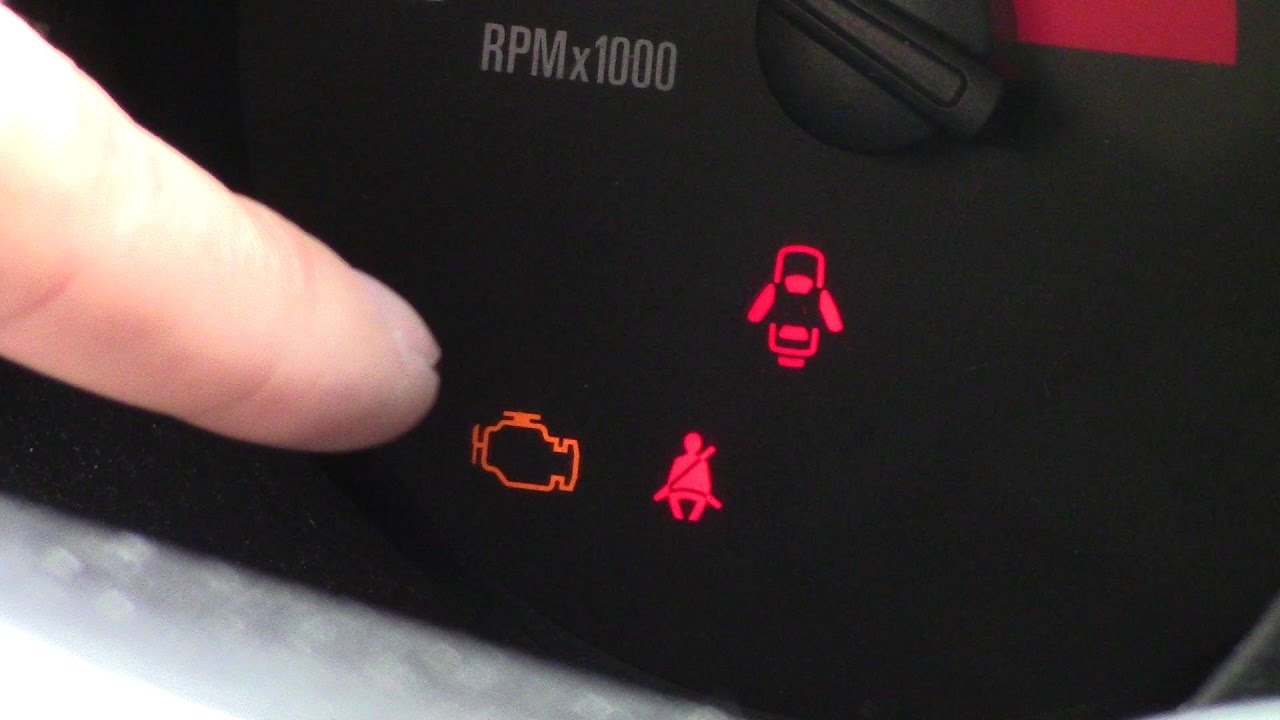
Credit: www.youtube.com
The safer answer is access, diagnosis and verification
Without a scanner, arrange a supported read and preserve its result rather than cutting power to force a change. Repair the confirmed cause and follow the vehicle's verification procedure, including clearing only when appropriate.
A warning lamp turning off is one observation; a defensible repair conclusion requires the relevant checks and an honest account of what remains unresolved.


Automotive reference information. Confirm specifications in the manual for your exact vehicle. Original replacement guides link to their research sources. About us


