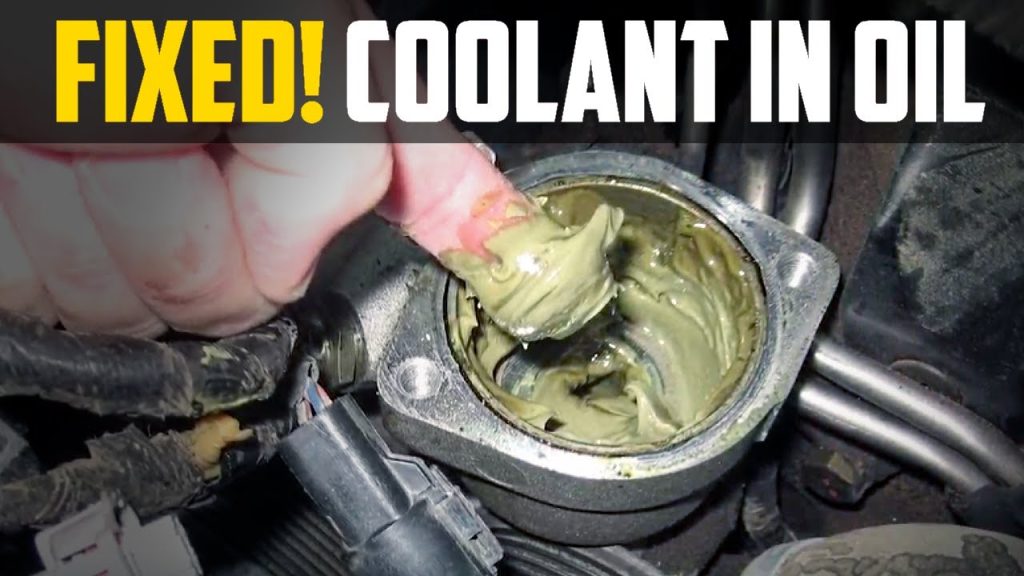

The repair for engine oil mixing with coolant depends on the path between the two circuits. Diagnose that path, repair the failed component, address contamination and verify the result. A head gasket is one possibility; it is not the automatic answer to an oily reservoir. Do not continue operating an engine with confirmed fluid cross-contamination or serious overheating while trying successive additives. Arrange an appropriate workshop assessment.
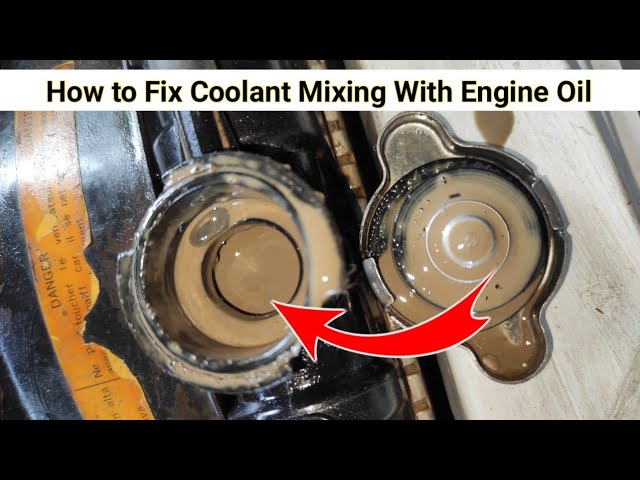
Begin with a precise description: oil in the coolant reservoir, suspected coolant in drained engine oil, or both. Note who identified the substance and how. These observations are related but not interchangeable. A photograph of brown residue can justify investigation without proving the material's identity, its source or how long it has been present.
If the engine overheats, shows an oil-pressure warning, loses coolant rapidly or runs severely abnormally, stop safely and follow the vehicle's warning instructions. Never open a hot pressurized cooling system. Our oil-warning guide explains why the exact warning matters; a routine service reminder is different from an operating-pressure concern.
Credit: www.reddit.com
Locate the connection between the two fluids
The engine's oil and coolant normally serve separate circuits. A repair investigation looks for an unintended connection, including a heat exchanger or an engine sealing/casting fault where applicable. Fel-Pro explains why gasket coolant openings follow an application-specific layout. Obtain the exact engine identification and relevant service information before applying a general list of causes to the vehicle.
A coolant-cooled oil heat exchanger
MAHLE distinguishes air-cooled and coolant-cooled oil coolers. A coolant-cooled unit transfers heat while keeping the fluids separated; internal leakage can contaminate coolant. Ask whether the vehicle actually has that type of exchanger and what evidence shows it leaks. The words oil cooler on a parts list do not identify its design or prove that replacement is necessary.
An engine gasket or casting fault
Fel-Pro describes overlapping symptoms of head-gasket failure and a cracked head. Finding the true defect can require inspection beyond the initial fluid check. If engine work is recommended, ask what has been established, what remains uncertain and which further inspection would distinguish the alternatives. Avoid interpreting several compatible symptoms as several independent proofs of the same part failure.
A manufacturer example of diagnosis before replacement
GM bulletin 22-NA-240, revised January 2024, addresses oil-contaminated coolant on specified applications. It calls for identifying the source and testing the oil-cooler system where equipped before following its engine-related repair direction. The lesson is the diagnostic sequence, not that every affected-looking vehicle needs an engine. Match all application information; do not transfer its remedy to unrelated vehicles.
Separate observations from conclusions
Keep a record of where the material was seen, whether the engine was cold, and whether fluids were recently changed or added. Preserve photographs from before cleanup. Ask the workshop what observation supports the word contaminated and whether the contaminant has been identified rather than inferred only from appearance.
Oil in the reservoir is a starting finding
Describe the reservoir contents without promising a diagnosis: an oily film, sludge or unusual residue. Include any recent cooling-system repair or accidental fill. Those facts help distinguish possible routes. Do not introduce cleaning chemicals before the shop has assessed the condition and established the correct repair and cleanup requirements.
An unusual oil reading needs context
Report a changing oil level together with the checking conditions and recent additions. Level alone does not identify coolant contamination. For a repeatable reading, follow the vehicle's specified method; our oil-level checking guide explains why temperature and waiting instructions must match the application.
Rough running belongs in the same record
Report overheating, misfire, smoke and warnings as observations with dates. Do not assume that every one has the same cause. Coolant found near a plug can also require a location-specific investigation; see coolant in a spark-plug well versus inside a cylinder. That distinction prevents an external puddle from becoming an unsupported internal-leak diagnosis.
What the tests should establish
A useful diagnostic plan names a question before a test: identify the fluid, find an external loss, check a suspected exchanger, or investigate an internal engine path. Ask how the result changes the next step. For laboratory terminology discussed below, Blackstone explains its oil-report measurements. This makes a staged diagnosis reviewable without expecting an owner to select equipment or prescribe pressures.
Inspection of the actual installed system
Inspect the installed components and identify which fluid circuits actually meet within them. Keep recent repairs, external leaks and possible accidental filling in the history. A location confirmed on the vehicle is stronger evidence than a generic list of common failures.Leak testing under the correct conditions
Leak testing requires the correct procedure and limits for the circuit being tested. Do not apply compressed air or an improvised pressure figure from another engine. Ask for the finding and its relevance, including what the test could not exclude.Analysis of an oil sample
A laboratory report can support identification of coolant contamination in engine oil. Blackstone explains that its reports include antifreeze results and elemental clues such as potassium and sodium, with sodium also having other possible sources. Let the laboratory interpret the actual sample and oil information; one element does not locate a failed gasket.If engine sealing work is justified
The repair scope should follow the confirmed defect and inspection findings. A gasket replacement, cylinder-head repair and replacement engine are materially different proposals. Fel-Pro surface-preparation guidance and its head-bolt guidance illustrate requirements beyond buying a gasket. Ask for separate explanations of the failed part, inspection findings and items that must be renewed. Do not approve every possible repair because one remains plausible.
A head-gasket repair involves the sealing surfaces and assembly requirements as well as the new gasket. The quotation should identify the inspection required before reassembly. A replacement part cannot compensate for every possible defect in the adjoining components.Gasket choice and sealing-surface condition
Fel-Pro explains that the required surface finish depends on the gasket and application. Flatness and finish need appropriate assessment. Do not hand-sand an engine surface according to a generic online roughness target or assume a visibly clean surface meets the specification.Inspection before deciding what can be reused
A head that appears reusable still needs the inspection the repair calls for. Ask whether specialist testing or machining is included and how a finding outside the permitted limits changes the quotation. Keep the decision about reuse separate from the cost of the gasket set.Fasteners and assembly specifications
Fel-Pro cautions against reusing stretched torque-to-yield head bolts and emphasizes the proper tightening procedure. Follow the exact engine instructions for fasteners, sequence and preparation. This article intentionally supplies no universal torque value or assembly sequence.Assess major repairs without guessing from sludge
An expensive quotation should still have an understandable evidence trail. Ask which tests were completed, which component failed and whether photographs or measurements are available. If the recommendation depends on a casting defect, distinguish a confirmed location from a suspected cause. A second professional opinion is most useful when it can review the original findings and inspect the vehicle.
Repairability is an application-specific judgment
Do not treat welding, chemical sealers or a replacement engine as interchangeable fixes. Whether a casting can be repaired depends on its material, defect location, condition and approved repair options. An engine specialist should define both feasibility and verification. A generic article cannot establish a safe crack-repair method from the presence of oil in coolant.
Compare quotations with the same scope
Check whether each quotation includes diagnosis, parts, machining or specialist work, replacement fluids, contamination cleanup and final checks. Ask which items are conditional on disassembly and how additional work will be authorized. A lower headline price may describe less work; compare the actual scope before interpreting the price difference.
Separate the cause from damage found afterward
If overheating occurred, the shop should explain whether it caused the leak, resulted from it or remains unexplained. The answer can affect what else needs investigation. Replacing the visibly failed part without addressing an established contributing fault may leave a reason for recurrence. Where the sequence is uncertain, keep that uncertainty explicit.
Credit: www.youtube.com
If an oil cooler is the confirmed source
Ask the report to identify the actual exchanger and the test that condemned it. Replacement should match the engine and installation, including any required seals or associated components. A photographed oily exterior is not the same finding as a verified internal fluid crossover. The parts decision should correspond to the diagnosed mode of failure.
Match the replacement to the installation
Use the current parts information for the exact vehicle and engine rather than dimensions alone. Confirm whether the quotation is for a cooler core, a housing assembly or another combined unit. Similar product names can hide different repair scopes; the workshop should be able to explain what is being changed and why.
Tell the supplier or technician about previous modifications or repairs that affect the oil-filter housing, cooling circuit or radiator. A vehicle record helps only when it corresponds to the equipment actually fitted. Preserve old part identification where available, while allowing current application information to determine the approved replacement.
Plan cleanup as part of the repair
Stopping the leak does not remove contamination already present. Ask which circuits were affected and what the vehicle procedure requires for each. An engine-oil service and cooling-system decontamination are different operations. The proposal should explain the cleanup method, compatible products and components that need assessment rather than listing an unspecified flush.
Do not pour household detergent or a universal stop-leak product into the vehicle as an experiment. Ford warns against unspecified cooling-system additives and requires coolant meeting the correct specification. A product that appears in a different engine's bulletin is not automatic permission to use it here.
Confirm how contaminated liquid will be collected and handled. Keep it identified as an oil/coolant mixture rather than adding it to a known clean used-oil container. EPA collection guidance identifies antifreeze as a possible used-oil contaminant. The receiving facility needs a truthful description of the mixture before accepting it.
Verify the repair and the cleanup separately
Ask what result demonstrates that the leak has stopped and what result demonstrates that the cleanup is satisfactory. A clean-looking reservoir immediately after service addresses appearance at that moment. The workshop's application-specific checks should address the repaired circuit and any relevant operating symptoms as well.
Agree on any follow-up before collecting the vehicle. Find out which levels or symptoms to observe, when to recheck them and what should trigger immediate contact. Keep that instruction tied to the actual repair. Do not invent a universal number of flushes or a driving distance after which every system must look identical.
If residue reappears, report when and where it appeared and whether the level or symptoms changed. Ask the workshop to distinguish remaining contamination from renewed leakage. Neither explanation should be assumed without evaluation. Repeatedly replacing coolant can hide the timeline while leaving the underlying question unanswered.
Keep the invoice, test results, fluid specifications and repair date together. If a later concern develops, this record distinguishes a new symptom from one present before the work. It also helps a second workshop avoid repeating a test without knowing how the earlier one was performed.
A useful maintenance plan after the repair
Use the vehicle's actual service requirements once the fault is resolved. Regular observations can reveal a change; they cannot guarantee that a seal or casting will never fail. The goal is a reliable record and a prompt response to new evidence, not a promise that maintenance alone prevents every contamination event.
After repair, establish a new dated baseline for the relevant fluid observations and retain the workshop instructions. A record made under consistent checking conditions helps identify a future change without turning ordinary measurement variation into another diagnosis.Record comparable fluid observations
Photographs can document the visible condition of a cool reservoir without opening a hot pressure cap. Record the specified level condition and any additions. If the level changes repeatedly, contact the workshop instead of assuming that every decrease is normal settling.Use the required coolant and service method
The correct coolant is identified by the applicable specification, not color alone. Follow the maintenance procedure for the vehicle, including any special filling or bleeding requirements. Do not copy a different engine’s flush instructions because its coolant looks similar.Keep oil checks separate from leak diagnosis
Use the required engine oil and the specified checking method. Log substantial changes or warnings with the mileage and conditions. When more than one fluid behaves abnormally, present the observations together while keeping the measured facts separate from the suspected explanation.
Credit: www.dubizzle.com
The repair decision in practical terms
A sound plan explains four things: the identified contaminant, the demonstrated route between circuits, the repair required for that defect and the cleanup/verification that follows. If one is missing, clarify it before treating the job as complete. Those questions remain useful whether the final repair is relatively contained or requires major engine work.
Keep the vehicle out of service when contamination or serious operating symptoms make continued running inappropriate, and use a qualified workshop to establish the cause. Correcting the fluid level alone does not close a leak. A clear diagnosis and documented result are more valuable than an additive chosen because the reservoir resembles an online photograph.


Automotive reference information. Confirm specifications in the manual for your exact vehicle. Original replacement guides link to their research sources. About us