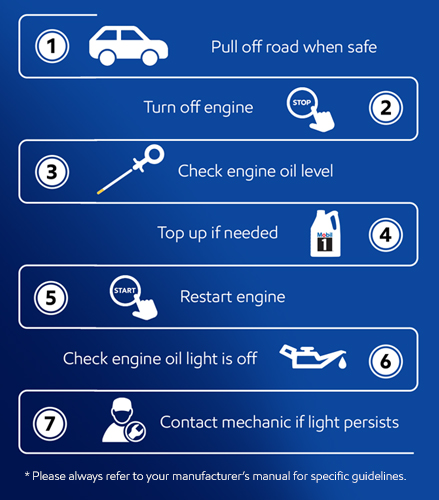

If an engine-oil-pressure warning appears while the engine is running, stop as soon as it is safe and switch the engine off. Do not continue to a distant shop simply because the car still seems normal. Once safely stopped, identify the exact message and follow the owner's manual for your model. An oil-change reminder, a low-level message and a low-pressure warning are different instructions, even when people casually call all three an oil light.
The 2025 Ford E-Series manual explicitly says not to continue a journey with its oil-pressure warning, even if the oil level is correct. That distinction matters: a dipstick reading cannot establish that the lubrication system has adequate pressure. This guide helps organize the immediate decision, not diagnose a pump, sensor or internal engine fault from a dashboard symbol.
Keep your attention on controlling the vehicle while moving. Do not search for a manual, photograph the dashboard or lean toward the display while driving. After reaching safety, record the warning wording and whether it appeared with the engine running or only during the ignition/start sequence. Those facts are more useful than the vague report that a red light flashed.
Credit: www.countryroadauto.com
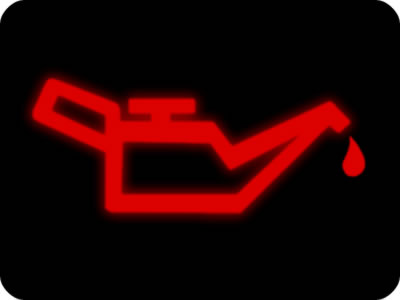
First separate a pressure warning from other oil messages
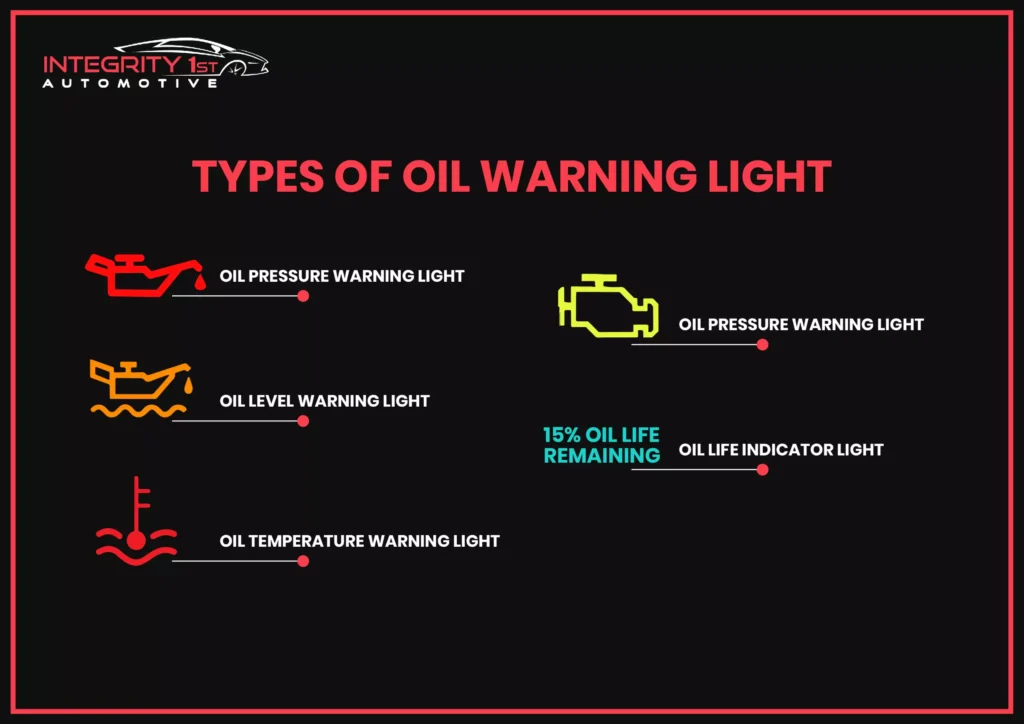
Volkswagen's US warning-light reference distinguishes a red low-oil-pressure stop warning from amber oil-level warnings. Use that as an example of why the exact symbol and message matter. Do not assume every manufacturer uses identical colors or that an amber message always grants permission to keep driving.
A stop-engine instruction takes priority
Follow an explicit stop-engine or do-not-drive message. Choose a safe stopping place with regard to traffic and road conditions, then seek help. If the vehicle is stranded in an unsafe position, contact the appropriate emergency or roadside service before trying an under-hood check.
A service reminder has a different purpose
Ford's explanation of oil-life messages separates change-oil reminders from a low-level message. A maintenance reminder calls for the prescribed service; it is not itself a measured oil quantity. Never reset a reminder merely to hide it, and never assume a pressure warning can be dismissed by the same reset procedure.

Credit: girlingtongarage.com
What an oil-level check can establish
A correct level check can help identify a low or excessive amount relative to the engine's specified range. It cannot prove that an active pressure warning is harmless. Treat it as one piece of evidence within the manufacturer's warning procedure, not a complete roadside diagnosis.
Find the correct procedure before opening anything
Use the manual's engine-compartment diagram to identify the engine-oil dipstick or electronic level function. Do not select a reservoir by cap color alone. Different model years and engines may use different layouts, and some vehicles do not have an owner-accessible oil dipstick.
Read the required engine state, waiting period and safety notes. An ordinary maintenance check and the response to an active pressure warning may not begin the same way. Do not run a potentially unlubricated engine just to satisfy a routine warm-engine measurement instruction.
Record the result without guessing a missing quantity
If the manual permits a dipstick check in the circumstances, follow its clean, fully seated measurement procedure. Our guide to confirming a low oil level explains how to distinguish a reading from assumptions based on noise or appearance.
If the result is unclear, report it as unclear. Do not choose the most reassuring smear on the stick or repeatedly add oil until the warning changes. A measurement that cannot be read reliably is a reason to get help, not an invitation to estimate by feel.
If the level is low and the manufacturer directs a top-up, use the specified oil and follow its amount and recheck instructions. If the oil is unavailable or the filling point cannot be identified confidently, arrange assistance instead of pouring another automotive fluid into the engine.
A normal level should be described exactly that way: the level appeared within the prescribed range using the stated procedure. Do not turn it into the unsupported conclusion that the pressure sensor must have failed. The workshop still needs to investigate the warning.
An electronic reading may also have operating conditions or a delay before updating. Record the exact display state, including unavailable readings. Do not drive a vehicle with an active pressure warning merely to make a routine level display refresh.
Observe what is accessible without attempting a roadside repair
If it is safe to do so, note a visible fluid trail, fresh wetness or a puddle where the vehicle stopped. Those observations can help the workshop. They do not identify the fluid, leak source or required repair on their own.
Keep observations factual
From a safe position, describe what can actually be seen: fluid beneath the front of the vehicle, wetness around an accessible area, or no visible leak. Avoid naming a failed seal or filter from a distant glance. A photograph can be useful after stopping, provided taking it does not require approaching traffic, touching hot parts or reaching into machinery.Avoid crawling under an unsafe vehicle
Do not crawl beneath a vehicle stopped at the roadside or supported only by a jack to search for oil. Do not tighten unfamiliar components or remove covers while waiting for help. Tell the recovery operator about any visible spill, and follow their directions for safe access. The lack of a puddle does not resolve the pressure warning.Adding oil is conditional, not an automatic cure
Do not add oil solely because an oil-related light appeared. The right action depends on which warning it is, a valid level reading and the manual. An engine already at the correct level does not become safer by filling it beyond its allowed range.
Use the required specification
If a top-up is appropriate, compare the container with the engine's required viscosity and specification. Choosing the right engine oil is a separate task from deciding whether it is safe to restart. A suitable bottle cannot resolve every cause of low pressure.
Follow the stated filling and checking sequence
Let the instructions for the vehicle determine the amount and the wait before checking again. Keep the original bottle available so you can report what was used. Do not pour the full published service capacity into an engine that already contains oil.
Avoid spilling oil on hot parts and stay clear of moving components. If reaching the filler requires unsafe access, stop the attempt. Roadside assistance can resolve a location or access problem that cannot be fixed by reading another topping-up article.
After any authorized top-up, document the approximate quantity and whether a reliable recheck was possible. Replace the cap and dipstick as directed. Do not leave tools, cloths or the oil bottle in the engine compartment before any later movement.
If you discover that the wrong product was added, include that in the request for help. Do not conceal it or attempt to balance it with a second fluid. The exact product and operating history can materially change the workshop's next step.
Do not use a restart as a universal test
The 2025 Honda Civic Hatchback Hybrid warning procedure includes a carefully specified check after stopping, waiting and correcting the level if needed, followed by a limited restart assessment. That model-specific sequence is not permission to repeatedly restart an unidentified vehicle with a pressure warning. Read the entire applicable instruction.
Restart guidance must be read in context. A manufacturer may define a limited check for one model, while another manual explicitly prohibits continuing the journey despite a correct level. The important task is to identify the applicable rule, not combine fragments from both into a new procedure. If that cannot be established, keep the engine off and obtain assistance.Apply only the restart rule for your vehicle
For the Civic Hatchback Hybrid procedure cited above, Honda specifies shutting down again and contacting a dealer if the pressure warning does not disappear within ten seconds of the instructed check. This limited condition belongs to that vehicle and sequence. It is not a general ten-second allowance for running any engine without confirmed oil pressure.A quiet engine is not a pressure measurement
Do not keep the engine running to listen for damage or rev it to see whether the light goes out. Report any noise that occurred before shutdown, but do not reproduce it for a recording. A warning that disappears during an improvised test is not a diagnosis, and the absence of unusual sound cannot replace the manufacturer response.Make the call for assistance useful
Tell the assistance provider that the issue concerns engine oil pressure if that is what the display says. Provide your location and whether you can wait safely. Give the year, model, engine if known and the exact warning rather than asking only for an oil change.
A useful call separates location, symptoms and actions. First explain where the vehicle is and whether people are safe. Then give the displayed message and when it appeared. Finally list any checks or additions already made. If you do not know an answer, say that rather than offering a guess that might be mistaken for a measured result.Describe the sequence, not a guessed diagnosis
For example: the warning appeared while driving, the engine was switched off at a safe stop, the dipstick reading was within range after the manual-directed wait, and no oil was added. This is a hypothetical reporting format, not a diagnosis. Adapt it to the real facts, including an unreadable level, visible leak or recent service when relevant.Ask what must happen before the vehicle moves
Ask whether recovery is needed and tell the operator if the vehicle is hybrid, all-wheel drive or has any special towing instructions. Let the appropriate manual and recovery professional determine the method. When authorizing workshop work, distinguish the cost of diagnosis from a proposed repair and ask how they will confirm that the original warning has been addressed.After the cause is investigated
Ask for a written account of the findings, the correction and any follow-up checks. If someone proposes replacing a part, ask what observation or test supports that repair. This is a practical way to understand the work without asserting that every oil-pressure warning has the same cause.
Keep level checks separate from pressure diagnosis
A consistent checking routine can make a new level change easier to notice. It cannot guarantee that no lubrication-system fault will occur. Record top-ups and recurring observations, and seek inspection when the pattern changes instead of continually treating additional oil as the complete solution.
Keep the maintenance record accurate
If an oil and filter change forms part of the repair, record it as an actual service. If only a top-up occurred, keep that separate. Our time-and-mileage service guide explains the scheduling question without confusing it with an immediate warning.
Credit: www.integrity1auto.com
The next action should match the exact warning
For a running-engine pressure warning, the first decision is a safe stop and shutdown, followed by the manufacturer's directions and assistance. For a level message, use the specific level-check and top-up instructions. For a service reminder, arrange the prescribed maintenance. None of these can be reliably identified by the word oil alone.
Do not accept a promised safe number of remaining miles based only on a dashboard description. Resolve the warning, record what happened and obtain application-specific direction before continuing. This article summarizes manufacturer guidance and practical communication steps; it does not certify a vehicle as safe to drive.


Automotive reference information. Confirm specifications in the manual for your exact vehicle. Original replacement guides link to their research sources. About us