

Many vehicles need an engine-oil change at least every year, even when they cover very few miles. But one year is not a universal expiry date for oil in every engine. The correct deadline comes from your vehicle's maintenance schedule, any applicable operating-condition rules, and its oil-life monitor instructions. Follow the first applicable limit reached. A car can need service before twelve months; another may have a specifically documented longer limit. Start with the exact model, model year, engine and market rather than a rule borrowed from another car.
Before making an appointment, find the last oil-change invoice and note its date and odometer reading. Then find the engine-oil and filter entry in the manufacturer's schedule. Record both its mileage limit and its calendar limit, if given. Look separately for instructions about the oil-life display and special operating conditions. This gives you a service decision you can explain: the oil is due because a particular requirement has been reached, rather than because the bottle says synthetic or an internet discussion favors a certain interval.
This guide concerns oil already in a vehicle. A sealed bottle in a garage has a different storage question, covered in our guide to motor-oil shelf life. Also keep the servicing question separate from choosing the replacement lubricant: checking the correct engine-oil specification comes before buying it. Neither a premium brand nor a more expensive viscosity grade creates permission to ignore the vehicle's maintenance instructions. The examples below are documented cases, not a substitute schedule for an unidentified engine.
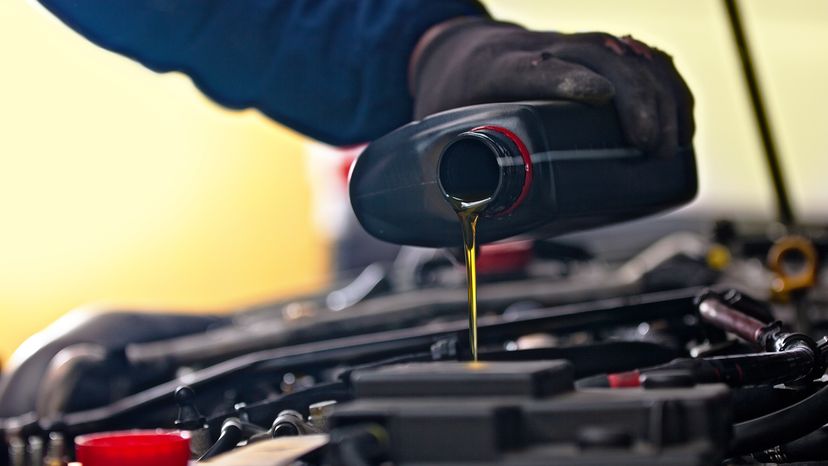
Credit: auto.howstuffworks.com
How to reconcile time, mileage and an oil-life display
Read the annual rule even if the monitor still shows oil life. In the 2025 Honda Accord Maintenance Minder instructions, Honda specifies an annual engine-oil change if more than twelve months pass after the display was reset without a maintenance message. That matters for someone who drives infrequently and expects the dashboard alone to handle every deadline. The rule belongs to that manual; do not assume all Honda models, generations or markets use identical instructions. Write down when the actual oil change took place as well as when the display was reset. A display reset without a service does not create new oil. If those dates disagree, establish the service history before trusting the indicated percentage. An invoice, workshop record or dated DIY log is more useful than guessing from how recently the dashboard appeared to show one hundred percent.
A maintenance visit and an oil change may have different intervals. Toyota's owner maintenance page describes recurring visits that can include inspections and tire rotation as well as fluid changes. Reading only the visit frequency can therefore give the wrong oil deadline. The 2023 Highlander US guide provides a concrete example: its specified 0W-20 use has a 10,000-mile or twelve-month oil-change interval, while the stated special operating conditions require 5,000 miles or six months. The guide also gives a shorter return interval after its specified temporary alternative oil is used. Those are three different instructions within one document. Read the applicability notes before choosing the line that appears cheapest or most convenient. For another Highlander engine, model year or market, obtain that vehicle's own guide rather than extending this example to the entire range.
Some documented exceptions extend beyond one year. The 2019 Chevrolet Volt owner manual, printed page 244, says favorable use may allow its oil-life system to run up to two years before indicating a change, with oil and filter changed at least every two years. It still requires action when the system calls for service. This is a specific Volt instruction, not a two-year rule for hybrids, plug-in hybrids or other Chevrolet cars. Indeed, Chevrolet's general engine-oil support guidance describes an annual maximum and tells owners to consult their vehicle manual. The practical lesson is to resolve broad advice with the exact application. When a generic support page and a model-specific manual differ, send the precise year, engine and relevant manual page to the manufacturer or servicing workshop and ask which current instruction governs your vehicle.
Low mileage does not by itself answer the service question. Consider two hypothetical cars that each travel 2,000 miles in a year. One makes occasional long journeys; the other accumulates many brief errands. The odometer totals match, but the maintenance schedule may classify their use differently. Do not invent a universal number of minutes that makes a trip safe, or presume a monthly highway run cancels a listed severe-service condition. Compare your actual use with the wording in your manual and ask for clarification if it is ambiguous.
Storage needs its own instructions. If the car spends months parked, look for the manufacturer's storage and return-to-service guidance as well as its oil schedule. Record the last real service before storage. Do not subtract the parked months from a calendar deadline unless the applicable instructions expressly allow that. A short start in the driveway is not a documented oil-life test, and a quiet engine after restarting does not establish the condition of its lubricant.
Synthetic oil does not automatically extend the vehicle's interval. Pennzoil's discussion of synthetic-oil myths directs owners to the engine manufacturer's oil-change schedule. A product's advertised distance is not an engine-specific service instruction. Even the current US Mobil 1 Series data sheet attaches a one-year limit to its advertised protection distance and tells owners of vehicles covered by a warranty to follow the vehicle's monitor or recommended interval. Read the conditions attached to any product claim.
The useful comparison at the shop is therefore between products that meet your required specification, within the service plan that applies to your car. It is not a contest to select whichever bottle prints the largest mileage number. Our 5W-20 versus 5W-30 explanation addresses viscosity selection; changing those numbers does not create a new calendar deadline. If the correct oil was unavailable and a permitted substitute was used, keep the receipt and check whether the manual imposes any follow-up condition.
Oil level, service life and oil pressure are separate issues. A percentage display is not permission to stop checking the level by the procedure in your owner's manual. Topping up replaces a missing amount; it is not a recorded drain-and-refill service. Retain the original service date unless an actual change was completed. Similarly, judging color on a dipstick cannot tell you which schedule line applies. An overdue service does not become current because the oil looks clean.
Treat the exact warning message seriously. Chevrolet distinguishes a change-oil message from its low-pressure stop-engine warning; its pressure guidance is to stop safely and not restart. Follow your own vehicle's warning instructions rather than driving to complete an annual service appointment. Identifying an engine-oil warning helps separate an urgent operating problem from scheduled maintenance. When requesting help, describe the words or symbol shown, when it appeared, the level-check result and any abnormal noise rather than simply saying the oil light is on.

Credit: www.integrity1auto.com
Make a service plan from the last verified oil change
Work out the deadline with a written example. Suppose an applicable schedule genuinely says 10,000 miles or twelve months, whichever comes first, and the last change was on January 10 at 40,000 miles. The two ordinary limits are January 10 the following year and an odometer reading of 50,000 miles. Reaching 50,000 miles in August means the mileage limit arrives first. Being at 42,000 miles in January means the calendar limit arrives first. These are arithmetic examples, not a recommendation to adopt that interval.
Now add any earlier monitor message or different operating-condition requirement your manual specifies. Put the calendar limit in a reminder and review the odometer regularly; do not wait for both limits to arrive together. If multiple drivers use the car, agree on who checks the record and books the appointment. Keep mileage units consistent, especially when the vehicle, service invoice or imported owner's manual uses kilometers and your dashboard shows miles.
Resolve uncertain service history before extending anything. If you bought the vehicle recently, ask for the actual dated invoice, oil specification and mileage rather than relying only on a handwritten windshield sticker. If the history cannot be verified, have the servicing workshop establish an appropriate baseline and record what was done. Do not reset the monitor simply to remove an inconvenient message. Its reset procedure belongs after the prescribed service, according to the manual.
When a workshop proposes an earlier change, ask for its basis: the factory schedule, a listed operating condition, a known vehicle issue, or its own optional preference. That question encourages a useful explanation without assuming the recommendation is either necessary or dishonest. An oil analysis report can inform diagnosis when a qualified specialist interprets it, but this article does not treat one sample as blanket authorization to extend a factory deadline. Preserve the report and the explanation together if analysis is part of a professionally managed maintenance program.
Finish the service with a record that makes the next decision easy. Save the date, mileage, exact lubricant name and specification, quantity recorded by the workshop, filter information and confirmation that any monitor was reset. Record the next applicable calendar and mileage limits, along with the manual reference used. Continue checking the level between services using the vehicle's instructions. If consumption requires topping up, record those additions separately so a workshop can see the pattern rather than mistaking them for full changes.
For a DIY service, confirm a collection route before starting and follow our used-engine-oil disposal guide. Do not put drained oil into a clean product bottle that someone might later mistake for usable oil. The answer to the annual-change question should now be specific: follow the applicable documented interval for this vehicle and its use. For many vehicles that includes a yearly change; some require earlier service, and documented exceptions must stay tied to the models that authorize them. This article is a research-based explanation, not a report of oil testing or a diagnosis of your engine.


Automotive reference information. Confirm specifications in the manual for your exact vehicle. Original replacement guides link to their research sources. About us